Wooden bee hives are a cornerstone of sustainable beekeeping, offering a natural and eco-friendly habitat for bees. Our collection includes a variety of hives tailored to different needs, from beginner-friendly options like the Honey Flow Garden Bee Hive to commercial-grade solutions such as the Long Langstroth Style Horizontal Top Bar Hive. Each hive is crafted from durable materials like Fir wood and NZ Pine, ensuring longevity and optimal insulation for honey production. Whether you're starting your beekeeping journey or looking to expand your apiary, our wooden bee hives provide the perfect foundation for healthy colonies and abundant honey yields.
Toggle Categories
Get Instant Support
Choose your preferred way to connect with our team
-
Get Free Quote Fill out form for detailed pricing
-
Send Email Detailed inquiry support
-
WhatsApp Quick mobile chat
Response Time
Within 8 hours on working days, 24 hours on holidays
wooden bee hive

Australian Langstroth Beehive Boxes for Beekeeping Wholesales
Item Number: LBH-2

High-Performance Langstroth Bee Hives for Global Professional Beekeeping
Item Number: LBH-1

Wholesales Dadant Size Wooden Bee Hives for Beekeeping
Item Number: LBH-3

Top Bar Beehive for Beekeeping Wholesales Kenya Top Bar Hive
Item Number: LBH-4

Long Langstroth Style Horizontal Top Bar Hive for Wholesale
Item Number: LBH-5



Professional Wide Blade Honey Scraper for Beekeeping and Honey Processing
Item Number: HHS-2
Why Choose Our Wooden Bee Hives?
Wooden bee hives are not just a traditional choice; they are a sustainable and efficient solution for modern beekeeping. Our hives are designed with both the beekeeper and the bees in mind, offering a range of features that ensure the health and productivity of your colonies.
Natural and Eco-Friendly Materials
Our wooden bee hives are crafted from high-quality, renewable materials such as Fir wood and NZ Pine. These natural materials provide excellent insulation, protecting bees from extreme temperatures and ensuring a stable environment for honey production. Unlike plastic hives, wooden hives are biodegradable and have a lower environmental impact, making them a more sustainable choice for eco-conscious beekeepers.
Durable and Long-Lasting
Durability is a key feature of our wooden bee hives. Designed to withstand the rigors of outdoor use, these hives can last for decades with proper maintenance. The sturdy construction ensures that the hives remain intact even in harsh weather conditions, providing a safe and secure home for your bees year-round.
Optimal Ventilation and Insulation
Proper ventilation is crucial for maintaining a healthy bee colony. Our wooden hives are designed to allow for adequate airflow, preventing the buildup of moisture and reducing the risk of mold and mildew. At the same time, the natural insulating properties of wood help regulate the internal temperature of the hive, keeping it warm in the winter and cool in the summer. This balance of ventilation and insulation is essential for the well-being of your bees and the quality of the honey they produce.
Customizable Options
We understand that every beekeeper has unique needs, which is why we offer customizable options for our wooden bee hives. Whether you need a specific size, design, or additional features, we can tailor our hives to meet your requirements. Our team of experts is always available to assist you in selecting the perfect hive for your apiary.
Easy Maintenance and Storage
Wooden bee hives are designed for easy maintenance and storage. The hives can be disassembled quickly, allowing for thorough cleaning and inspection. This not only helps in maintaining the health of your bees but also extends the lifespan of the hive. Additionally, the lightweight design of our hives makes them easy to transport and store when not in use.
Benefits for Beekeepers and Bees
Using a wooden bee hive offers numerous benefits for both beekeepers and bees. For beekeepers, these hives are cost-effective, durable, and easy to manage. For bees, wooden hives provide a familiar and comfortable environment that mimics their natural habitat. This reduces stress on the bees, leading to healthier colonies and higher honey yields.
Enhancing Honey Quality
One of the unique advantages of wooden bee hives is their ability to enhance the flavor and aroma of honey. The natural materials used in the construction of the hives can complement the characteristics of the honey, resulting in a superior product that is rich in flavor and aroma. This makes wooden hives an excellent choice for beekeepers who prioritize the quality of their honey.
Supporting Sustainable Beekeeping
By choosing our wooden bee hives, you are supporting sustainable beekeeping practices. Our hives are designed to promote the health and well-being of bees, which are essential pollinators for many crops and plants. Sustainable beekeeping not only benefits the environment but also ensures the long-term viability of beekeeping as a practice.
Professional and Customizable Services
At [Your Company Name], we pride ourselves on our professionalism and commitment to providing top-notch products and services. Our team of experts is always available to assist you in selecting the right hive for your needs and can provide customized solutions to meet your specific requirements. Whether you're a beginner or an experienced beekeeper, we are here to support you every step of the way.
Get Started Today
Ready to start your beekeeping journey? Explore our range of wooden bee hives and find the perfect fit for your apiary. If you have any questions or need assistance, don't hesitate to contact us. Our team is here to help you create a thriving and sustainable beekeeping operation.
FAQ
What Are The Main Applications Of Wooden Bee Hives?
Wooden bee hives are widely used in beekeeping for their natural and renewable properties. They provide a familiar and comfortable environment for bees, enhance the flavor and aroma of honey, and are easy to disassemble for storage and maintenance. Additionally, they are environmentally friendly and generally more affordable and lighter than plastic hives.
What Are The Key Features Of Wooden Bee Hives?
Wooden bee hives offer a safe and insulated space for bees, protecting them from extreme temperatures and reducing stress, which is crucial for honey production. They are made from natural materials, provide proper ventilation, and are highly durable, often lasting for decades.
What Are The Advantages Of Using A Wooden Bee Hive Cover?
A wooden bee hive cover helps prevent condensation that can harm bees, reduces heat loss to keep the hive warm, absorbs and retains heat from the sun, and increases the winter survival rate of the colony. This leads to larger bee populations and more abundant hive products in the spring.
Why Is A Hive Tool Essential For Beekeepers?
A hive tool is essential for beekeepers as it simplifies tasks like cracking the crownboard off, handling propolis, and prising frames apart. Without it, inspections become inefficient and potentially harmful to the bees.
What Types Of Wooden Bee Hives Are Available?
There are several types of wooden bee hives, including the Honey Flow Garden Bee Hive, Langstroth Style Horizontal Top Bar Hive, Kenya Top Bar Hive, Dadant Size Wooden Bee Hives, and Australian Langstroth Beehive Boxes. Each type is designed to meet specific beekeeping needs, from beginner-friendly options to commercial-grade solutions.
REQUEST A QUOTE
Our professional team will reply to you within one business day. Please feel free to contact us!
Related Articles
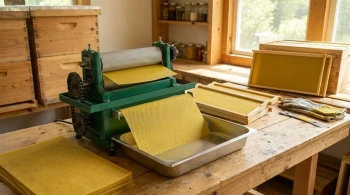
How to Choose the Right Beehive Foundation for Your Beekeeping Goals
Learn how to choose the best beehive foundation for honey yield, sustainability, or cost-efficiency. Compare beeswax, plastic, and hybrid options.
Read more
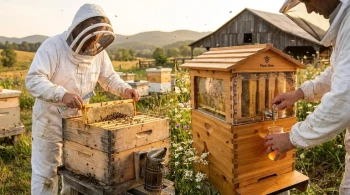
Flow Hive vs. Langstroth: Choosing the Right Hive for Your Beekeeping Goals
Compare Flow Hive vs. Langstroth beehives: efficiency, cost, and maintenance differences to choose the best system for your beekeeping goals.
Read more
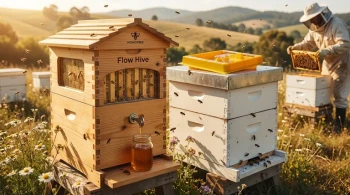
Flow vs. Langstroth Hives: Balancing Bee Welfare, Cost, and Productivity
Compare Flow vs. Langstroth hives for bee welfare, cost, and productivity. Choose the best beekeeping system for your needs.
Read more
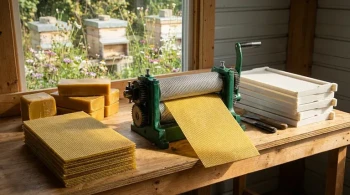
Beeswax vs. Plastic Foundations: Choosing the Sustainable Option for Thriving Apiaries
Compare beeswax vs. plastic hive foundations for colony health, sustainability, and cost efficiency in beekeeping. Make the right choice for your apiary.
Read more
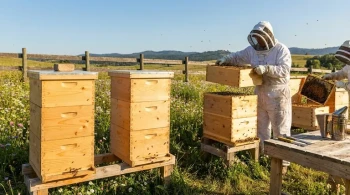
How to Choose Langstroth Hive Box Sizes for Ergonomics, Efficiency, and Bee Health
Learn how to choose Langstroth hive box sizes for ergonomics, efficiency, and bee health. Compare deep, medium, and shallow boxes for optimal beekeeping.
Read more
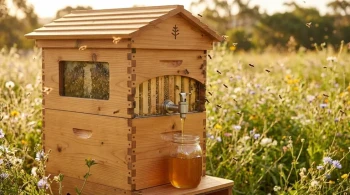
How Flow Hives Revolutionize Honey Harvesting: Saving Time and Protecting Bees
Flow Hives revolutionize honey harvesting with 80% less labor, intact combs, and faster recovery—ideal for commercial beekeepers.
Read more
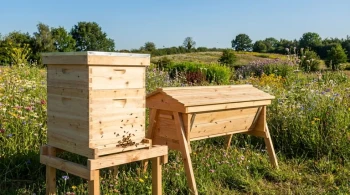
How to Choose Between Langstroth and Top Bar Hives for Your Beekeeping Goals
Compare Langstroth vs. Top Bar beehives for honey production, sustainability & ease of use. Choose the best hive for your beekeeping goals.
Read more
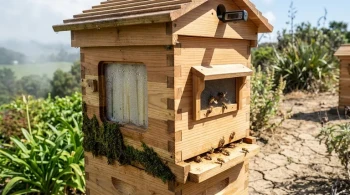
How to Optimize Flow Hive Ventilation for Healthier Colonies in Any Climate
Optimize Flow Hive ventilation for healthier bees in any climate. Learn climate-specific techniques to boost honey production and colony health.
Read more
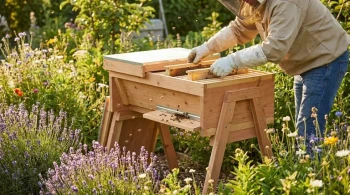
How Top Bar Hives Naturally Boost Bee Health and Simplify Beekeeping
Top bar hives promote natural bee health with comb freedom, thermal efficiency & sustainable harvesting. Ideal for low-maintenance backyard beekeeping.
Read more
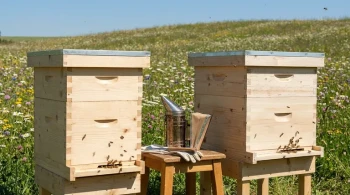
How to Choose Between 8-Frame and 10-Frame Langstroth Boxes for Optimal Beekeeping
Compare 8-frame vs. 10-frame Langstroth boxes for beekeeping: weight, yield, and urban vs. commercial needs. Optimize your hive setup.
Read more
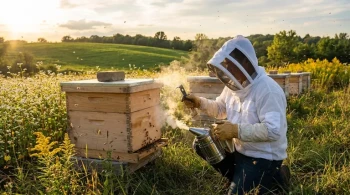
How to Choose Beekeeping Tools: A Practical Guide for Every Budget and Climate
Learn how to choose the best beekeeping tools for your budget and climate, from protective gear to hive management essentials.
Read more
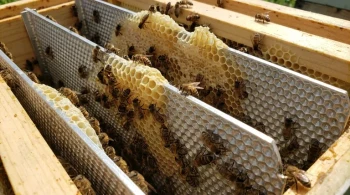
How Precision-Textured Aluminium Castings Boost Hive Productivity by Mimicking Nature
Precision-textured aluminium castings mimic bee cell geometry, boosting hive productivity by 15-25% with durable, energy-efficient foundations.
Read more
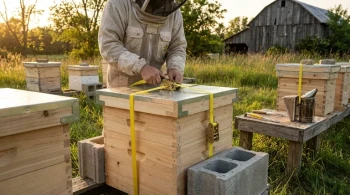
How to Strengthen Langstroth Hive Roofs Against Storms Without Compromising Functionality
Learn how to reinforce Langstroth hive roofs for storm protection while maintaining ventilation and moisture control for colony health.
Read more
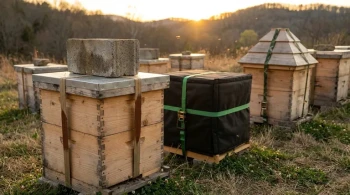
How to Secure Beehive Covers: Weatherproof Strategies for Every Hive Type
Learn weatherproof strategies to secure beehive covers for all hive types, ensuring colony protection from predators and harsh elements.
Read more
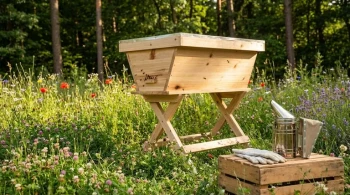
How Top Bar Hives Simplify Natural Beekeeping for Hobbyists
Top bar hives simplify natural beekeeping for hobbyists with cost-efficiency, healthier colonies, and low-maintenance care.
Read more
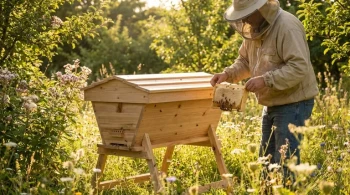
How Top Bar Beehives Naturally Reduce Pest Risks and Simplify Beekeeping
Discover how Top Bar Hives naturally reduce pests, simplify beekeeping, and promote hive health with sustainable, low-maintenance designs.
Read more
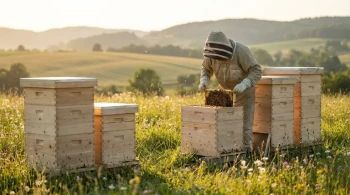
How Langstroth Hives Solve Universal Beekeeping Challenges Through Smart Design
Discover how Langstroth hives' smart design solves beekeeping challenges with standardized, adaptable components for urban and commercial beekeepers.
Read more
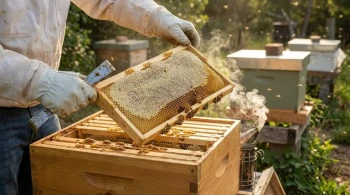
How to Prolong Flow Hive Lifespan: A Beekeeper’s Guide to Smart Frame Maintenance
Learn expert tips to extend your Flow Hive lifespan with smart frame maintenance, seasonal checks, and cost-effective repairs for beekeepers.
Read more
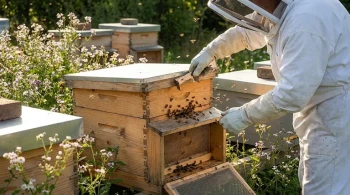
How to Optimize Beehive Ventilation: Prevent Disease and Boost Colony Health
Learn science-backed beehive ventilation strategies to prevent disease, boost colony health, and optimize honey production in all seasons.
Read more
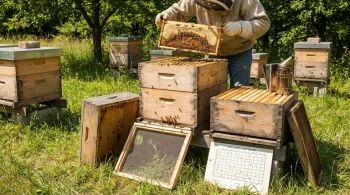
How the Langstroth Hive Solves Modern Beekeeping’s Biggest Challenges
Discover how the Langstroth hive tackles modern beekeeping challenges with pest control, efficiency, and high honey yields.
Read more