Aggressive hives can be managed more safely by separating defensive field bees from the main colony before inspection. In the early evening, fit the entrance with a correctly sized foam or sponge strip, relocate the sealed hive 10 to 15 meters away, and place a modular dummy hive on the original stand to receive returning foragers. After the setup settles overnight, inspect the main colony with fewer defensive field bees present, then requeen both the main colony and the queenless foragers with gentle genetic stock.
The essential principle is to use entrance control and modular hive equipment to redistribute the colony’s defensive population before opening it. This reduces sting risk while creating an opportunity to replace aggressive genetics and standardize safer apiary management.
Why Aggressive Hives Require a Structured Method
Defensive behavior creates an operational risk
Aggressive colonies increase the likelihood of repeated stings, disrupted inspections, worker downtime, and inconsistent handling. The risk is especially significant for commercial operators managing multiple apiaries or using rotating field teams.
The objective is population separation
The procedure does not attempt to overpower the colony. It temporarily separates the relocated main colony from field bees that return to the original hive position, reducing the number of highly defensive foragers present during inspection.
Genetics are part of the long-term solution
Reducing defensive field bees provides short-term handling relief, but it does not remove the underlying source of aggressive behavior. Replacing the old queen and introducing a caged queen or queen cell from gentle stock addresses the colony’s longer-term temperament.
How to Use Entrance Seals and Modular Components
Prepare equipment before approaching the hive
Have the entrance strip, transport materials, PPE, smoker, hive tool, and modular components ready before beginning. The dummy hive should include a floor, hive body, frames containing honey and pollen, and a cover.
Seal the entrance in the early evening
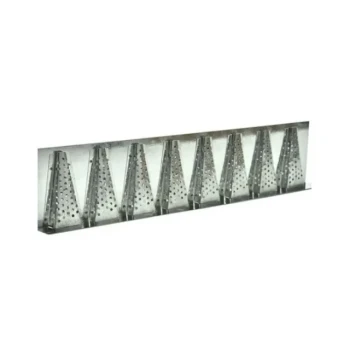
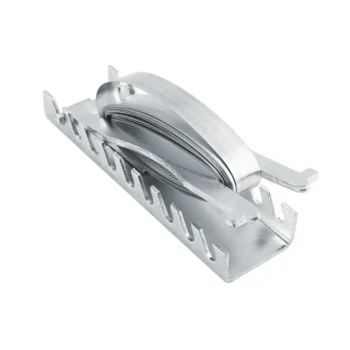
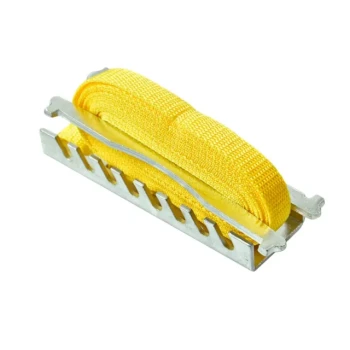
Fit a pre-sized foam or sponge entrance strip when flying activity has declined in the early evening. The strip must be properly fitted and handled with attention to ventilation; a sealed hive should not be left in conditions that could cause overheating or suffocation.
Relocate the main colony
Move the sealed hive approximately 10 to 15 meters from its original stand. Keep the hive stable and minimize unnecessary disturbance during the move.
Build the dummy hive on the original stand
Assemble the floor, hive body, honey and pollen frames, and cover at the original location. Returning foragers orient to the familiar stand and enter this temporary structure when they return from the field.
Allow the setup to settle overnight
Leaving the arrangement overnight allows defensive field bees to aggregate in the dummy hive. The main colony, now away from the original flight location, can subsequently be approached with a lower stinging risk than before the separation.
How to Inspect the Main Colony Safely
Use complete protective equipment
Technicians should wear a bee-proof ventilated suit or jacket with an integrated veil and suitable protective gloves. PPE is a control measure, not a substitute for reducing the colony’s defensive population.
Use smoke deliberately
A functional smoker with suitable fuel can help calm bees during the inspection. Apply smoke in a controlled manner and maintain enough fuel for the entire task.
Separate propolis-bound components carefully
Use a heavy-duty hive tool to separate hive bodies and frames sealed with propolis. Tap the curved end with the butt of the hand rather than forcing it with thumb pressure, which can slip and cause injury.
Keep the tool movement away from the body
When scraping wax or propolis from wooden parts, scrape away from the body. A belt sheath with an unstitched bottom keeps the tool accessible while allowing debris to fall out instead of accumulating inside the pouch.
Replace the aggressive queen
Once the main colony can be inspected, remove the old queen and introduce a caged queen or queen cell from gentle genetic stock. Follow the supplier’s handling and introduction requirements for the selected queen or cell.
How to Manage the Dummy Hive
Recognize that the foragers are queenless
The returning defensive field bees collected in the dummy hive are separated from the main colony and should be treated as a queenless group. They still require a planned queen-management decision.
Requeen the forager group
The primary method recommends requeening both the main colony and the queenless foragers. Introducing gentle genetics to both groups supports consistent temperament across the apiary rather than improving only the relocated colony.
Monitor both units after intervention
Check colony condition, queen acceptance, food reserves, and population development during follow-up inspections. External indicators such as flight activity, pollen-carrying foragers, dead or crawling bees, flight temperament, and approximate hive weight can help identify decline before a full inspection is required.
Standardize the process for field teams
Commercial operators should document the equipment required, timing, relocation distance, queen source, and follow-up checks. A repeatable procedure improves worker safety and makes it easier to source consistent entrance components, hive bodies, frames, protective equipment, and tools through one supply channel.
Preventing Robbing During and After Handling
Narrow entrances when colonies are vulnerable
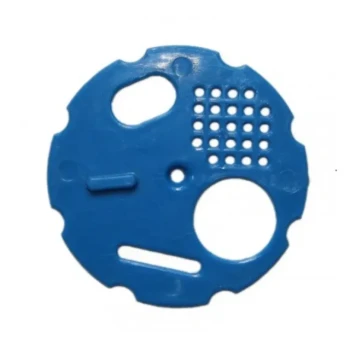
Aggressive or recently divided colonies may be vulnerable to robbing, especially during nectar dearths. Use an adjustable entrance block or U-shaped entrance tunnel to reduce the opening to a single bee-way passage, allowing guard bees to defend it more effectively.
Keep hive bodies bee-proof
Maintain tightly constructed hive bodies without structural cracks or gaps. Weaknesses in the hive can provide robbers with additional access points that entrance control cannot fully compensate for.
Feed internally and late in the day
When syrup is necessary, use an internal in-hive feeder during late evening hours. Avoid external spills, which can attract robber bees and trigger conflict between colonies.
Maintain ventilation during temporary closure
If an entrance must be secured during an active robbing event, use a wire entrance guard or screen mesh where appropriate. Any temporary closure must preserve adequate ventilation and must be monitored to prevent overheating or suffocation.
Understanding the Trade-offs
The method reduces risk but does not eliminate it
Even after field bees are redistributed, the main colony may remain defensive. Operators must continue using PPE, a smoker, competent handling practices, and a clear retreat plan.
Entrance seals require correct sizing and timing
An undersized or poorly fitted strip may fail to contain the bees. An overly restrictive seal or inadequate ventilation can create a separate colony-health risk, particularly if the hive is exposed to heat or remains closed too long.
Relocation can disrupt normal orientation
Moving a hive changes its position relative to returning bees. The dummy hive is used to collect foragers at the original stand, but the main colony and temporary unit still require careful observation after the operation.
Requeening is not an instant correction
Gentle genetics can improve future colony temperament, but existing adult workers were produced under the previous queen. Behavioral improvement therefore requires time and continued monitoring as the colony population changes.
Modular equipment must be compatible
The floor, hive body, frames, cover, entrance block, and entrance seal need to fit together securely. Distributors and operators should verify dimensions and compatibility before deploying components across multiple apiaries.
Making the Right Choice for Your Goal
The safest implementation combines the handling procedure with dependable equipment and a documented operating standard.
- If your primary focus is worker safety: Use early-evening entrance control, complete PPE, a functional smoker, and a preassembled dummy hive to reduce defensive bee exposure before inspection.
- If your primary focus is long-term temperament: Remove the old queen and requeen both the main colony and the queenless forager group with gentle genetic stock.
- If your primary focus is robbing prevention: Use bee-proof hive bodies, narrow entrances with compatible reducers or tunnels, and internal late-evening feeders.
- If your primary focus is commercial efficiency: Source compatible modular hive components, entrance-control products, PPE, and durable hive tools through a reliable supplier with responsive fulfillment and technical support.
With disciplined entrance management, compatible modular equipment, and deliberate requeening, operators can make aggressive colonies safer to inspect and more predictable to manage.
Summary Table:
| Aspect | Method | Key Benefits |
|---|---|---|
| Worker Safety | Use entrance seals, PPE, smoke, and dummy hive | Reduces stinging risk during inspections |
| Genetics | Requeen both main colony and foragers | Improves long-term temperament |
| Robbing Prevention | Narrow entrances, feed internally, maintain bee-proof equipment | Prevents robbing and colony conflict |
| Commercial Efficiency | Standardize procedures with modular equipment | Enhances reliability and worker productivity |
Equip your apiary with reliable entrance seals and modular hive components from HONESTBEE. Our comprehensive wholesale solutions ensure safe, efficient hive management. Contact us today to learn more about our beekeeping tools and equipment, and how we support distributors, wholesalers, and beekeepers with rapid delivery and expert service. Get in touch now!
Related Products
- Multi-Functional Rotary Hive Entrance Disc for Beekeeping
- Professional Reversible Beehive Hive Entrance
- Beehive Entrance Reducer Guardian Metal Hive Entrance for Bees
- Beehive Entrance Discs Plastic Bee Entrance Disc for Bee Hives
- Multi-Functional Sliding Hive Entrance for Beekeeping
People Also Ask
- What are the main features of the steel top entrance disc for hives? Master Hive Access Control
- What is the purpose of the steel entrance disc? Master Hive Traffic Control & Security
- What role does the size of the entrance play in hive ventilation? Master Beehive Climate Control
- What roles does the hive entrance (piquera) play in beehive management and colony health? Essential Guide for Pro Apiaries
- Where is the hive entrance typically located? Optimize Your Hive's Health and Honey Production