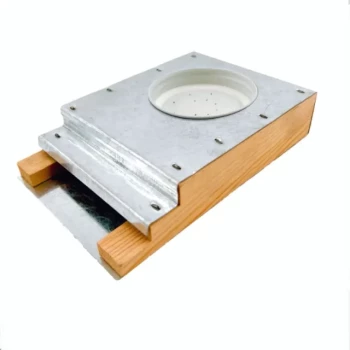
Preventing honey bees from drowning in syrup feeders requires a combination of physical safety barriers and proper syrup consistency. The most effective approach is to use feeders equipped with textured surfaces, galvanized steel safety screens, or cap and ladder systems that provide bees with secure footing while they feed.
Effective drowning prevention relies on restricting access to the main volume of liquid using physical barriers and maintaining a syrup viscosity that allows for easy escape. Neglecting these measures leads to bee mortality and rapid spoilage of the feed.
Selecting the Right Feeder Equipment
To solve the deep need of colony preservation, you must focus on the mechanical design of your feeding hardware.
Implementing Safety Screens
One of the most reliable methods for prevention is the use of galvanized steel safety screens.
These screens act as a physical barrier, allowing bees to access the syrup through the mesh without being able to submerge themselves. This separates the bees from the bulk of the liquid volume.
Utilizing Cap and Ladder Systems
Advanced feeders often incorporate a cap and ladder system.
This design restricts bee access to a specific, controlled area. The "ladder" provides a structured path for the bees to climb down to the liquid and, crucially, climb back out safely.
Ensuring Surface Grip
Bees struggle to navigate smooth, slick surfaces, especially when their legs are coated in sticky syrup.
Ensure your feeders have textured interior surfaces. This roughened texture gives the bees the necessary traction to pull themselves away from the syrup's surface tension.
Optimizing Syrup Composition
Beyond hardware, the physical properties of the food source play a significant role in bee safety.
The Benefit of Lower Viscosity
Using a 1:1 sugar-to-water ratio is highly effective for open feeding.
This concentration has a lower viscosity (thickness) compared to heavy syrups. The thinner consistency reduces the "quicksand" effect, making it significantly less likely that bees will become trapped and drown.
The Hidden Costs of Neglect
It is critical to understand that drowning is not just an issue of individual bee loss; it threatens the utility of the entire feeder.
Accelerated Fermentation
When bees drown, their decomposing bodies alter the chemistry of the syrup.
This organic matter accelerates the fermentation process. Fermented syrup becomes toxic or unpalatable to the hive, turning a resource into a hazard.
Rejection of Food Sources
Regular monitoring is essential because of the chain reaction caused by drowning.
If fermentation occurs due to drowned bees, the remaining colony will likely ignore the food source entirely. This defeats the purpose of feeding and wastes resources.
Making the Right Choice for Your Goal
To implement these strategies effectively, assess your current setup and adjust based on these priorities:
- If your primary focus is Hardware Safety: Retrofit or purchase feeders that feature galvanized screens or textured ladders to guarantee bees have a safe exit route.
- If your primary focus is Syrup Preparation: Mix a 1:1 sugar-to-water ratio to ensure the liquid is thin enough for bees to navigate safely without getting stuck.
By combining proper traction with the right syrup consistency, you ensure your colony remains fed, healthy, and safe.
Summary Table:
| Prevention Method | Key Component | Primary Benefit |
|---|---|---|
| Hardware Design | Galvanized Steel Screens | Restricts access to liquid bulk and provides a secure grip. |
| Feeder Type | Cap and Ladder System | Creates a controlled feeding area with a safe exit route. |
| Surface Texture | Roughened Interior | Increases traction to help bees overcome surface tension. |
| Syrup Viscosity | 1:1 Sugar-to-Water Ratio | Thinner consistency allows bees to escape more easily. |
Maximize Your Colony's Survival with Professional-Grade Equipment
At HONESTBEE, we understand that every bee matters to your commercial success. Whether you are a large-scale commercial apiary or a regional distributor, our comprehensive wholesale offering is designed to solve your toughest beekeeping challenges.
We provide high-quality beekeeping tools, machinery, and safety-focused feeders engineered to prevent loss and ensure efficiency. From specialized honey-filling machines to hive-making hardware and essential industry consumables, our portfolio supports every stage of your production.
Ready to upgrade your apiary’s efficiency? Contact us today to learn how our tailored wholesale solutions can enhance your operations and protect your yield.
Related Products
- HONESTBEE Round Hive Top Bee Feeder for Syrup
- HONESTBEE Entrance Bee Feeder Efficient Hive Front Liquid Feeding Solution for Beekeeping
- Automated Rotary Bottle Unscrambler for Honey Production Line
- Professional Hive Top Bee Feeder for Beekeeping
- HONESTBEE Professional Hive Top Bee Feeder Feeding Solution
People Also Ask
- What can the round hive top feeder be used for? A Guide to Efficient, Safe Bee Feeding
- What types of hive boxes is the round hive top feeder compatible with? Universal Fit for 8 & 10-Frame Langstroth Hives
- What is the capacity of the round hive top feeder for syrup and pollen? A Guide to Targeted Apiary Support
- What types of feed can be used with the round hive top feeder? Versatile Feeding for Optimal Apiary Health
- How do you use a top feeder for bees? Expert Guide to Installation and High-Volume Hive Feeding