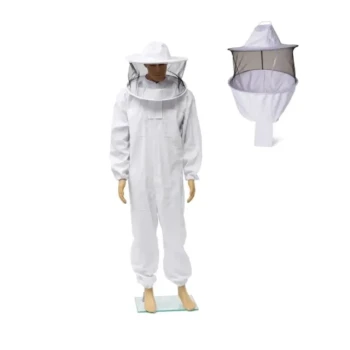
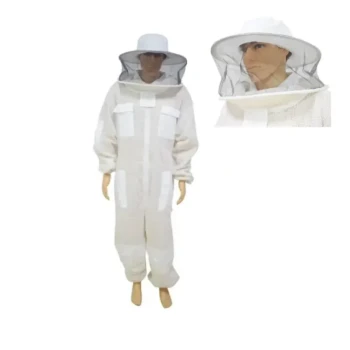
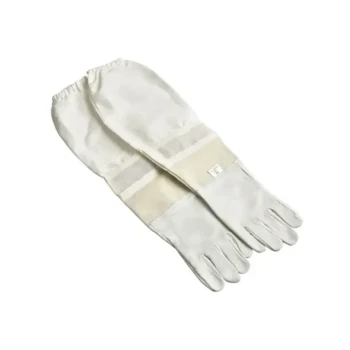
Standard industrial coveralls can be converted into beekeeping suits by sewing heavy-duty elastic around the wrists and neck opening to create a bee-tight seal. To be effective, the base garment must be light-colored—ideally white—to minimize defensive behavior from the bees and constructed from a fabric thick enough to prevent stingers from reaching the skin.
For distributors and wholesalers, the ability to pivot standard industrial PPE into specialized agricultural gear hinges on sourcing high-GSM, light-colored coveralls that allow for easy structural modification. Partnering with a supplier that offers deep industry expertise ensures these technical requirements are met without compromising on rapid delivery or order fulfillment.
Essential Structural Modifications for Safety
Securing the Wrist and Neck Seals
The most critical modification is the addition of elastic at all potential entry points. By sewing elastic bands into the cuffs and the collar, you eliminate gaps where bees could crawl inside the garment during hive inspections.
The Importance of a Loose-Fitting Silhouette
Standard industrial coveralls should be sourced one to two sizes larger than typical workwear. A loose fit provides a critical buffer of air between the fabric and the wearer’s skin, serving as a secondary line of defense if a stinger manages to penetrate the material.
Material and Color Specifications
Color Choice as a Defensive Deterrent
Beekeeping applications require white or very light-colored fabrics because bees instinctively react more aggressively to dark, "predatory" colors. Choosing white industrial coveralls as your base stock reduces the likelihood of bee attacks, enhancing the safety profile for the end-user.
Fabric Thickness and Sting Protection
Not all industrial fabrics are suitable for apiary use. You must prioritize heavyweight textiles that provide enough density to stop a stinger while remaining flexible enough for the physical labor involved in hive management.
Understanding the Trade-offs and Risks
Breathability vs. Absolute Protection
The primary trade-off in modifying thick industrial coveralls is heat retention. While heavier fabrics offer superior protection, they can lead to heat exhaustion in warm climates; B2B resellers should consider this when balancing their inventory between heavy canvas and lighter, breathable blends.
Durability of After-Market Modifications
Modifying a standard garment provides a cost-effective solution, but the integrity of the elastic seals must be checked frequently. Unlike purpose-built bee suits, modified industrial gear may require more frequent maintenance at the seams and openings to ensure continued "bee-tight" performance.
Scaling Your Sourcing Strategy
As a professional distributor, your goal is to provide versatile solutions that maximize your profit potential while meeting specific safety standards. Choosing a sourcing partner with a comprehensive full-spectrum portfolio allows you to acquire the correct base garments with the speed and reliability your clients demand.
- If your primary focus is rapid market entry: Source pre-existing white industrial coveralls in bulk to offer a cost-effective, modifiable base for agricultural clients.
- If your primary focus is high-tier safety margins: Prioritize sourcing extra-thick canvas coveralls that exceed standard PPE density requirements to ensure maximum sting resistance.
- If your primary focus is supply chain efficiency: Utilize a one-stop trading partner who can provide rapid response times and exceptional service to ensure your inventory remains consistent during peak beekeeping seasons.
Expertly sourced industrial garments provide the perfect foundation for specialized protective gear when selected with precision and industry-leading expertise.
Summary Table:
| Modification Feature | Requirement for Beekeeping | Safety & Functional Purpose |
|---|---|---|
| Entry Points | Heavy-duty elastic at wrists and neck | Creates a bee-tight seal to prevent entry |
| Color Choice | Pure white or very light colors | Minimizes defensive and aggressive bee behavior |
| Sizing/Fit | 1-2 sizes larger than standard | Provides a critical air buffer against stings |
| Fabric Weight | High-GSM, heavyweight textiles | Ensures material density to block stinger penetration |
| Maintenance | Frequent seam and seal inspections | Maintains long-term integrity of after-market mods |
Scale Your Apiary Supply Business with HONESTBEE
As a dedicated partner to commercial apiaries and distributors, HONESTBEE provides the comprehensive, one-stop sourcing you need to dominate the market. Our full-spectrum portfolio covers everything from high-GSM protective gear and hive-making machinery to advanced honey-filling systems and industry consumables.
Why B2B Partners Choose HONESTBEE:
- Deep Industry Expertise: We supply technically superior tools designed for professional safety and efficiency.
- Rapid Order Fulfillment: Benefit from our ultra-fast delivery and rapid response times to keep your inventory moving.
- Premium Trading Services: Exceptional customer service with support for OEM/ODM requirements and certifications to protect your margins.
Ready to enhance your product lineup with reliable, professional-grade beekeeping equipment? Contact our expert team today and let HONESTBEE streamline your supply chain.
Related Products
- Inner Beehive Cover for Beekeeping Bee Hive Inner Cover
- Vented Beekeeping Jacket with Hood and Veil for Beekeepers
- Beekeeping Jacket with Hood and Veil for Beekeepers
- Rigid Pith Style Beekeeper Hat for Square Folding Veils
- Professional Square Folding Wire Mesh Beekeeping Veil
People Also Ask
- What is the purpose of the inner cover in a beehive? A Key to Hive Health & Easy Management
- What is the function and placement of an inner cover in a beehive? Essential Hive Management Guide
- What is the purpose of the inner and outer covers in a beehive? Essential for Hive Health & Management
- What is a beehive's inner cover and how is it used? Essential Guide for Hive Insulation and Ventilation
- What are the functions of the inner and outer covers on a beehive? Essential Guide for Hive Protection and Management