High-power microscopes act as the primary defense line for maintaining the integrity and safety of commercial honey. They contribute to quality assurance in two specific ways: safeguarding chemical purity by enabling precise disease management and verifying market value by authenticating the honey’s botanical and geographical origins.
Core Takeaway Microscopy in apiculture is not just about observing bees; it is a critical control point for food safety and fraud prevention. By accurately diagnosing colony health, producers avoid the misuse of antibiotics that leads to illegal residues, while pollen analysis provides the forensic evidence needed to confirm a product's grade and origin.
Ensuring Chemical Purity Through Disease Monitoring
The most direct impact of microscopy on honey quality is the prevention of chemical contamination. This process begins at the hive level, long before extraction occurs.
Accurate Pathogen Identification
High-power microscopes allow apiarists to identify specific infections that are invisible to the naked eye. This includes diagnosing conditions such as Nosemosis, American Foulbrood, or infestations by Varroa mites.
Precision Treatment vs. Blind Medication
Without microscopic evidence, beekeepers may resort to prophylactic or "blind" treatment of colonies. Microscopic diagnosis enables a scientific, targeted application of treatments only when necessary.
Preventing Antibiotic Residues
The misuse of drugs due to poor diagnosis is a leading cause of antibiotic residues in commercial honey. By ensuring treatments are timely and specific, microscopy drastically reduces the risk of these residues appearing in the final product.
Verifying Authenticity via Pollen Analysis
Beyond health safety, high-precision compound microscopes are the industry standard for determining the commercial value and authenticity of the honey itself.
Visualizing Microscopic Structures
To determine honey grade, analysts must observe the ultra-microscopic structures of pollen grains suspended in the honey. High-precision instruments provide the necessary magnification and resolution to view specific pollen shapes and exine (outer shell) patterns.
Digital Integration and Database Comparison
Modern industrial-grade microscopes are often paired with digital imaging systems. These systems capture detailed images which are then cross-referenced against standard botanical databases.
Confirming Geography and Flora
This qualitative analysis confirms the floral source (e.g., Manuka vs. Clover) and the geographical origin of the honey. This is the technical foundation for certification, ensuring the product matches the label claims regarding quality and sourcing.
Understanding the Trade-offs
While microscopy is invaluable, it relies heavily on human expertise and sampling protocols.
The Skill Barrier
Owning a high-power microscope is not enough; the operator requires specialized training in insect pathology or melissopalynology (the study of pollen). Misinterpreting visual data can lead to the same errors the equipment is meant to prevent.
Sampling Limitations
Microscopy is inherently a destructive test performed on a tiny sample size. If the sampling method is not statistically robust, the results may not accurately reflect the health of a massive apiary or the composition of a large blending tank.
Making the Right Choice for Your Goal
To leverage microscopy effectively in your quality assurance process, align the technology with your specific objectives.
- If your primary focus is Food Safety and Compliance: Prioritize microscopy for colony health monitoring to eliminate the root cause of antibiotic residues before the honey is even harvested.
- If your primary focus is Brand Value and Premium Pricing: Invest in high-precision compound microscopes with digital imaging to generate certificates of authenticity regarding floral and geographical origins.
- If your primary focus is Supply Chain Validation: Use pollen analysis as a random-check mechanism to audit suppliers and ensure incoming raw materials match their declared grade.
True quality assurance in apiculture bridges the gap between biological health in the field and forensic analysis in the lab.
Summary Table:
| Quality Metric | Microscopic Role | Key Benefit |
|---|---|---|
| Chemical Purity | Identification of Nosemosis & Foulbrood | Prevents antibiotic residue through targeted treatment |
| Authenticity | Melissopalynology (Pollen Analysis) | Confirms botanical and geographical origin |
| Market Value | High-precision digital imaging | Provides forensic evidence for premium honey grading |
| Supply Chain | Random-check auditing | Validates supplier claims and ensures raw material quality |
Elevate Your Honey Quality with HONESTBEE
For commercial apiaries and honey distributors, maintaining the highest standards is non-negotiable. At HONESTBEE, we support your pursuit of excellence by providing a comprehensive wholesale range of beekeeping tools, machinery, and essential industry consumables. From specialized hardware like hive-making and honey-filling machines to the advanced equipment needed to safeguard your product's integrity, we deliver the solutions you need to thrive.
Ready to scale your production and ensure premium quality? Contact our experts today to discover how our tailored equipment and industrial-grade supplies can strengthen your business.
References
- Nadezhda Lunyova, Olga Dutova. Honey Quality and Safety Control in The Altai Territory. DOI: 10.1051/bioconf/20213700108
This article is also based on technical information from HonestBee Knowledge Base .
Related Products
- Styrofoam Mini Mating Nuc Box with Frames Feeder Styrofoam Bee Hives 3 Frame Nuc Box
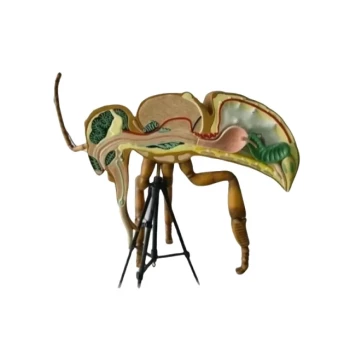
- HONESTBEE Anatomy Bee Model Detailed Anatomical Display for Education and Study
- Precision Stainless Steel Frame Cleaner for Hive Grooves and Corners
- HONESTBEE Professional Telescopic Pole Bee Swarm Catcher
- HONESTBEE Adjustable Voltage Wire Embedder with Digital Display
People Also Ask
- How are nuc boxes used in queen rearing? The Essential Tool for Reliable Queen Mating
- What is the primary advantage of mini mating nucs? Maximize Queen Production with Minimal Bee Resources
- What are the common sizes and material types of nuc boxes? Choose the Best Housing for Your Colonies
- How should a beekeeper relocate a new colony in a nuc box? Master the 5-5 Rule for Success
- What are the common sizes and types of nuc boxes? A Guide to the Perfect Fit for Your Apiary