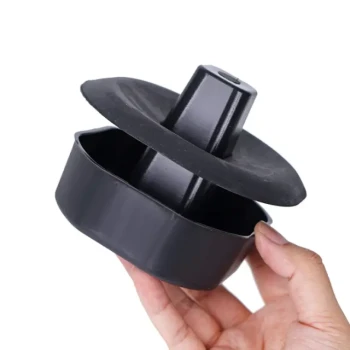
Industrial-grade metal ant plates function as a high-friction barrier. By utilizing a specifically engineered smooth surface and distinct alloy properties, these plates make it physically impossible for predatory ants to gain traction. This mechanical defense effectively severs the path between the ground and the hive, preventing ants from invading the colony to feast on larvae and honey stores.
Core Takeaway This solution relies on surface physics rather than chemical deterrents to protect the colony. By denying ants the grip required to climb, the plates serve as a passive, "always-on" physical firewall that secures the hive environment without requiring constant re-application of barriers.
The Mechanics of Exclusion
The Surface Barrier
The primary defense mechanism is the texture of the industrial-grade metal. The surface is manufactured to be microscopicially smooth.
Because ants rely on small claws or adhesive pads to climb vertical or inverted surfaces, this smoothness denies them the necessary purchase. Without traction, they simply cannot ascend past the plate.
Alloy Properties
Beyond smoothness, the specific properties of the metal alloy contribute to this defense.
These industrial-grade materials are selected to resist weathering that might otherwise create rough spots over time. This ensures the "slip zone" remains effective even after exposure to the elements.
Protecting Critical Resources
The ultimate goal of this barrier is to protect the colony's most vulnerable assets.
Ants are driven to enter hives specifically to prey on bee larvae and steal honey. By stopping the climb at the stand level, the plates prevent the loss of future brood and the colony's winter food reserves.
The Role of the Hive Stand
Elevation as a Force Multiplier
Ant plates are most effective when integrated with a proper hive stand.
By elevating the hive, the stand creates a "choke point" where the ant plates can be installed. This forces all crawling predators to attempt to cross the metal barrier, leaving them no alternative route to the entrance.
Defense Against Larger Predators
While plates handle insects, the stand itself addresses larger threats.
Raising the hive prevents small mammals, such as skunks, from easily reaching the hive entrance. This elevation ensures that while the metal plates stop the ants, the height stops animals that would otherwise scratch at the entrance to eat the defensive guard bees.
Understanding the Trade-offs
Passive vs. Active Defense
While metal plates are excellent passive barriers, they rely entirely on the physical state of the metal.
If the plates become coated in debris, mud, or vegetation bridges, the smooth surface is compromised, and ants may find a way across. They require less maintenance than oil traps, but they are not "zero maintenance."
Specificity of the Threat
It is important to note that this is a ground-based defense system.
These plates specifically target crawling predators like ants. They offer no protection against airborne threats or pests that may be introduced into the hive on equipment or by the beekeeper.
Making the Right Choice for Your Goal
To ensure your colony is fully protected, consider how this equipment aligns with your specific environmental risks.
- If your primary focus is minimizing maintenance: Choose metal plates for their passive, durable defense that does not require the regular refilling associated with oil or water moats.
- If your primary focus is comprehensive predator management: Combine metal plates with a significantly elevated stand to simultaneously block ants and deter skunks or raccoons.
Effective colony defense is not about a single tool, but about layering physical barriers to exclude predators before they reach the comb.
Summary Table:
| Feature | Mechanical Defense Mechanism | Benefit to Colony |
|---|---|---|
| Surface Texture | Microscopically smooth "slip zone" | Denies ants the traction needed to climb hive stands. |
| Alloy Properties | Weather-resistant industrial metal | Ensures long-term effectiveness without surface degradation. |
| Passive Defense | Always-on physical barrier | Eliminates the need for chemical deterrents or oil refills. |
| Strategic Height | Integrated with hive stands | Creates a choke point that blocks both ants and small mammals. |
Secure Your Apiary with HONESTBEE Professional Equipment
Protecting your commercial honey production starts with robust, industrial-grade hardware. HONESTBEE specializes in supporting commercial apiaries and distributors with a complete range of professional beekeeping tools, from precision honey-filling machinery to advanced hive-making equipment.
Our heavy-duty ant plates and hive stands are designed to minimize maintenance and maximize colony survival. Whether you are scaling your operation or sourcing premium supplies for distribution, we provide the wholesale expertise and essential industry consumables you need to succeed.
Ready to upgrade your colony defense?
Contact us today to discuss your wholesale needs
References
- Enrique Rodríguez Balam, Miguel Pinkus Rendón. Apicultura, entorno y modernidad en localidades de Yucatán, México. DOI: 10.5007/2175-7925.2015v28n3p143
This article is also based on technical information from HonestBee Knowledge Base .
Related Products
- Metal Hive Feet Bee Hive Stand for Ant Protection
- Professional Ant-Proof Beehive Stand with Integrated Moat for Beekeeping
- HONESTBEE 4-Way Metal Corner Wooden Bee Escape Board
- Minimalist Stainless Steel Honeycomb Display Stand
People Also Ask
- What are the benefits of elevating a bee hive with a stand or base? Protect Your Colony and Your Back
- How does a beehive stand protect against predators and pests? Essential Strategies for Colony Security
- How should the height of a beehive stand be determined? Find Your Ergonomic Sweet Spot
- What to stand a beehive on? The Best Foundation for a Healthy, Manageable Apiary
- How tall should a beehive stand be? Achieve Optimal Hive Health & Beekeeper Comfort