Industrial-grade ultraviolet (UV) radiation lamps act as a critical, non-chemical defense line in beekeeping facilities. By emitting high-intensity light within a specific wavelength range, these devices actively sanitize air and surfaces to destroy pathogens without introducing contaminants into the sensitive apiary environment.
Core Takeaway: Industrial UV lamps utilize a specific "germicidal" wavelength peak at 265 nm to physically destroy the DNA structure of pathogens. This offers a residue-free disinfection method, essential for preventing cross-infection in environments where chemical agents are risky or unsuitable.
The Mechanism of UV Disinfection
Targeting the Biological Core
The primary function of these industrial lamps is to deliver a germicidal effect at the molecular level. Unlike cleaning agents that wash away bacteria, UV radiation penetrates the microorganism and targets its fundamental biology.
Destroying Pathogen DNA
The radiation specifically attacks the DNA structure of bacteria, viruses, and other pathogens. By disrupting these genetic bonds, the lamps effectively neutralize the microorganisms, rendering them unable to reproduce or cause infection.
The Importance of Precision Wavelengths
Not all UV light is effective for sanitation. Industrial-grade lamps are calibrated to emit radiation specifically between 253 and 280 nm.
The Peak of Effectiveness
Within this range, the lamps are optimized to hit a peak wavelength of 265 nm. This specific frequency is the most efficient at maximizing DNA absorption and destruction, ensuring rapid disinfection.
Operational Advantages in Beekeeping
A Residue-Free Solution
In beekeeping, the introduction of foreign substances is a major concern. Chemical disinfectants can leave residues that may contaminate honey, wax, or irritate the bees themselves.
Replacing Unsuitable Chemicals
UV lamps provide a physical sanitation method that leaves zero chemical residue. This makes them the ideal choice for environments where standard chemical disinfectants are deemed unsuitable or unsafe for the product.
Comprehensive Pathogen Control
These lamps are capable of disinfecting both the air and surfaces within the facility. This dual-action capability is vital for preventing cross-infection, ensuring that diseases are not transmitted between equipment or hives during processing.
Understanding the Scope of Application
Disinfection vs. Cleaning
It is important to distinguish that UV radiation is a method of disinfection, not physical cleaning. While it destroys the DNA of pathogens, it does not remove physical debris or dirt.
Requirement for Direct Exposure
The germicidal effect relies on the radiation reaching the pathogen. Shadowed areas or surfaces covered in heavy debris may not receive the necessary dosage to ensure the DNA structure is fully destroyed.
Applying This Technology to Your Facility
When selecting sanitation equipment for an apiary or processing plant, the goal is to balance hygiene with product purity.
- If your primary focus is product purity: Utilize UV lamps to ensure equipment is sanitized without the risk of chemical residues leaching into honey or wax.
- If your primary focus is disease management: Deploy these lamps to disinfect air and surfaces in high-traffic areas to effectively break the chain of cross-infection.
- If your primary focus is equipment selection: specificy lamps that peak at 265 nm to ensure maximum germicidal efficiency against resistant pathogens.
By leveraging the precise biology-disrupting power of UV light, you can maintain a sterile environment that protects both your bees and the integrity of your final product.
Summary Table:
| Feature | Industrial UV Radiation Lamps | Traditional Chemical Disinfection |
|---|---|---|
| Disinfection Method | Physical (DNA Destruction at 265 nm) | Chemical Reaction |
| Chemical Residue | Zero - No contaminants left behind | Potential for residue in honey/wax |
| Target Areas | Air and exposed surfaces | Hard surfaces only |
| Primary Goal | Pathogen neutralization & purity | Dirt removal & sanitization |
| Key Advantage | Prevents cross-infection without irritation | Immediate visible cleaning |
Elevate Your Apiary Sanitation with HONESTBEE
Maintaining a sterile beekeeping environment is critical for product integrity and colony health. HONESTBEE specializes in supporting commercial apiaries and distributors with high-performance beekeeping tools and industrial machinery. Whether you need specialized hardware like hive-making machines or advanced sanitation solutions to prevent cross-infection, we provide the comprehensive wholesale support your business requires.
Ready to optimize your facility's hygiene with residue-free technology?
Contact HONESTBEE today to explore our full spectrum of beekeeping equipment!
References
- Mirjana Bojanić Rašović. THE MOST IMPORTANT METHODS OF DISINFECTION IN BEEKEEPING. DOI: 10.17707/agricultforest.67.3.14
This article is also based on technical information from HonestBee Knowledge Base .
Related Products
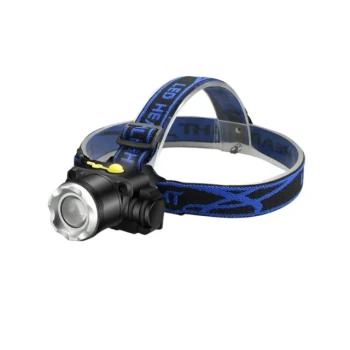
- Professional Rechargeable Beekeeping Headlamp Flashlight with Red Light Mode and Type-C Charging
- Solar Beeswax Melter Easy Solar Wax Melter for Beeswax
- HONESTBEE AC Powered Wire Embedder with Alligator Clips
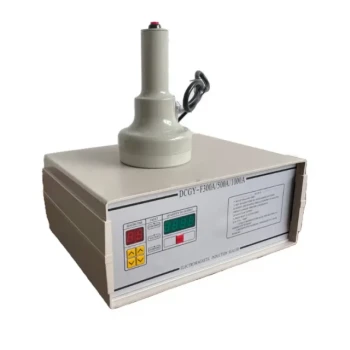
- Handheld Induction Sealing Machine for Tamper Evident Packaging
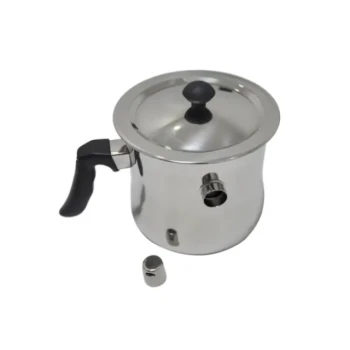
- Beeswax Melter for Candle Making Honey Bee Wax Melter
People Also Ask
- What are the advantages of using red light sources for African honey bees? Enhance Safety and Colony Health
- Why is a Red-light Flashlight necessary for the nighttime transportation of bee colonies? Enhance Hive Safety & Success
- What are the main products obtained from beekeeping? Honey, Beeswax, and Vital Pollination Services
- What is the primary function of a cylinder-shaped wood mold? Essential Tools for Quality Queen Rearing
- How can beekeeping supplies and accessories enhance the hobby? Essential Tools for Safe & Rewarding Beekeeping