Queen marking tubes are indispensable tools for beekeepers, designed to safely and efficiently mark queen bees for easy identification and hive management. Our product category includes a variety of queen marking tubes and accessories, such as the Transparent Plastic Bee Catcher Queen Marker Tube Cage, which ensures precise marking with its non-toxic, durable design. The Plastic Queen Marking Tube Cage with Plunger offers a soft foam plunger and screened bottom for humane handling. For one-handed convenience, the One Hand Yellow Queen Marking Catcher Tube Cage is perfect for busy beekeepers. Additionally, our Queen Bee Marking Pens provide non-toxic, weatherproof solutions for long-lasting identification.
Toggle Categories
Get Instant Support
Choose your preferred way to connect with our team
-
Get Free Quote Fill out form for detailed pricing
-
Send Email Detailed inquiry support
-
WhatsApp Quick mobile chat
Response Time
Within 8 hours on working days, 24 hours on holidays
queen marking tube


Queen Bee Marking Pen UNI Medium Point for Queen and Bee Marking
Item Number: MP-2
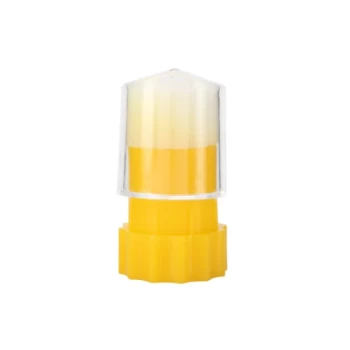
Queen Bee Catcher Plastic Bee Marker Bottle with Piston Marking Tube
Item Number: MT-5


Plastic Queen Marking Tube Cage with Plunger for Beekeeping
Item Number: MT-1

Plastic Queen Bee Catcher Marker Tube Holder for Queen Marking Bottle
Item Number: MT-7

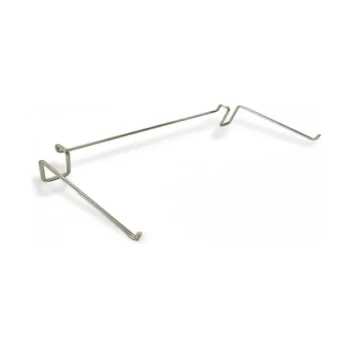
Heavy-Duty Stainless Steel Frame Perch
Item Number: BFP-3
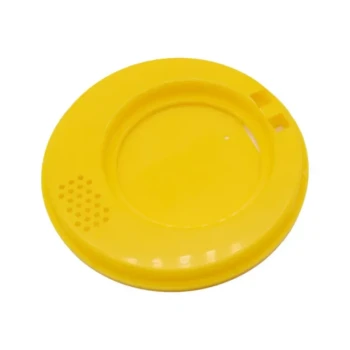
Circular Labyrinth Bee Escape for Efficient Hive Management
Item Number: BE-7
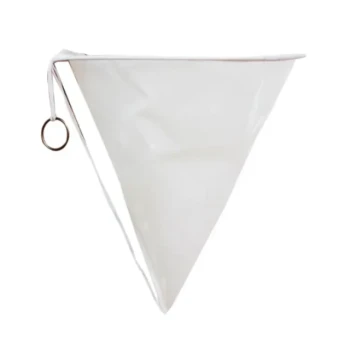
Professional Cone-Shaped Honey Filter with Reinforced Steel Ring
Item Number: HS-3R
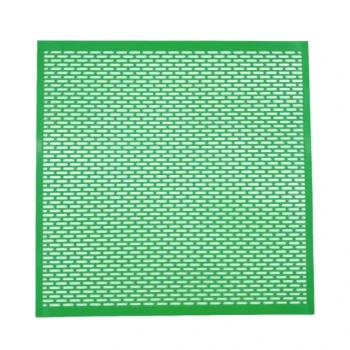
High Performance Plastic Queen Excluder for Beekeeping and Apiary Management
Item Number: QE-2G
Why Choose Our Queen Marking Tubes and Accessories?
Queen marking is a critical aspect of beekeeping, allowing beekeepers to track the age of their queens, prevent accidental replacements, and streamline colony inspections. Our queen marking tubes are designed with precision and safety in mind, ensuring that your queen bees are handled gently and marked accurately.
Key Features of Our Queen Marking Tubes:
- Durable and Non-Toxic Materials: Our queen marking tubes are made from high-quality, non-toxic plastic, ensuring the safety of your bees and the longevity of the tools.
- Easy-to-Use Design: Many of our tubes feature one-handed operation, making them convenient for beekeepers who need to manage multiple tasks simultaneously.
- Humane Handling: The soft foam plungers and screened bottoms in our tubes ensure that queen bees are immobilized gently, reducing stress and risk of injury.
- Precision Marking: Our queen marking pens, such as the POSCA Queen Marking Pens and UNI Medium Point Pens, offer non-toxic, water-based paint that provides long-lasting, vibrant marks.
Benefits of Using Queen Marking Tubes:
- Track Queen Age: By marking your queen bees, you can easily track their age, which is crucial for maintaining a healthy and productive hive.
- Prevent Accidental Replacements: Marked queens are less likely to be accidentally replaced during hive inspections, ensuring the stability of your colony.
- Streamline Inspections: Marked queens are easier to locate, making hive inspections quicker and more efficient.
Customizable Solutions:
We understand that every beekeeper has unique needs. That’s why we offer customizable solutions to meet your specific requirements. Whether you need a particular size, color, or design, we can tailor our products to fit your beekeeping practices.
Expert Support:
Our team of beekeeping experts is here to assist you with any questions or concerns. We are committed to providing you with the best tools and advice to ensure the success of your beekeeping endeavors.
Call to Action:
Ready to enhance your beekeeping experience with our top-quality queen marking tubes and accessories? Contact us today to learn more about our products and how we can help you achieve your beekeeping goals. Let us be your trusted partner in maintaining healthy, productive hives.
FAQ
What Is A Queen Marking Tube Used For?
A queen marking tube is used to safely and precisely mark queen bees. It helps beekeepers track the queen's age, prevent accidental replacements, and streamline colony inspections.
How Does A Queen Marking Tube Work?
A queen marking tube works by herding the queen into a long tube with a plunger. The plunger gently pushes the queen towards a screen at the top of the tube, immobilizing her so she can be marked safely.
What Are The Advantages Of Using A Queen Marking Tube?
Using a queen marking tube provides several benefits, including the ability to track the queen's age, prevent accidental replacements, and make colony inspections more efficient.
What Materials Are Used To Mark Queen Bees?
Materials used to mark queen bees include Tipp-Ex (typing correction fluid), Humbrol Enamel paints, and Posca water-based art pens. These are safe and non-toxic for the queen.
What Are The Features Of A Queen Marking Tube?
A queen marking tube typically features a long tube with a plunger and a screen at the top. It is designed to gently immobilize the queen for safe marking and is often made of durable, clear plastic for easy visibility.
How Do Queen Marking Pens Work?
Queen marking pens use water-based, non-toxic paint that lasts the queen's lifetime. They require priming by shaking and pressing the pen to get the paint to the tip before use, ensuring precise and safe marking.
What Are The Benefits Of Marking A Queen Bee?
Marking a queen bee helps beekeepers track her age, prevent accidental replacements, and streamline colony inspections, making hive management more efficient and effective.
REQUEST A QUOTE
Our professional team will reply to you within one business day. Please feel free to contact us!
Related Articles
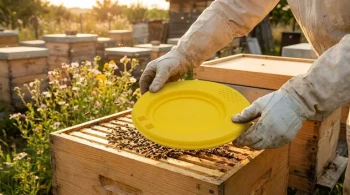
How to Use Escape Boards for Stress-Free Honey Harvesting: A Beekeeper's Guide
Learn how escape boards streamline honey harvesting with 90% bee clearance, protecting colonies and boosting efficiency in modern beekeeping.
Read more
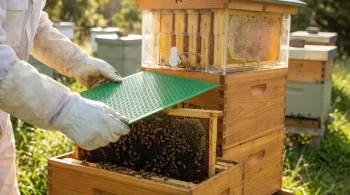
Strategic Queen Excluder Use in Flow Hives: Preventing Brood Contamination Without Triggering Swarms
Learn how to strategically use queen excluders in Flow Hives to prevent brood contamination while minimizing swarming risks for optimal honey production.
Read more
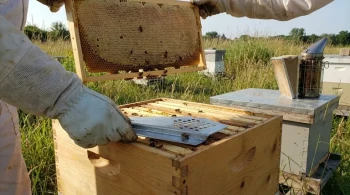
How to Clear Honey Supers Humanely: Reliable Methods & Troubleshooting
Learn humane methods to clear honey supers without stressing bees, including bee escapes, fume boards, and troubleshooting tips for stubborn colonies.
Read more
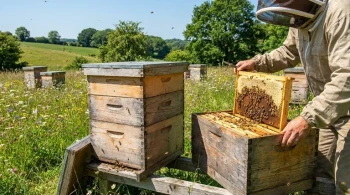
How Beekeepers Can Optimize Hive Productivity Through Strategic Component Use
Learn how beekeepers optimize hive productivity with strategic brood chamber and honey super use to prevent swarming and boost honey yields.
Read more
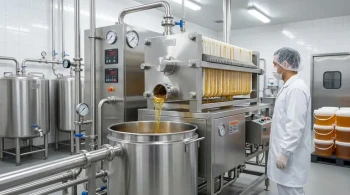
How Professional Honey Filtration Preserves Quality While Meeting Food Safety Standards
Learn professional honey filtration techniques that preserve quality while meeting food safety standards for commercial beekeepers.
Read more
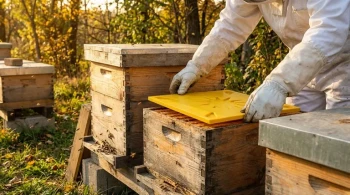
How to Optimize Triangle Bee Escape Boards for Maximum Honey Yield
Learn how to optimize triangle bee escape boards for maximum honey yield by understanding bee behavior, temperature dynamics, and proper installation techniques.
Read more
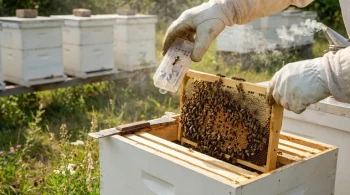
How Queen Management Dictates Success in Colony Splitting: A Beekeeper’s Guide
Learn expert queen management techniques for successful colony splitting in beekeeping. Optimize pheromone stability, resource allocation, and timing.
Read more
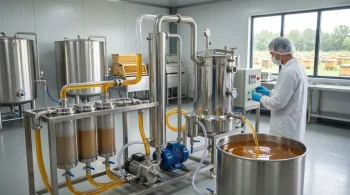
How Honey Filtration Technology Impacts Compliance and Market Value
Learn how modern honey filtration technology ensures compliance, preserves quality, and boosts market value for commercial producers.
Read more
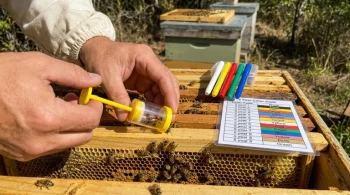
How to Mark Queen Bees Safely Using the 5-Year Color Code System
Learn the 5-year color code system for marking queen bees to improve hive health, prevent swarming, and boost honey production.
Read more
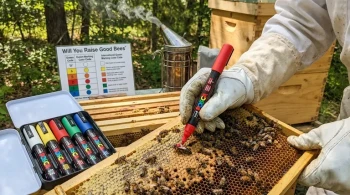
How Queen Bee Age Tracking Boosts Hive Productivity: A Beekeeper’s Guide
Learn how queen bee age tracking boosts hive productivity with color-coded marking and strategic replacement protocols for beekeepers.
Read more
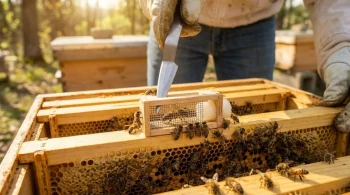
How to Prevent Queen Bee Rejection: Mastering Pheromone Timing for Hive Success
Learn pheromone timing & hive strategies to prevent queen bee rejection, boost acceptance rates, and maximize colony productivity.
Read more
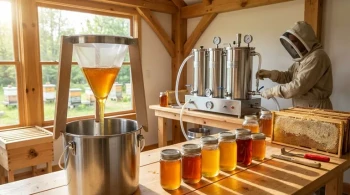
How to Choose the Right Honey Filter for Your Beekeeping Operation
Learn how to choose the right honey filter for beekeeping—compare mesh vs. multi-stage filters for purity, efficiency, and cost.
Read more
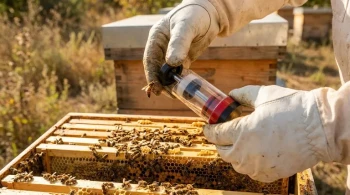
How Queen Clip Catchers Protect Your Hive During Beekeeping Interventions
Learn how queen clip catchers protect your hive during beekeeping interventions, ensuring colony stability and faster recovery.
Read more
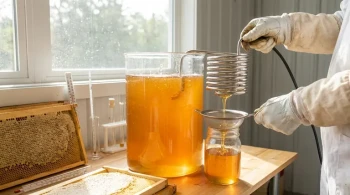
How Honey Filtration Machines Preserve Natural Quality and Boost Beekeeper Profits
Learn how honey filtration machines preserve enzymes and boost profits by maintaining raw honey's natural quality without heat damage.
Read more
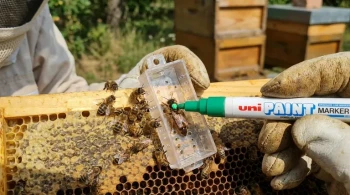
How Queen Bee Marking Transforms Hive Management: A Beekeeper's Guide
Learn how queen bee marking improves hive management with color-coding, swarm prevention, and efficient colony tracking for beekeepers.
Read more
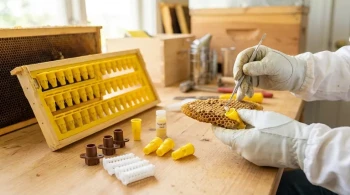
How to Raise Superior Queen Bees: The Science of Larval Selection and Care
Learn the science of larval selection and care to raise superior queen bees, boosting colony productivity and honey yields.
Read more
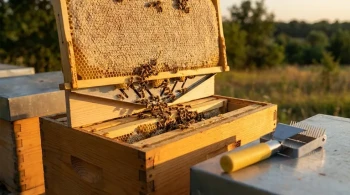
How to Harvest Honey Humanely Using Escape Boards: A Beekeeper’s Guide
Learn humane honey harvesting with triangle escape boards—minimize bee stress while maximizing yield. Essential for ethical beekeepers.
Read more
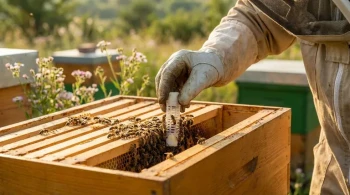
How Beekeepers Can Ensure Successful Queen Introduction Through Behavioral Science
Learn the science behind successful queen bee introduction, including pheromone acclimation, worker behavior, and common pitfalls for beekeepers.
Read more
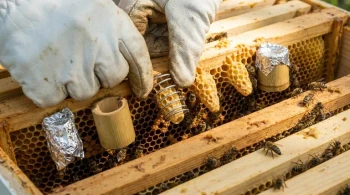
How to Protect Queen Cells: A Beekeeper’s Guide to Reliable Methods
Learn effective methods to protect queen cells in beehives, from physical barriers to seasonal strategies for optimal hive health.
Read more
Maximizing Queen Cage Value: A Beekeeper's Guide to Safe Reuse & Long-Term Savings
Learn how beekeepers can safely reuse queen cages to cut costs by 60-70% while maintaining colony health through proper sterilization and durable materials.
Read more