Manual honey extractors are essential tools for beekeepers, offering a simple and cost-effective way to extract honey without the need for electricity. These extractors are ideal for hobbyists and small-scale beekeepers who prefer a hands-on approach. Our range includes various models, such as the Plastic Hand Crank 2 Frame Honey Extractor, the Stainless Steel Manual 8 Frame Radial Honey Extractor, and the Manual Hand Crank 4 Frame Honey Extractor. Each model is designed to be durable, easy to use, and gentle on the honeycombs, ensuring efficient extraction while preserving the integrity of the frames.
Toggle Categories
Get Instant Support
Choose your preferred way to connect with our team
-
Get Free Quote Fill out form for detailed pricing
-
Send Email Detailed inquiry support
-
WhatsApp Quick mobile chat
Response Time
Within 8 hours on working days, 24 hours on holidays
manual honey extractor

2 Frame Stainless Steel Manual Honey Spinner Extractor for Beekeeping
Item Number: HE-2M


Manual Hand Crank 4 Frame Honey Extractor Centrifuge for Beekeeping
Item Number: HE-4M

Stainless Steel Manual 8 Frame Radial Honey Extractor Machine for Beehives
Item Number: HE-8M

Plastic Hand Crank 2 Frame Honey Extractor Low Price
Item Number: HE-2MP

HONESTBEE 3-Frame Manual Acrylic Honey Extractor
Item Number: HE-3MT
Why Choose Our Manual Honey Extractors?
Manual honey extractors are a perfect choice for beekeepers who value control, efficiency, and sustainability. These devices use a hand crank to spin the frames, creating centrifugal force that gently extracts honey without damaging the combs. This method is not only eco-friendly but also allows beekeepers to manage the speed and direction of the extraction process, ensuring the best results for their honey.
Key Features
- Durable Construction: Our manual honey extractors are built to last, with options available in both high-quality plastic and rust-resistant stainless steel. This ensures longevity and ease of maintenance.
- Efficient Extraction: Designed to handle different frame capacities, from 2 to 8 frames, our extractors cater to various beekeeping needs. Whether you are a beginner or an experienced beekeeper, you can find a model that suits your operation.
- Gentle on Combs: The manual operation allows for precise control over the spinning speed, ensuring that the honeycombs remain intact and can be reused in the hive.
- Portable and Easy to Use: These extractors are lightweight and easy to transport, making them ideal for beekeepers who need to move their equipment frequently. The simple hand crank mechanism requires minimal effort and skill, making it accessible to all.
Applications
Manual honey extractors are particularly beneficial for small-scale beekeeping operations. They are cost-effective, requiring no electricity, and are perfect for hobbyists who enjoy being involved in every step of the honey extraction process. These extractors are also great for educational purposes, allowing new beekeepers to learn the basics of honey extraction in a hands-on manner.
Customizable Solutions
We understand that every beekeeper has unique needs. That's why we offer customizable solutions to ensure that our manual honey extractors meet your specific requirements. Whether you need a particular frame capacity or a specific material, we can tailor our products to fit your beekeeping setup.
Advantages of Manual Honey Extractors
- Cost-Effective: Manual extractors are more affordable than their electric counterparts, making them an excellent choice for those just starting in beekeeping.
- Energy-Efficient: Since they do not require electricity, manual extractors are an eco-friendly option that reduces your carbon footprint.
- Hands-On Experience: For those who enjoy the tactile experience of beekeeping, manual extractors provide a satisfying and intimate connection to the process.
How It Works
A manual honey extractor operates on the principle of centrifugal force. The frames are placed inside a metal drum, and a hand crank is used to spin them. As the frames rotate, the honey is flung out of the combs and collects at the bottom of the drum, ready to be drained. This method is gentle on the combs, allowing them to be returned to the hive for reuse.
Get Started Today
If you're ready to enhance your beekeeping experience with a reliable and efficient manual honey extractor, we're here to help. Our team of experts can guide you in selecting the perfect model for your needs. Don't hesitate to contact us for more information or to discuss custom options. Let us help you make your honey extraction process smoother and more enjoyable.
FAQ
What Is A Manual Honey Extractor?
A manual honey extractor is a device used by beekeepers to extract honey from honeycombs. It operates using a hand crank to spin the frames, which uses centrifugal force to throw the honey out of the combs without damaging them.
What Are The Main Types Of Manual Honey Extractors?
Manual honey extractors come in various types, including top crank or side crank models, and are made from materials like plastic or stainless steel. They also vary in frame capacities, typically ranging from 2 to 8 frames, to suit different scales of beekeeping operations.
What Are The Advantages Of Using A Manual Honey Extractor?
Manual honey extractors are cost-effective, require no power source, and allow beekeepers to control the spinning speed and direction, which helps in gently extracting honey without damaging the combs. They are ideal for hobbyists and beginner beekeepers due to their simple operation and lower cost.
How Does A Manual Honey Extractor Work?
A manual honey extractor works by placing honey frames inside a metal drum. The beekeeper turns a hand crank, which rotates the frames. The centrifugal force generated by the spinning throws the honey out of the combs, which is then collected at the bottom of the drum.
Who Should Use A Manual Honey Extractor?
Manual honey extractors are particularly beneficial for beginner beekeepers and hobbyists who prefer a hands-on approach to beekeeping. They are also suitable for those who have a small number of hives and prefer a cost-effective, eco-friendly method of honey extraction.
REQUEST A QUOTE
Our professional team will reply to you within one business day. Please feel free to contact us!
Related Articles
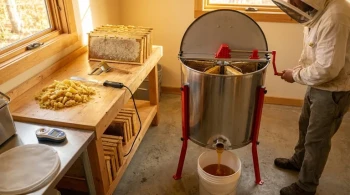
How to Optimize Honey Extraction Without Compromising Quality
Learn field-tested honey extraction methods to maximize yield while preserving quality, from uncapping tools to filtration and bottling.
Read more
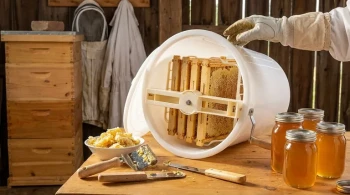
How to Extract Honey Safely Without Damaging Equipment or Hives
Professional honey extraction techniques to maximize yield while protecting combs and hive health. Learn damage-free harvesting and sustainable hive management.
Read more
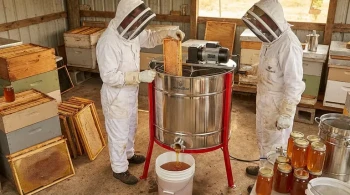
How to Choose the Right Honey Processing Method for Your Apiary
Learn how to choose the best honey processing method for your apiary—balancing quality, efficiency, and budget for small to large-scale operations.
Read more
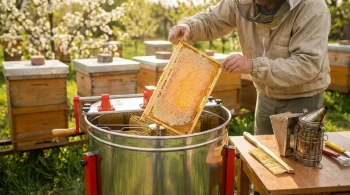
How to Harvest Honey Ethically: Bee-Friendly Techniques for Healthy Colonies
Learn ethical honey harvesting techniques to protect bee colonies while maximizing yield. Discover comb readiness tests, bee-friendly removal methods, and post-harvest care.
Read more
How Honey Screw Presses Solve Hygiene, Durability, and Efficiency Challenges for Small Beekeepers
Modern honey screw presses enhance hygiene, durability & efficiency for small beekeepers with stainless steel designs and space-saving features.
Read more
Beyond the Crank: The Strategic Control of Manual Honeycomb Embossing
Explore how manual honeycomb embossers give commercial beekeepers strategic control over wax purity, cell size, and hive biosecurity.
Read more
Is Your Honey Pump Holding Your Business Back? The Voltage Mistake You Can't Afford
Discover why choosing the wrong voltage (220V vs 380V) for your honey pump creates bottlenecks. Learn to match your pump to your operational scale for true efficiency.
Read more
Why Your Cut Comb Honey Quality Is Inconsistent—And the Simple Fix You're Overlooking
Struggling with warped or unsellable cut comb honey? Discover the hidden reason your frames fail and the simple, purpose-built tool that fixes it.
Read more
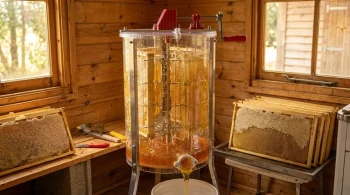
The Gentle Acceleration: Why Honey Extractor Speed Isn't a Number, But a Process
Honey extractor speed isn't a fixed RPM. It's a gradual process, starting slow to manage centrifugal force and prevent catastrophic comb damage.
Read more
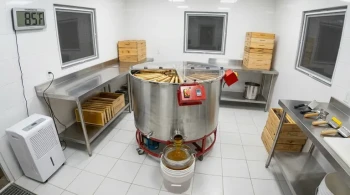
The Beekeeper's Cleanroom: Why Your Extraction Space Dictates Success
A successful honey harvest depends on a controlled environment. Learn how managing security, humidity, and temperature prevents failure.
Read more
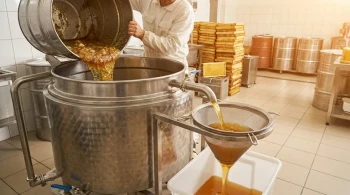
Beyond the Bucket: Why Your Honey Filtering Method Is a Bottleneck (And How to Fix It for Good)
Struggling with slow, inconsistent honey filtering? Discover why hobbyist methods fail at commercial scale and how to eliminate this critical production bottleneck.
Read more
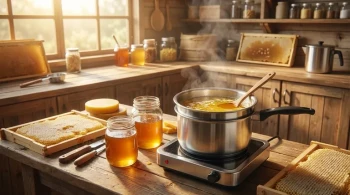
More Than Heat: The Physics of Preserving Honey's Soul
Separating honey and wax isn't about brute force heat; it's about control. Learn how to prevent HMF and preserve honey's delicate quality.
Read more
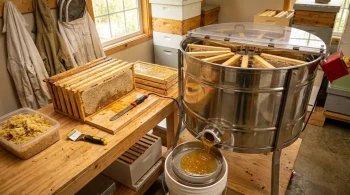
How to Optimize Centrifugal Honey Extraction for Different Hive Types
Optimize centrifugal honey extraction for top bar & Langstroth hives with expert tips on equipment, techniques, and quality preservation.
Read more
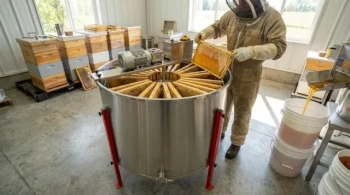
How to Choose the Right Honey Extractor Size: Balancing Capacity, Cost, and Efficiency
Learn how to choose the right honey extractor size based on hive count, honey viscosity, and workflow needs for hobbyists or commercial beekeepers.
Read more

How Honey Extractors Revolutionize Sustainable Beekeeping
Discover how honey extractors enhance sustainable beekeeping by preserving combs, boosting efficiency, and improving hive health.
Read more
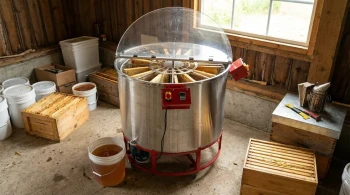
How to Prevent Honey Extractor Failures: Balancing Loads and Choosing Durable Frames
Learn how to prevent honey extractor failures with balanced loads and durable frames. Tips for radial, tangential, and manual extractors.
Read more
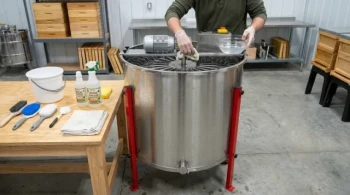
How Proper Honey Extractor Maintenance Prevents Costly Damage: A Beekeeper’s Guide
Learn how proper honey extractor maintenance prevents costly damage with expert cleaning tips and storage advice for beekeepers.
Read more
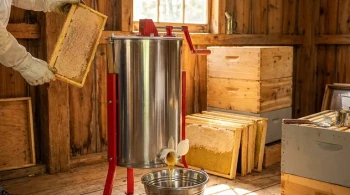
The Manual Flip: Understanding the Hidden Costs of Your First Honey Extractor
Tangential honey extractors are simple, but the manual flip costs time. Understanding this trade-off is key to scaling your beekeeping operation.
Read more
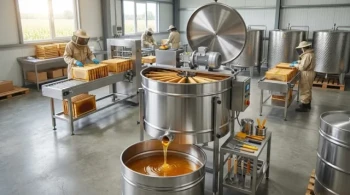
How Automatic Honey Extractors Cut Costs and Boost Scalability for Commercial Beekeepers
Automatic honey extractors reduce labor costs by 30% and boost scalability for commercial beekeepers. Discover how automation enhances efficiency and honey quality.
Read more
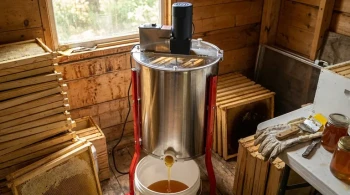
The Extractor's Dilemma: Why Honey Extraction is More Than Just a Spin
Explore how honey extraction methods, from centrifugal force to pressing, impact hive health, honey quality, and a beekeeper's long-term productivity.
Read more