Propolis is the honeybee colony’s natural protective sealant and antimicrobial barrier. Bees collect plant resins containing compounds such as terpenes and flavonoids, then apply them to cracks, joints, interior surfaces, and potential sources of contamination. By encouraging this behavior through suitable hive design, beekeepers can strengthen the colony’s natural social immunity, support a more stable nest environment, and reduce avoidable stress.
Hive design that gives bees appropriate places to deposit propolis helps recreate the protective conditions of a natural tree cavity. The resulting propolis envelope can inhibit pathogens, reduce the colony’s need for constant immune activation, and support healthier brood production—while removable collection systems can also create a clean, valuable hive byproduct.
How Propolis Supports Natural Hive Immunity
A plant-derived antimicrobial material
Honeybees gather resin from trees and other plants and transform it into propolis. Its antimicrobial activity is associated with naturally occurring compounds, including terpenes, flavonoids, and related resin constituents.
Within the hive, propolis helps inhibit the growth of bacterial and fungal pathogens. It also contributes to the colony’s broader defenses against disease and certain persistent pests.
A protective envelope inside the nest
Bees spread propolis over interior surfaces, joints, cracks, and other vulnerable areas. This creates a more hygienic nest cavity rather than leaving the colony exposed to every untreated surface.
The coating functions as part of the colony’s social immunity: protection produced collectively by worker behavior and hive conditions, rather than by an individual bee’s immune response alone.
Sealing gaps and stabilizing the microclimate
Propolis seals unnecessary openings and smooths rough or irregular areas inside the hive. This helps limit unwanted drafts, moisture intrusion, and pest access.
A more stable internal environment reduces stress on the colony. Properly fitted hive components are still essential, but propolis provides a biological finishing layer that complements sound equipment design.
Encasing difficult threats
When bees encounter dead pests or intruders that are too large to remove, they can coat them in propolis. This process isolates the material and helps prevent it from becoming a continuing source of contamination inside the warm hive.
Propolis may also help deter or entrap smaller intruders, including ants, by sealing access points and coating vulnerable areas.
Why Encouraging Propolis Deposition Benefits the Colony
It reduces the burden of constant immune activation
A propolis-coated nest can lower the pathogen pressure that bees must manage continuously. Research summarized in the references associates this antimicrobial layer with lower and more consistent immune-gene expression during active summer and fall periods.
The practical implication is not that bees stop defending themselves. Rather, the colony may spend fewer resources maintaining a heightened baseline immune response.
It helps conserve energy for colony growth
Immune activity requires metabolic resources. When the nest environment provides additional passive protection, bees may conserve energy that can instead support feeding, thermoregulation, foraging, and brood care.
The supplementary research links this reduced immune burden with higher levels of storage proteins such as vitellogenin and stronger brood-rearing capacity. These effects can contribute to larger worker-brood populations in the spring.
It supports a healthier brood environment
Brood is especially sensitive to instability, contamination, and poor hive hygiene. A propolis envelope helps maintain a cleaner and more controlled nest cavity.
For commercial beekeepers, this can support more consistent colony development, although brood performance remains dependent on nutrition, queen quality, weather, pests, and disease management.
How Hive Design Influences Propolis Use
Smooth commercial equipment can discourage natural deposition
Many standard hive boxes have planed-smooth interior walls. These surfaces are functional for manufacturing and inspection, but they do not necessarily encourage bees to create the continuous resin layer found in rough natural cavities.
This creates a design gap: the equipment may be structurally sound while still offering few cues or locations for efficient propolis deposition.
Narrow gaps create purposeful deposition points
Specialized propolis traps or collection boards use narrow openings and textured grids to encourage bees to fill the spaces with resin. The referenced example describes trap openings of approximately 24 × 3 mm installed on the inside of wooden hive boxes.
These structures imitate the kinds of irregularities bees naturally seal. They also concentrate propolis where it can be removed, inspected, or harvested without damaging the main hive structure.
Properly fitted components improve efficiency
Hive bodies, frames, covers, and joints should minimize large, unnecessary gaps. Bees can seal small irregularities efficiently, but excessive openings may consume labor and propolis without delivering proportional hygienic value.
Precision-manufactured equipment therefore serves two purposes: it protects the colony mechanically and allows bees to direct propolis toward strategically useful surfaces.
Pre-applied propolis can support hive acceptance
Propolis also has a characteristic scent that bees associate with a secure and hygienic nesting site. Applying a modest amount to the interior of an empty hive may help signal that the cavity is suitable for occupation.
This can be useful when preparing equipment for swarm attraction or colony installation. It should be viewed as an acceptance aid, not a guarantee of occupancy.
The Practical Value for Beekeepers and Suppliers
A biological function and a harvestable product
Propolis collection systems can encourage bees to maintain their internal protective layer while allowing beekeepers to collect excess material from removable grids. This creates a dual benefit: colony hygiene and product recovery.
For distributors and commercial apiaries, the relevant equipment category may include propolis traps, collection boards, fitted frames, hive boxes, and compatible replacement components.
Equipment consistency matters at scale
In commercial operations, small differences in dimensions, fit, surface finish, or trap compatibility can affect installation time and colony response. Standardized components make it easier to deploy the same management approach across multiple apiaries.
Reliable sourcing is therefore part of the biological strategy. Fast order fulfillment, accurate specifications, and responsive technical support reduce interruptions when equipment must be installed during a narrow seasonal window.
Product selection should match the management objective
A beekeeper seeking colony hygiene may prioritize internal propolis-inducing structures. A producer focused on propolis recovery may need removable grids that permit clean harvesting and rapid reinstallation.
Wholesalers and resellers should distinguish between these use cases rather than treating every propolis device as interchangeable.
Understanding the Trade-offs
Propolis is supportive, not a replacement for disease control
A propolis envelope can reduce pathogen pressure, but it does not replace monitoring, hygienic practices, nutritional management, or legally appropriate treatments. Colonies can still develop serious diseases or suffer from parasites despite substantial propolis deposition.
The correct approach is integrated management: use hive design to support natural defenses while retaining active inspection and intervention protocols.
Excessive sealing can complicate inspections
Heavy propolis buildup can make frames, boxes, and covers difficult to separate. This may increase labor during inspections and raise the risk of damaging comb or equipment.
Hive designs should encourage strategic deposition, not create unnecessary obstruction. Removable collection surfaces can help control where the material accumulates.
Harvesting must not weaken the colony’s barrier
Removing propolis can be beneficial when excess material is collected from traps. However, aggressive scraping of essential seals or removal at unsuitable times can reduce the colony’s protection against drafts, moisture, and pests.
Collection procedures should preserve the colony’s functional envelope and avoid disrupting critical joints or brood-area surfaces.
Material and design quality affect results
A trap with unsuitable openings, poor fit, or difficult removal may create more management work than value. Materials should be durable, hive-compatible, and easy to clean or replace.
For B2B purchasing, specifications, interchangeability, supply continuity, and delivery reliability are as important as the basic propolis-inducing concept.
How to Apply This to Your Project
Hive design should be selected according to the colony’s needs, the apiary’s scale, and the beekeeper’s inspection and harvesting practices.
- If your primary focus is colony health: Use properly fitted hive components and propolis-inducing surfaces to support a stable, hygienic nest environment alongside routine disease and pest management.
- If your primary focus is propolis production: Choose removable propolis collection boards or grids that concentrate deposition and enable clean harvesting without stripping essential hive seals.
- If your primary focus is commercial apiary efficiency: Standardize compatible boxes, frames, traps, and replacement parts to reduce installation labor and simplify multi-site management.
- If your primary focus is distribution or resale: Build a dependable product portfolio around compatible propolis equipment, clear technical specifications, responsive service, and rapid fulfillment.
When hive design works with bee behavior, propolis becomes both a natural layer of colony protection and a practical tool for more efficient apiary management.
Summary Table:
| Aspect | Benefit | Practical Implication |
|---|---|---|
| Antimicrobial barrier | Inhibits bacteria, fungi, and pests | Reduces pathogen pressure inside the hive |
| Social immunity | Collective coating of surfaces | Lowers individual immune burden |
| Microclimate stability | Seals gaps, reduces drafts and moisture | Less stress on colony, better thermoregulation |
| Energy conservation | Less immune activation | More resources for brood care and foraging |
| Brood health | Cleaner environment | Supports stronger worker-brood populations |
| Scalable management | Standardized components | Easier multi-apiary deployment |
Ready to support healthier colonies and efficient propolis harvesting? HONESTBEE supplies a full range of propolis traps, hive boxes, and precision frames designed for commercial apiaries and distributors. With our wholesale expertise, fast order fulfillment, and OEM/ODM support, we help you deliver reliable, hive-friendly equipment that meets your customers' needs. Contact us today to discuss your requirements!
Related Products
- 8 Frame and 10 Frame Propolis Trap Collector Screen for Propolis Collection
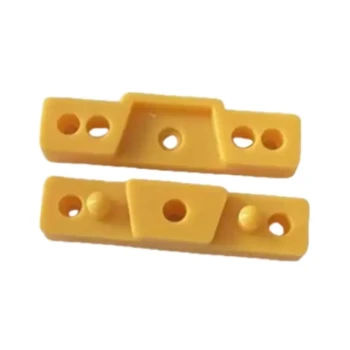
- Durable Plastic Interlocking Hive Connector for Beekeeping
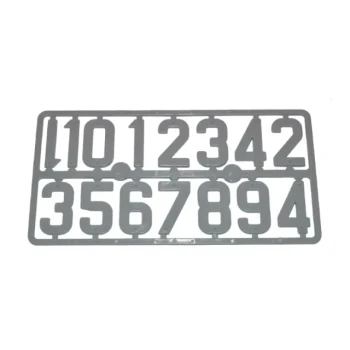
- Modern Flat-Mount Hive Number Set for Beekeeping
- Professional Engraved Round Hive Number Tags for Beekeeping
People Also Ask
- Why is a specific wooden frame required when installing a propolis screen? Optimize Your Propolis Harvest Efficiency
- What are the advantages of using propolis collector screens? Elevate Your Harvest to Pharmaceutical Purity
- How do propolis collection screens work? Discover material specs for commercial harvesting equipment
- How does the mesh size of a propolis collection screen influence the efficiency of propolis harvesting? Optimize Yields!
- How do commercial-grade plastic screens compare to custom fine-mesh screens? Maximize Your Propolis Yield & ROI