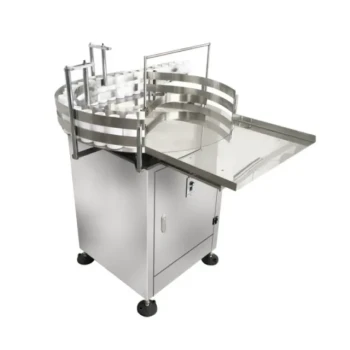
Supplemental feeding equipment indirectly assists in bee lice control by powering the colony's natural hygiene mechanisms. By providing syrup or pollen substitutes during dry seasons, you prevent the nutritional stress that leads to lethargy. Well-nourished bees possess the physical vitality required to perform vigorous self-cleaning behaviors, which are the primary method for mechanically removing parasites like bee lice.
Core Insight: Supplemental feeding is not a chemical treatment, but a foundational element of Integrated Pest Management (IPM). It acts as a preventative measure by ensuring the colony remains strong, stable, and energetic enough to groom away infestations that would overwhelm a starving hive.
The Link Between Nutrition and Pest Defense
Combatting Resource Scarcity
During dry seasons, natural sources of nectar and pollen become scarce, threatening the colony with starvation.
Supplemental feeding equipment bridges this gap by delivering essential calories through syrup or flour mixtures.
This intervention prevents the colony from weakening, ensuring the bees have the raw energy needed for daily operations.
Enhancing Self-Cleaning Behaviors
The primary mechanism for controlling bee lice is the physical grooming behavior of the workers.
Strong, well-nourished colonies exhibit significantly better self-cleaning capabilities than those suffering from malnutrition.
When bees are fed consistently, they maintain the activity levels necessary to locate and remove external parasites from themselves and nestmates.
Preventing Colony Collapse
Beyond individual hygiene, feeding prevents mass mortality and absconding (abandoning the hive).
A stable, populated hive is better equipped to manage environmental stressors than a dwindling one.
By using feeders to maintain "productive vitality," you ensure the workforce remains large enough to manage hive hygiene effectively.
Understanding the Trade-offs
The Density Paradox
While feeding boosts vitality, it also maintains a large population density within the hive.
Parasite prevalence can sometimes be higher in large, populous colonies simply because there are more hosts available.
However, the primary reference suggests that the benefits of stability and improved defensive capabilities generally outweigh the risks of higher population density in an IPM context.
Making the Right Choice for Your Goal
Supplemental feeding is a technical measure that serves dual purposes: survival and sanitation. Here is how to prioritize your approach based on your specific objectives:
- If your primary focus is Colony Survival: Prioritize high-energy syrup delivery to prevent starvation and absconding during the peak of the dry season.
- If your primary focus is Pest Management: Maintain a consistent feeding schedule to ensure bees have the surplus energy required for aggressive self-cleaning and grooming behaviors.
By keeping the colony well-fed, you transform nutrition into a biological shield against pests.
Summary Table:
| Factor | Impact of Supplemental Feeding | Benefit to Bee Lice Control |
|---|---|---|
| Energy Levels | Provides consistent caloric intake | Enables vigorous grooming and self-cleaning |
| Colony Stability | Prevents starvation and absconding | Maintains a workforce large enough for hygiene |
| Physical Vitality | Reduces nutritional stress and lethargy | Bees remain active enough to mechanically remove pests |
| IPM Strategy | Acts as a foundational preventative measure | Strengthens natural biological defenses |
Elevate Your Apiary's Resilience with HONESTBEE
Maintaining strong, well-nourished colonies is the first line of defense against pests. At HONESTBEE, we specialize in supporting commercial apiaries and distributors with high-quality beekeeping tools and machinery designed for professional-scale operations. From advanced syrup feeders that ensure consistent nutrition to honey-filling machines and specialized hardware, our comprehensive wholesale portfolio covers every industry need.
Why partner with HONESTBEE?
- Full Spectrum Supply: Beekeeping tools, machinery, and essential consumables.
- Commercial Scale: Tailored solutions for large-scale producers and distributors.
- Global Expertise: High-performance equipment to boost your productivity and hive health.
Don't let nutritional stress compromise your colony's health. Contact us today to discover how our wholesale equipment solutions can empower your beekeeping business!
References
- Gizachew Gemechu. Prevalence and Associated Risk Factors of Bee Lice in Holeta and its Suroundings, Ethiopia. DOI: 10.4172/2157-7579.1000130
This article is also based on technical information from HonestBee Knowledge Base .
Related Products
- HONESTBEE Round Hive Top Bee Feeder for Syrup
- HONESTBEE Entrance Bee Feeder Efficient Hive Front Liquid Feeding Solution for Beekeeping
- Automated Rotary Bottle Unscrambler for Honey Production Line
- Professional Hive Top Bee Feeder for Beekeeping
- HONESTBEE Professional Hive Top Bee Feeder Feeding Solution
People Also Ask
- What can the round hive top feeder be used for? A Guide to Efficient, Safe Bee Feeding
- What is the capacity of the round hive top feeder for syrup and pollen? A Guide to Targeted Apiary Support
- What types of hive boxes is the round hive top feeder compatible with? Universal Fit for 8 & 10-Frame Langstroth Hives
- What types of feed can be used with the round hive top feeder? Versatile Feeding for Optimal Apiary Health
- What are the different types of top feeders for bees? Choosing the Best Feeder for Your Apiary