To properly use a propolis trap, place the device flat across the top bars of the uppermost box in your hive, directly beneath the outer lid. Crucially, you must then insert a small object—such as a stick, shim, or rock—between the trap and the lid to prop it slightly open. This creates a controlled gap that allows light and air to enter, signaling the bees to seal the area.
Core Takeaway Propolis traps rely on the honeybee's biological drive to seal hive breaches. By intentionally allowing light and drafts into the top of the hive, you compel the colony to plug the trap’s holes with propolis, resulting in a yield that is significantly purer than scrapings containing wood or beeswax.
Installation and Deployment
Positioning the Trap
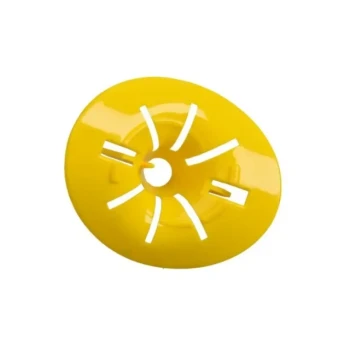
The trap, which typically resembles a plastic screen or mat with narrow slits, should be placed on the top bars of the highest super. In this configuration, the trap effectively replaces the hive's inner cover.
Triggering the Instinct
The most critical step is propping the outer cover (lid) open using a shim, stick, or small stone. This allows a small amount of light and airflow to penetrate the hive.
The Biological Response
Bees prefer a dark, draft-free environment and view the light from the gap as a threat to their hive's integrity. They will instinctively work to block the light and air by filling the slits in the trap with propolis.
Ideal Timing
While traps can be used year-round, autumn is the peak season for collection. During this time, bees are naturally preparing the hive for winter and are more aggressive about sealing cracks and drafts.
Harvesting the Propolis
Temperature Management
Propolis is sticky and difficult to handle when warm. To harvest, remove the filled trap, place it inside a clean plastic bag, and put it in a freezer for several hours or overnight.
The Extraction Process
Once the propolis is frozen, it becomes hard and brittle. Immediately upon removing the bag from the freezer, bang the trap against a hard surface or flex and twist the plastic.
Collection and Storage
The brittle propolis will crack and fall off the trap into the bag. This must be done quickly before the material warms up and becomes sticky again. Store the harvested flakes in an airtight container.
Understanding the Trade-offs
Purity vs. Convenience
Using a dedicated trap is the superior method for obtaining high-purity samples free from wood chips, bee parts, and excess beeswax. This is essential if the propolis is intended for sale or chemical analysis.
The "Scraping" Alternative
If you only require small amounts for personal use, a trap may not be necessary. You can scrape "bee glue" from frames and boxes using a hive tool, though this method is labor-intensive and results in a product with more impurities.
Making the Right Choice for Your Goal
- If your primary focus is high-volume or commercial sale: Use a trap with the lid propped open, as this standardized process reduces impurities and increases market value.
- If your primary focus is personal home use: Stick to scraping frames and hive bodies during routine inspections to avoid the cost of specialized equipment.
By manipulating the hive environment with light and airflow, you turn the bees' survival instinct into an efficient collection method.
Summary Table:
| Feature | Propolis Trap Method | Traditional Scraping Method |
|---|---|---|
| Installation | Top of hive, lid propped open | None (Manual scraping) |
| Purity Level | High (Free of wood and debris) | Low (Contains wax/wood/bees) |
| Best Season | Autumn (Pre-winter sealing) | Year-round (During inspections) |
| Harvesting | Freezing and flexing trap | Manual scraping with hive tool |
| Best Use Case | Commercial sale & high volume | Personal use & low volume |
Maximize Your Propolis Yield with HONESTBEE
At HONESTBEE, we specialize in empowering commercial apiaries and beekeeping distributors with the tools they need to scale. From precision-engineered propolis traps to advanced honey-filling machines and specialized hive-making equipment, our comprehensive wholesale catalog covers every aspect of modern apiculture.
Whether you are looking to source high-purity beekeeping consumables or heavy-duty machinery, our team is ready to provide the professional-grade solutions your business demands. Contact HONESTBEE today to discuss our wholesale offerings and discover how we can streamline your production from hive to market.
Related Products
- 8 Frame and 10 Frame Propolis Trap Collector Screen for Propolis Collection
- Removable Plastic Pollen Trap With Ventilated Tray for Bees Pollen Collector
- Professional Bucket Style Wasp and Moth Pheromone Trap
- Plastic Bee Pollen Trap Strips Comb Catcher Collector
- Plastic Beetle Blaster Trap Beekeeping Tools and Supplies
People Also Ask
- Why is a specific wooden frame required when installing a propolis screen? Optimize Your Propolis Harvest Efficiency
- What are the advantages of using propolis collector screens? Elevate Your Harvest to Pharmaceutical Purity
- How do propolis collection screens work? Discover material specs for commercial harvesting equipment
- How does the mesh size of a propolis collection screen influence the efficiency of propolis harvesting? Optimize Yields!
- How do commercial-grade plastic screens compare to custom fine-mesh screens? Maximize Your Propolis Yield & ROI