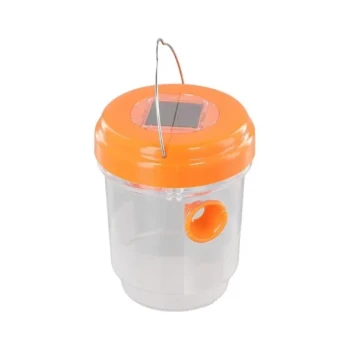
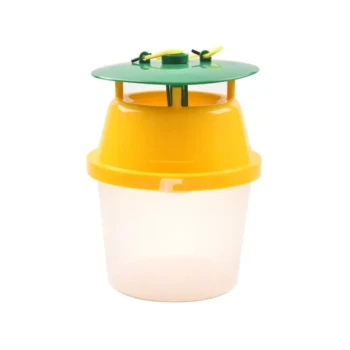
Strategic deployment must transition from fixed, reactive placement to dynamic, data-driven positioning along predicted migration corridors. By leveraging Species Distribution Models (SDMs), distributors and beekeeping managers can proactively place intelligent traps and consumables in "high-probability" zones before infestations occur. This proactive barrier approach ensures that monitoring infrastructure is always one step ahead of the shifting centroids of invasive species like Polistes versicolor.
To effectively manage invasive wasp migration, the industry must shift from passive defense to a dynamic monitoring model that utilizes predictive modeling to establish defensive barriers in advance of territorial expansion. For distributors, this necessitates a high-speed supply chain capable of delivering a full spectrum of monitoring consumables to emerging hotspots with minimal lead time.
Transitioning from Passive Defense to Dynamic Monitoring
The Role of Species Distribution Models (SDMs)
As environmental changes shift the distribution centroids of invasive wasps, traditional fixed monitoring locations become obsolete. SDMs provide a predictive map, allowing professionals to identify exactly where the next wave of migration is likely to occur.
Resellers should use these models to advise clients on shifting their consumable inventory toward these "front-line" zones. This data-driven approach transforms monitoring from a guessing game into a calculated defensive strategy.
Establishing Proactive Defensive Barriers
The goal is no longer just to catch wasps, but to create an impenetrable monitoring barrier before the species arrives. This requires the widespread deployment of intelligent traps and consumables along predicted migration paths.
By positioning resources in these transition zones, beekeepers can detect early arrivals and prevent established colonies. For B2B partners, this means maintaining a comprehensive inventory that can be deployed at scale the moment a shift is detected.
Optimizing the Supply Chain for Rapid Response
One-Stop Sourcing for Full-Spectrum Portfolios
Because migration patterns are fluid, beekeeping operations require a diverse range of tools, from intelligent hardware to specialized chemical lures. One-stop sourcing is critical to ensure all components of a defensive barrier are compatible and arrive simultaneously.
A full-spectrum portfolio allows distributors to meet the specific needs of different climates and wasp species as they move into new territories. Providing a complete ecosystem of products reduces complexity for the end-user and improves the speed of barrier establishment.
Ultra-Fast Delivery and Efficient Fulfillment
When an SDM predicts a shift, the window for effective deployment is narrow. Ultra-fast delivery is the difference between a successful defense and a lost season for an apiary.
Distributors must prioritize logistics and order fulfillment to ensure consumables reach emerging hotspots before the peak migration season. Rapid response times build trust and ensure that the monitoring infrastructure is functional when it is needed most.
Understanding the Trade-offs and Strategic Challenges
The Risk of Predictive Inaccuracy
While SDMs are highly effective, they are based on environmental variables that can change unexpectedly. Over-committing resources to a single predicted path without maintaining a flexible inventory can lead to wasted capital if the migration shifts elsewhere.
Distributors should balance their stock to support both predicted hotspots and traditional strongholds. This diversified stock strategy mitigates the risk of localized supply gluts or shortages.
Balancing Inventory Costs vs. Deployment Speed
Maintaining a massive, ready-to-ship inventory of specialized consumables carries significant overhead. However, the cost of being "out of stock" during a migration event is far higher in terms of lost market share and customer trust.
The key is deep professional expertise in inventory management and market trends. High-performing wholesalers use data to lean into high-demand consumables while maintaining the agility to pivot as migration centroids move.
How to Apply This to Your Business Strategy
Effective response to invasive species migration requires a blend of scientific foresight and logistical excellence. Your goal is to provide the "ammunition" for a dynamic defense.
- If your primary focus is Market Leadership: Leverage your professional expertise to offer SDM-informed consulting alongside your premium trading services to position yourself as a strategic partner rather than just a vendor.
- If your primary focus is Operational Efficiency: Focus on one-stop sourcing and ultra-fast delivery to ensure your clients can establish defensive barriers the moment migration data suggests a shift.
- If your primary focus is Portfolio Growth: Expand your range to include "full-spectrum" consumables, ensuring that no matter where the wasp centroids shift, you have the specific solution required for that environment.
By aligning rapid logistics with predictive monitoring data, you empower your clients to stay ahead of ecological shifts and protect their assets with precision.
Summary Table:
| Strategic Element | Reactive Approach (Traditional) | Dynamic Approach (Strategic) |
|---|---|---|
| Deployment Basis | Fixed locations / Historical data | Predicted migration corridors (SDM) |
| Timing | Post-infestation response | Proactive barrier establishment |
| Supply Chain | Standard inventory cycles | Ultra-fast delivery to hotspots |
| Product Range | Limited hardware selection | Full-spectrum consumables & smart traps |
| Goal | Population reduction | Early detection and territorial defense |
Secure Your Supply Chain with HONESTBEE
As migration patterns shift, your clients need a partner who can move as fast as the environment. HONESTBEE empowers distributors and B2B resellers with a one-stop sourcing solution for the entire beekeeping ecosystem. From intelligent monitoring hardware and specialized consumables to honey-filling machinery and hive-making equipment, we provide the full spectrum of tools required for modern apiary management.
Why partner with us?
- Comprehensive Portfolio: Access everything from industry consumables to specialized beekeeping machinery.
- Rapid Fulfillment: High-speed logistics and ultra-fast delivery to meet sudden market shifts.
- Deep Industry Expertise: Professional support to help you manage inventory costs while maximizing deployment speed.
- Tailored for Growth: Premium trading services designed to boost profit margins for wholesalers and commercial suppliers.
Contact HONESTBEE today to access our wholesale catalog and ensure your inventory stays ahead of the next migration wave!
References
- Xueyou Zhang, Jianmeng Feng. Future Range Expansions of Invasive Wasps Suggest Their Increasing Impacts on Global Apiculture. DOI: 10.3390/insects15070546
This article is also based on technical information from HonestBee Knowledge Base .
Related Products
- Gourd Shaped Hanging Wasp Trap Professional Wasp Catcher
- Reusable Wasp Trap Bottle Converter
- Professional Multi-Component Bucket Wasp Trap
- Compact Multi-Funnel Hanging Wasp Trap
- Solar Powered LED Wasp Trap
People Also Ask
- How do professional wasp traps function? Master Physical Control of Oriental Hornets to Protect Your Apiary
- What are the practical advantages of using professional wasp traps and protective equipment in apiary management? Scale Up
- Why replace sugar syrup bait in wasp traps every three days? Ensure Maximum Attraction and Catch Rates
- What role do specialized wasp traps play in wasp control? Enhance Apiary Security and Pest Monitoring
- How can commercial apiary operators mitigate wasp predation around hives using specialized trapping equipment? Effective strategies for wasp control