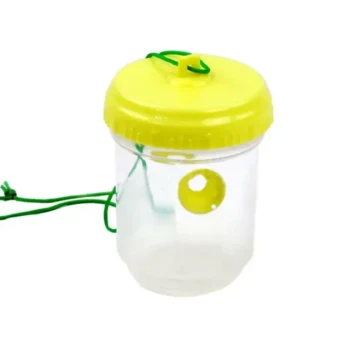
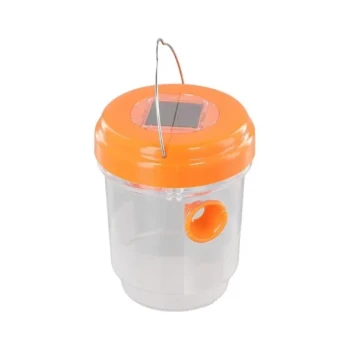
Replacing sugar syrup bait regularly is essential to maintain the specific scent intensity required to attract wasps effectively. If the bait is not changed at frequent intervals, such as every three days, the syrup may ferment or spoil. This degradation alters the chemical profile of the lure, significantly diminishing the trap's ability to capture wasps.
Core Insight
The effectiveness of a wasp trap relies entirely on the stability of the attractant. Allowing syrup to age leads to fermentation and inconsistent scent profiles, which compromises both the physical catch rate and the reliability of any data collected from the observation.
The Mechanics of Attraction
Maintaining Stable Scent Intensity
Wasps are driven by specific olfactory cues. For a trap to remain effective, it must emit a consistent and recognizable signal. Fresh syrup ensures the scent intensity is stable and strong enough to draw wasps in from a distance.
Preventing Scent Fluctuation
As syrup ages, its volatility changes. By replacing the bait on a strict schedule, you ensure the "lure" remains constant. This prevents periods of low activity caused simply by a weak or fading scent.
The Risks of Chemical Degradation
Avoiding Fermentation
Sugar syrup is an unstable medium that naturally begins to ferment over time. Fermentation changes the chemical composition of the bait, often converting sugars into alcohol or other byproducts. This alteration can make the trap unattractive or even repellant to the target species.
Eliminating Spoilage
Beyond fermentation, the syrup can simply spoil due to bacterial growth or environmental contaminants. Spoilage degrades the quality of the lure immediately. Regular replacement acts as a reset, ensuring the trap always contains a high-quality attractant.
The Importance for Data Integrity
Ensuring Data Continuity
If you are trapping for monitoring or scientific purposes, consistency is paramount. You need to know that a drop in wasp captures is due to a lack of wasps, not a lack of bait quality. Regular maintenance removes the bait's age as a variable in your data.
Preserving Objectivity
To compare capture rates over time, the conditions of the trap must remain identical. Using fresh syrup guarantees that each observation period is objective. It allows for accurate comparisons between different days or different trap locations.
Understanding the Trade-offs
Labor Intensity vs. Trap Efficacy
The primary trade-off of a three-day replacement schedule is the labor required. It demands frequent site visits and resource management. However, failing to invest this time renders the trap ineffective, wasting the effort entirely.
Environmental Variables
In hotter climates, fermentation happens faster. While a three-day schedule is a standard baseline, extreme heat may require even more frequent changes to avoid spoilage. Sticking rigidly to a schedule without accounting for temperature can sometimes lead to gaps in effectiveness.
Making the Right Choice for Your Goal
To maximize the utility of your wasp traps, align your maintenance schedule with your specific objectives.
- If your primary focus is Pest Control: Prioritize fresh bait to maintain maximum scent intensity, ensuring the highest possible capture rate.
- If your primary focus is Scientific Observation: Adhere strictly to a fixed replacement interval (e.g., every 3 days) to ensure all data points are objective and comparable.
Reliable trapping results are built on the consistency of your maintenance routine.
Summary Table:
| Factor | Impact of Fresh Bait (Every 3 Days) | Consequences of Aged Bait |
|---|---|---|
| Scent Intensity | Strong, stable, and highly attractive | Fading, weak, or inconsistent signals |
| Chemical Profile | Pure sugar scent target species recognize | Fermentation (alcohol) and chemical spoilage |
| Capture Efficiency | High; maximizes pest control efforts | Low; traps may become repellent to wasps |
| Data Quality | Objective; removes bait age as a variable | Skewed; data becomes unreliable for monitoring |
Maximize Your Apiary Productivity with HONESTBEE
Maintaining effective pest control is vital for the health of your colonies and the success of your business. HONESTBEE is dedicated to supporting commercial apiaries and distributors with premium, field-tested beekeeping solutions.
From advanced wasp management tools and honey-filling machinery to high-durability hive-making equipment, we provide the full spectrum of hardware and consumables your operation needs to thrive. Partner with us to access professional-grade wholesale supplies that streamline your workflow and boost your bottom line.
Ready to scale your beekeeping operations? Contact us today to explore our comprehensive wholesale catalog!
References
- Dina El-boulok. POPULATION DYNAMICS OF ORIENTAL HORNET (Vespa orientalis L.) DURING ITS ACTIVITYSEASON IN THE APIARY THROUGHOUT THE DAY PERIODS. DOI: 10.21608/ajs.2019.6393.1004
This article is also based on technical information from HonestBee Knowledge Base .
Related Products
- Gourd Shaped Hanging Wasp Trap Professional Wasp Catcher
- Compact Multi-Funnel Hanging Wasp Trap
- Solar Powered LED Wasp Trap
- Professional Multi-Component Bucket Wasp Trap
- Reusable Wasp Trap Bottle Converter
People Also Ask
- How do professional wasp traps function? Master Physical Control of Oriental Hornets to Protect Your Apiary
- What are the practical advantages of using professional wasp traps and protective equipment in apiary management? Scale Up
- What role do specialized wasp traps play in wasp control? Enhance Apiary Security and Pest Monitoring
- How can commercial apiary operators mitigate wasp predation around hives using specialized trapping equipment? Effective strategies for wasp control
- What is the primary function of specialized traps used to defend against wasps? Protect Your Hive and Queen Today