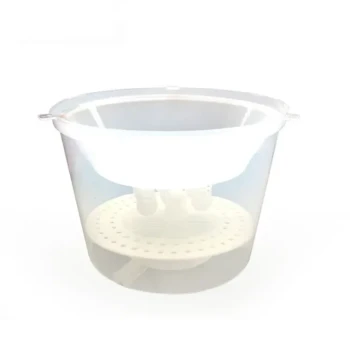
The recommended non-toxic alternatives to oil for small hive beetle traps are hydrolyzed lime dust and diatomaceous earth. These dry substances function as desiccants, killing beetles through dehydration rather than drowning. By switching to these materials, you eliminate the mess and odor associated with liquid oils while maintaining an effective defense against hive pests.
While liquid oil kills by drowning, dry alternatives like hydrolyzed lime dust and diatomaceous earth work by physically damaging and dehydrating the beetle. This shift from liquid to solid media solves the two biggest frustrations of beetle trapping: messy in-hive spills and the repellent odor of rancid oil.
The Mechanics of Dry Alternatives
Hydrolyzed Lime Dust
This substance acts as a powerful dehydrating agent. When beetles fall into a trap containing hydrolyzed lime dust, the moisture is rapidly sucked from their bodies, leading to death.
Because it is a dry powder, it does not ferment or degrade over time. This ensures the trap remains sanitary and does not require the frequent changing that organic liquids do.
Diatomaceous Earth
Diatomaceous earth is a soft, siliceous sedimentary rock that has been crumbled into a fine white powder. It is essential to strictly use food-grade varieties within a beehive to ensure safety.
Mechanically, this powder works like microscopic shards of glass. It injures the beetle by cutting through its exoskeleton, which subsequently causes the pest to dehydrate and die. Unlike chemical pesticides, this is a physical method of control that beetles cannot build immunity to.
Understanding the Trade-offs: Why Avoid Oil?
The Rancidity Factor
A significant downside to using vegetable or cooking oils is spoilage. Once beetles are trapped and begin to decay in the liquid, the oil often goes rancid.
This creates a foul odor that can actually be counterproductive. The smell of rotting beetles and spoiled oil may discourage other beetles from entering the trap, rendering it ineffective over time.
Handling and Spillage Risks
Oil-filled traps introduce a high risk of contamination during hive inspections. If a hive super containing a liquid trap is placed on uneven ground, the oil can easily leak out into the hive box.
Furthermore, some trap designs are difficult to open for cleaning without causing a spill. Using dry alternatives eliminates the risk of dousing your bees (or yourself) in messy, viscous fluid.
A Note on Hazardous Alternatives
It is vital to distinguish between non-toxic dry alternatives and chemical pesticides. Boric acid, while sometimes used in general pest control, is not recommended for use inside a beehive. It poses a risk of contamination, particularly if honey supers are present.
Making the Right Choice for Your Goal
When managing small hive beetles, your choice of trapping medium should align with your management style and hygiene standards.
- If your primary focus is low maintenance: Choose hydrolyzed lime dust or diatomaceous earth, as they do not spoil or require immediate cleaning after catching beetles.
- If your primary focus is hive hygiene: Avoid liquid oils to prevent accidental spills that can soil the comb and bottom board during inspections.
- If your primary focus is safety: Ensure you strictly avoid chemical pesticides like boric acid and verify that any diatomaceous earth used is labeled food-grade.
Switching to dry media simplifies your workflow, protects your hive components, and keeps your traps working efficiently.
Summary Table:
| Feature | Vegetable Oil | Hydrolyzed Lime Dust | Diatomaceous Earth (Food Grade) |
|---|---|---|---|
| Mechanism | Drowning | Dehydration (Desiccant) | Mechanical Injury & Dehydration |
| Maintenance | High (Rancidity risk) | Low (Stable powder) | Low (Stable powder) |
| Spill Risk | High (Messy/Sticky) | Minimal (Dry powder) | Minimal (Dry powder) |
| Longevity | Short (Needs changing) | Long-lasting | Long-lasting |
| Safety | High (Non-toxic) | High (Non-toxic) | High (Safe if food-grade) |
Streamline Your Apiary Operations with HONESTBEE
At HONESTBEE, we understand the challenges of managing large-scale apiaries and maintaining hive hygiene. Beyond pest management insights, we provide commercial apiaries and distributors with the professional-grade tools needed to succeed. Our comprehensive wholesale catalog includes:
- High-Efficiency Machinery: Hive-making and honey-filling machines designed for high-volume production.
- Complete Equipment Kits: Durable beekeeping tools and hardware built for heavy-duty use.
- Industry Consumables: A wide array of essential supplies to keep your operations running smoothly.
Whether you are scaling your commercial honey production or sourcing premium supplies for distribution, HONESTBEE delivers quality and reliability to every hive.
Ready to upgrade your beekeeping equipment? Contact us today to explore our wholesale offerings!
Related Products
- Reusable Aluminium Beetle Trap for Small Hive Beetles Silver Bullet
- Reusable Clear Small Hive Beetle Traps for Beehives Beetle Trapping Tools
- Removable Washable Hive Beetle Trap Attractants for Small Hive Beetles
- Plastic Beetle Blaster Trap Beekeeping Tools and Supplies
- Black Plastic Beetle Barn Hive Beetle Trap for Beehives
People Also Ask
- How should powdered substances be used in beetle traps for hive beetle control? Expert Guide for Maximum Colony Protection
- Why are beetle traps less effective during winter? Seasonal Shifts in Pest Control Explained
- When is the best time to use small hive beetle traps in cold climates? Protect Your Honeybee Winter Stores Now
- When and how should disposable traps for small hive beetles be removed? Master Hive Hygiene and Efficiency
- How do small hive beetle traps contribute to colony management? Enhance Diagnostic Accuracy and Protect Hive Health