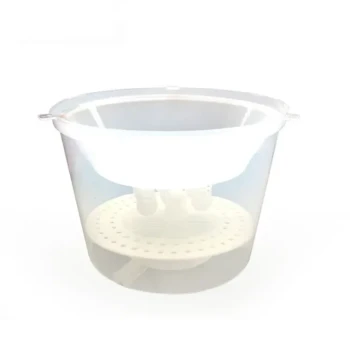
In regions with cold winters, the recommended time to deploy traps for small hive beetles is during late Summer and Fall. You should aim to utilize these traps while outdoor temperatures generally remain above 55°F, capturing beetles before the colony enters its winter dormancy.
Core Insight: In cold climates, the late-season window is critical because the dynamic within the hive shifts dangerously: the honeybee population naturally decreases while winter honey stores are at their peak, making the hive uniquely vulnerable to beetle infestation.
The Logic Behind Late-Season Trapping
Temperature Dependency
Small hive beetles are active when temperatures are moderate. The primary window for trapping in cold climates closes when temperatures consistently drop below 55°F.
The Hive's Defensive Gap
As summer ends, the colony's population of worker bees begins to decline in preparation for winter. Fewer bees mean fewer defenders to harass and coral beetles, allowing the pests to roam more freely.
Protecting Winter Investment
During late Summer and Fall, the hive is heavily stocked with honey for the coming winter. This high volume of resources acts as a strong attractant to beetles right when the colony's defensive numbers are dropping.
Operational Strategy
Placement for Maximum Efficacy
Beetles naturally seek refuge from harassing bees. Place traps inside the hive, specifically near the entrance or between the frames where beetles instinctively try to hide.
Maintenance and Replacement
Traps are not "set and forget" tools. In an active season, you may need to go through two to four rounds of disposable traps as they fill up or the attractant (like oil) spoils.
Common Pitfalls to Avoid
Leaving Traps in During Winter
Do not leave traps in the hive throughout the deep winter. As beetle populations decline with the cold, the traps become ineffective and unnecessary.
The Propolis Problem
If traps are left in too long during cold weather, bees will often seal the trap openings with propolis. This renders the trap useless and creates a mess that is difficult to clean come spring.
Ignoring General Hive Health
While traps reduce adult beetle numbers, they are a secondary defense. The primary defense against infestation is a strong colony with low varroa mite levels, as weak hives are unable to police beetle populations effectively.
Optimizing Your Seasonal Approach
If your primary focus is Protecting Winter Stores:
- Deploy traps aggressively in late Summer and Fall to reduce the adult beetle population before the cluster forms.
If your primary focus is Winterization:
- Remove all traps once the weather turns consistently cold (below 55°F) to prevent propolization and unnecessary hive clutter.
If your primary focus is Early Detection:
- While late season is critical for cold climates, you may also use traps in Spring and early Summer to monitor for the return of beetle activity and catch early arrivals.
Successful overwintering requires sending a healthy, pest-free colony into the cold, not just one full of honey.
Summary Table:
| Factor | Recommended Action / Status |
|---|---|
| Primary Trapping Window | Late Summer to Fall (before winter dormancy) |
| Temperature Threshold | Deploy traps while outdoor temps are above 55°F |
| Optimal Placement | Near the hive entrance or between frames |
| Winter Status | Remove traps to prevent propolization and clutter |
| Maintenance Frequency | 2-4 rounds of replacement depending on infestation |
| Primary Defense | Maintaining a strong, healthy bee colony |
Secure Your Apiary’s Success with HONESTBEE
Don't let small hive beetles jeopardize your winter honey stores. HONESTBEE is dedicated to supporting commercial apiaries and distributors with premium, wholesale beekeeping solutions. From high-efficacy beetle traps and essential consumables to advanced hive-making and honey-filling machinery, we provide the full spectrum of equipment needed to scale your operations and protect your colonies.
Ready to upgrade your equipment or restock for the season? Contact our team today to discuss your wholesale needs and discover how our comprehensive portfolio—including specialized hardware and honey-themed cultural merchandise—can bring more value to your business.
Related Products
- Reusable Aluminium Beetle Trap for Small Hive Beetles Silver Bullet
- Reusable Clear Small Hive Beetle Traps for Beehives Beetle Trapping Tools
- Removable Washable Hive Beetle Trap Attractants for Small Hive Beetles
- Black Plastic Beetle Barn Hive Beetle Trap for Beehives
- Plastic Beetle Blaster Trap Beekeeping Tools and Supplies
People Also Ask
- How should powdered substances be used in beetle traps for hive beetle control? Expert Guide for Maximum Colony Protection
- Why are beetle traps less effective during winter? Seasonal Shifts in Pest Control Explained
- When and how should disposable traps for small hive beetles be removed? Master Hive Hygiene and Efficiency
- How do small hive beetle traps contribute to colony management? Enhance Diagnostic Accuracy and Protect Hive Health
- What is the recommended approach for managing small hive beetles in warm and tropical climates? Build a Strong Hive Defense