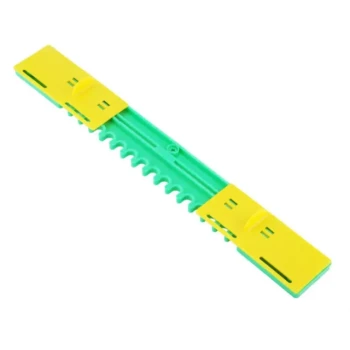
To properly use powdered substances in hive beetle traps, fill the trap compartment approximately halfway with either hydrolyzed lime dust or diatomaceous earth. For standard maintenance, install one trap for every eight frames in your hive; increase this to two traps for every eight frames if you require aggressive control of an active infestation.
Core Takeaway: Using dry agents like hydrolyzed lime or diatomaceous earth transforms beetle traps into non-toxic, spill-proof dehydration chambers. Success depends heavily on adjusting the number of traps based on the severity of the beetle pressure, rather than just the substance used.
Selecting and Preparing the Trap
Recommended Substances
The most effective powdered agents for these traps are hydrolyzed lime dust or diatomaceous earth. Unlike liquid baits that drown pests, these substances work by physically injuring or dehydrating the beetles that fall into the trap.
Mechanism of Action
Diatomaceous earth is particularly effective because it cuts the beetle's exoskeleton. This injury leads to rapid dehydration and death without the need for toxic chemicals.
Correct Fill Levels
You should fill the trap compartment approximately halfway. This provides sufficient material to coat and trap the beetles while preventing overflow that could disturb the bees.
Deployment Strategy and Ratios
Routine Maintenance
For general prevention in a standard hive, the recommended density is one trap for every eight frames. This ratio is sufficient to catch scouting beetles and prevent a population explosion in a healthy colony.
Aggressive Control
If you observe a significant number of beetles or signs of infestation, you must increase the trap density. Install two traps for every eight frames. Maintain this higher density until the beetle population is visibly reduced.
Placement Within the Hive
Place the traps where beetles are most likely to enter or hide. This is typically near the hive entrance or situated between the frames on the outer edges of the box.
Understanding the Trade-offs and Risks
Powder vs. Oil
Many beekeepers use mineral or cooking oil to drown beetles. While effective, oil poses a significant risk of spilling, which makes a mess inside the hive. Powders eliminate the spill risk and do not produce the bad odors often associated with rancid oil or decaying beetles.
Chemical Risks
Never use boric acid inside a beehive, especially if honey supers are present, as it poses a contamination risk.
Resistance Issues
While chemical treatments like Coumaphos exist for empty boxes, beetles can develop resistance to them over time. Physical traps using powders offer a mechanical solution that beetles cannot become immune to, making them a more sustainable long-term strategy.
Making the Right Choice for Your Goal
To maximize effectiveness, combine trap usage with regular inspections and general colony maintenance.
- If your primary focus is Routine Prevention: Deploy one trap per eight frames filled halfway with hydrolyzed lime to maintain a clean, spill-free environment.
- If your primary focus is Active Infestation: Immediately increase density to two traps per eight frames to aggressively reduce the adult beetle population.
By selecting the right dry agent and adhering to the correct trap-to-frame ratio, you ensure a potent defense against hive beetles without compromising hive hygiene.
Summary Table:
| Feature | Routine Maintenance | Aggressive Control |
|---|---|---|
| Recommended Substance | Hydrolyzed Lime / Diatomaceous Earth | Hydrolyzed Lime / Diatomaceous Earth |
| Trap Fill Level | Approximately Halfway | Approximately Halfway |
| Trap Density | 1 trap per 8 frames | 2 traps per 8 frames |
| Action Mechanism | Dehydration/Physical Injury | Dehydration/Physical Injury |
| Primary Benefit | Prevention & Spill-proof | Rapid Population Reduction |
Secure Your Apiary with Professional-Grade Solutions
At HONESTBEE, we understand the challenges commercial apiaries and distributors face in maintaining hive health and productivity. Whether you are managing an active infestation or implementing preventative maintenance, our comprehensive wholesale offering provides the tools you need to succeed.
From specialized beekeeping machinery and hive-making equipment to essential industry consumables and honey-themed merchandise, we supply everything required to scale your beekeeping operations effectively. Partner with us to access high-quality hardware and expert support tailored to your business needs.
Ready to elevate your wholesale beekeeping supply? Contact us today and let HONESTBEE empower your success!
Related Products
- Black Plastic Beetle Barn Hive Beetle Trap for Beehives
- Reusable Aluminium Beetle Trap for Small Hive Beetles Silver Bullet
- Removable Washable Hive Beetle Trap Attractants for Small Hive Beetles
- Reusable Clear Small Hive Beetle Traps for Beehives Beetle Trapping Tools
- Plastic Beetle Blaster Trap Beekeeping Tools and Supplies
People Also Ask
- What are the three main types of hive beetle traps? Expert Solutions for Protecting Your Bee Colonies
- What are the types of hive beetle traps available? Master Your Beetle Control Strategy
- What are the main types of hive beetle traps available? A Beekeeper's Guide to Effective Control
- What mechanical methods can be used to manage small hive beetles? Effective Physical Solutions for Your Beehive
- In what situations is the use of beetle traps particularly recommended? Essential Protection for Vulnerable Bee Hives