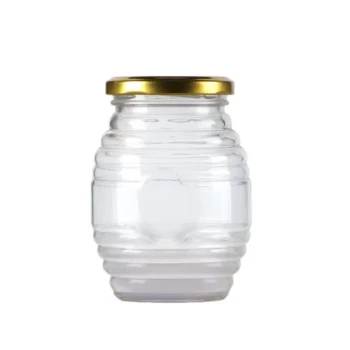
The 30ml specimen vial is the industry standard for maximizing the integrity of stingless bee samples during field collection and long-term storage. This specific volume provides the ideal ratio of 70% to 95% ethanol preservative to biological tissue, ensuring specimens remain fixed without the risk of decay. Their specialized sealing mechanisms prevent the evaporation of volatile preservatives, which is critical for maintaining the morphological rigidity required for precise laboratory identification.
For distributors and wholesalers, the 30ml vial represents a mission-critical component in the entomological supply chain, balancing portable field efficiency with the rigorous chemical stability required to protect high-value bioactive data.
Optimizing Field Logistics and Sample Stability
The Strategic Advantage of 30ml Volume
The 30ml capacity is specifically engineered for high-intensity field work where portability is as vital as sample quality. It offers enough internal volume to house the preservative fluid necessary to fully submerge stingless bee specimens, preventing air pockets that lead to oxidation.
Superior Sealing and Evaporation Control
One of the primary failure points in specimen transport is the loss of ethanol through poor lid seals. Premium 30ml vials utilize advanced sealing properties that create an airtight barrier, ensuring that samples do not dehydrate or degrade during the transit period from remote field sites to laboratory centers.
Rapid Tissue Fixation
When used with high-concentration ethanol, these vials facilitate quick tissue fixation. This process maintains the coloration and rigidity of the exoskeleton, which is essential for measuring morphological indicators such as head length and thorax width.
Protecting Biochemical and Genetic Integrity
UV Filtration and Light Sensitivity
For samples intended for biochemical analysis, amber glass vials are the preferred choice because they block ultraviolet radiation. This prevents the photochemical degradation of light-sensitive molecules like phenolic acids and flavonoids, which are often studied in stingless bee research.
Chemical Inertness and Contamination Prevention
Using high-quality glass ensures the container is chemically inert, meaning no plasticizers or contaminants migrate into the sample. This is particularly important when analyzing organic acids or performing antioxidant analysis, where even trace contaminants can skew results.
Microbial Defense through Sterilization
Sterile vials ensure that the original physicochemical properties of the samples remain unaffected by external microbes. By combining sterile packaging with refrigeration, researchers can inhibit microbial activity and keep the natural biochemical characteristics of the bee stable for months.
Understanding the Trade-offs in Material Selection
Glass vs. High-Density Plastic
While amber glass offers the best protection against UV and chemical migration, it is heavier and more susceptible to breakage during rugged field transport. High-density plastic vials provide a durable, lightweight alternative that reduces shipping costs and breakage risks, though they may offer less protection against long-term chemical leaching.
The Risk of Oversized Containers
Using containers larger than 30ml can lead to preservative dilution or excessive sloshing during transport, which can mechanically damage delicate specimen appendages. Smaller, standardized volumes ensure that the specimen-to-preservative ratio remains consistent, which is a requirement for high-accuracy melissopalynological analysis.
Strategic Sourcing for Professional Distribution
Successful B2B resellers prioritize suppliers that offer a full-spectrum product portfolio to meet diverse research needs. By providing both glass and high-density plastic options, you can position your business as a one-stop source for specialized entomological equipment.
- If your primary focus is high-precision laboratory analysis: Prioritize sterile amber glass vials to guarantee the highest level of chemical inertness and UV protection for sensitive samples.
- If your primary focus is high-volume field collection: Invest in high-density plastic vials with reinforced seals to maximize durability and reduce total shipping weight for your clients.
- If your primary focus is rapid market responsiveness: Leverage a partner with ultra-fast delivery and efficient order fulfillment to ensure your inventory levels meet the seasonal demands of field research.
By integrating these specialized 30ml vials into your inventory, you provide the professional-grade tools necessary for accurate, reliable, and high-quality stingless bee research.
Summary Table:
| Key Feature | Benefit for Stingless Bee Samples | Best Use Case |
|---|---|---|
| 30ml Capacity | Ideal 70-95% ethanol-to-tissue ratio; prevents oxidation. | High-intensity field collection |
| Airtight Sealing | Prevents preservative evaporation and specimen dehydration. | Long-term storage and transit |
| Amber Glass | Blocks UV radiation; prevents photochemical degradation. | Precise biochemical/genetic analysis |
| HDPE Plastic | High durability; lightweight for reduced shipping costs. | High-volume field work in rugged terrain |
| Chemical Inertness | Prevents contamination from plasticizers/leachables. | Antioxidant and organic acid analysis |
Partner with HONESTBEE for Premium Entomological Solutions
Maximize your distribution efficiency with HONESTBEE, your one-stop sourcing partner for professional beekeeping and research equipment. We cater specifically to commercial apiaries and B2B distributors, offering a full-spectrum product portfolio—from specialized 30ml specimen vials to industrial hive-making and honey-filling machinery.
Why choose HONESTBEE?
- Deep Industry Expertise: Specialized solutions tailored for high-accuracy research and commercial apiary management.
- Rapid Fulfillment: Minimize lead times with our ultra-fast delivery and efficient order processing to meet seasonal demands.
- Wholesale Advantage: Benefit from premium trading services, superior profit margins, and a comprehensive inventory of essential consumables.
Ready to elevate your inventory with professional-grade tools? Contact our team today to request a quote and optimize your supply chain!
References
- Patrisia Lindawati, Didin Joharrudin. The Diversity of Stingless Bees (Hymenoptera: Meliponini) in Belaban Resort, Bukit Baka Bukit Raya National Park. DOI: 10.29303/jbt.v23i2.6234
This article is also based on technical information from HonestBee Knowledge Base .
Related Products
- Plastic Transporting Bee Packages and Nuc Boxes for Beekeeping
- Portable Queen Bee Incubator with 12V Car Adapter for Safe Transport
- Classic Glass Honey Jar with Metal Lug Cap for Beehive Storage
- JZBZ Style Professional Battery Box with 20 Shipping Cages
- Food Grade Plastic Honey Bucket Pail for Beekeeping
People Also Ask
- What role do bee package boxes play in the commercial transport and expansion of honeybee colonies? - Logistic Essentials
- What are beekeeping boxes called? A Guide to Hive Bodies and Box Types
- How do standardized bee packages serve as a recovery mechanism for commercial beekeeping? Ensure Business Continuity
- What is the commercial value of using standardized bee packages? Drive Scalability in Large-Scale Apiaries
- Why is the timely introduction of high-quality bee packages critical? Save Your Apiary from Asian Hornet Invasions