Honey tanks are essential tools for beekeepers, offering efficient storage, heating, and extraction solutions. Our product range includes the Food Grade Plastic Honey Bucket Pail, ideal for safe honey collection and storage, available in sizes from 5L to 25L. The Stainless Steel Honey Storage Tank with Lid ensures leak prevention and thermal protection, perfect for long-term storage. For enhanced purity, the Stainless Steel Honey Storage and Settling Tank with Double Strainer features a double-layer strainer and capacities from 25L to 80L. The Honey Uncapping Tank made from 304 stainless steel boosts productivity during extraction. Additionally, the Stainless Steel Heated Honey Tank offers precise temperature control for maintaining honey quality. For wax and honey extraction, the Stainless Steel Honey Press Wax Press with Tank and the 10L Stainless Steel Honey Wax Press Extractor provide durable and efficient solutions.
Toggle Categories
Get Instant Support
Choose your preferred way to connect with our team
-
Get Free Quote Fill out form for detailed pricing
-
Send Email Detailed inquiry support
-
WhatsApp Quick mobile chat
Response Time
Within 8 hours on working days, 24 hours on holidays
honey tank

10L Stainless Steel Honey Wax Press Extractor for Wax Cappings
Item Number: HWP-1

Stainless Steel Honey Press Wax Press with Tank
Item Number: HWP-4
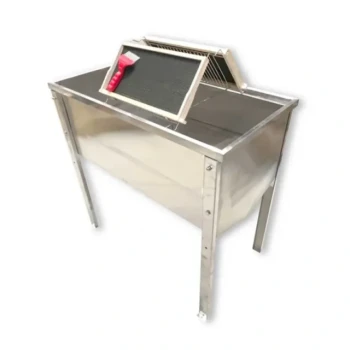
Stainless Steel Uncapping Tank with Stand and Strainer
Item Number: UCT-1

Stainless Steel Honey Storage Tank with Lid for Honey
Item Number: HST-1

Stainless Steel Honey Storage and Settling Tank with Double Strainer
Item Number: HST-2

Food Grade Plastic Honey Bucket Pail for Beekeeping
Item Number: HST-3

Stainless Steel Heated Honey Tank Warming Heating Tank
Item Number: HHT-1
Comprehensive Guide to Honey Tanks
Honey tanks are indispensable for beekeepers, offering a range of functionalities from storage to extraction. Our selection includes various types of honey tanks, each designed to meet specific needs in the beekeeping process.
Types of Honey Tanks
-
Food Grade Plastic Honey Bucket Pail: Made from durable, food-grade PP plastic, these buckets are perfect for safe honey collection and storage. Available in sizes from 5L to 25L, they are lightweight and easy to handle.
-
Stainless Steel Honey Storage Tank with Lid: These tanks are designed for efficient bottling and leak prevention. The stainless steel construction ensures thermal protection, making them ideal for long-term honey storage.
-
Stainless Steel Honey Storage and Settling Tank with Double Strainer: Featuring a double-layer strainer, these tanks ensure the purity of honey by filtering out particles. Available in capacities from 25L to 80L, they are perfect for settling and bottling processes.
-
Honey Uncapping Tank: Constructed from 304 stainless steel, this tank enhances productivity during the honey extraction process. It is durable, easy to clean, and designed to save time.
-
Stainless Steel Heated Honey Tank: This tank offers precise temperature control, preserving the natural properties of honey. The water-jacket heating system ensures gentle and controlled heating, maintaining the flavor, aroma, and nutritional value of honey.
-
Stainless Steel Honey Press Wax Press with Tank: This press is ideal for extracting wax and honey. With a large 20L capacity, it is made from durable 201 stainless steel and is easy to clean and portable.
-
10L Stainless Steel Honey Wax Press Extractor: Designed for efficient honey and juice extraction, this press is made from food-grade 201 stainless steel. Its ergonomic design and ease of cleaning make it suitable for both home and commercial use.
Features and Benefits
- Durability: All our honey tanks are made from high-quality materials, ensuring long-lasting performance.
- Efficiency: Designed to streamline the beekeeping process, our tanks enhance productivity and save time.
- Purity: With features like double-layer strainers and precise temperature control, our tanks ensure the purity and quality of honey.
- Versatility: Our range includes tanks for various purposes, from storage to extraction, catering to different needs in the beekeeping process.
Principles of Operation
- Heating Tanks: These tanks use a water-jacket heating system to provide gentle and controlled heating, preserving the natural properties of honey.
- Settling Tanks: These tanks allow particles to settle at the bottom, ensuring clearer honey before bottling.
- Extraction Tanks: These tanks use centrifugal force to extract honey from the comb, ensuring efficient and thorough extraction.
Why Choose Our Honey Tanks?
Our honey tanks are designed with the needs of beekeepers in mind. We offer a range of products that cater to different aspects of the beekeeping process, from storage to extraction. Our tanks are made from high-quality materials, ensuring durability and long-lasting performance. With features like precise temperature control and double-layer strainers, our tanks ensure the purity and quality of honey.
Customizable Solutions
We understand that every beekeeper has unique needs. That's why we offer customizable solutions to meet your specific requirements. Whether you need a tank for storage, heating, or extraction, we can provide a solution that fits your needs.
Get in Touch
If you have any questions or need assistance in choosing the right honey tank for your needs, feel free to contact us. Our team of experts is here to help you find the perfect solution for your beekeeping process.
Explore our range of honey tanks today and discover the perfect solution for your beekeeping needs.
FAQ
What Are The Main Applications Of Honey Tanks?
What Types Of Honey Tanks Are Available?
How Does A Honey Tank Work?
What Are The Advantages Of Using Honey Tanks?
What Materials Are Honey Tanks Made Of?
Are Honey Tanks Suitable For Both Home And Commercial Use?
REQUEST A QUOTE
Our professional team will reply to you within one business day. Please feel free to contact us!
Related Articles
How Manual Tablet Presses Boost Hive Productivity with Pure Beeswax Sheets
Discover how manual tablet presses enhance hive productivity with pure beeswax sheets, boosting honey yield and colony health sustainably.
How to Choose Between Roller and Press Systems for Perfect Beeswax Sheets
Compare roller vs. press systems for beeswax sheets—ideal for candle making or cosmetics. Learn speed, cost & quality trade-offs for commercial production.
Scaling Honey Production: Industrial Pressing vs Traditional Extraction for Commercial Apiaries
Compare industrial honey presses vs traditional extraction for commercial apiaries. Boost efficiency, reduce labor costs, and maintain quality at scale.
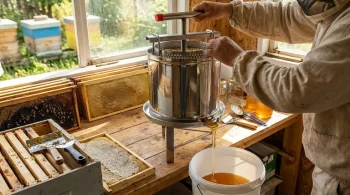
How Honey Screw Presses Solve Hygiene, Durability, and Efficiency Challenges for Small Beekeepers
Modern honey screw presses enhance hygiene, durability & efficiency for small beekeepers with stainless steel designs and space-saving features.
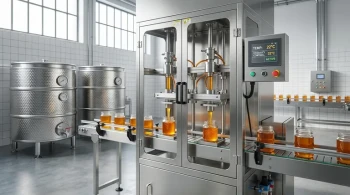
How Advanced Honey Packaging Preserves Quality & Maximizes Profits for Beekeepers
Discover how advanced honey packaging preserves quality, prevents waste, and boosts profits for beekeepers with insulated barrels and precision tech.
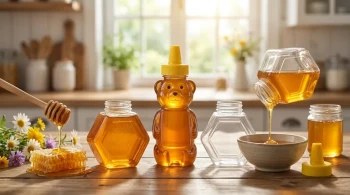
Why Honey Bear Packaging Wins: Psychology, Functionality, and Safety Behind Its Enduring Appeal
Discover why honey bear packaging wins with psychology, functionality, and safety—boosting sales and consumer appeal.
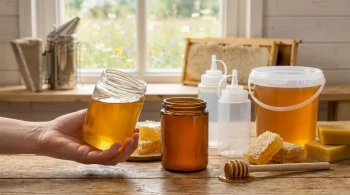
Anatomy of a Honey Jar: A Story of Chemistry, Psychology, and Logistics
Choosing between glass and plastic for honey packaging is a decision of chemistry, logistics, and brand psychology. Learn the trade-offs.

The Chemistry of Immortality: Why a Honey Jar is More Than Just a Container
Honey's longevity isn't magic; it's chemistry. Discover why glass is the ideal guardian and how the wrong container can undo nature's work.
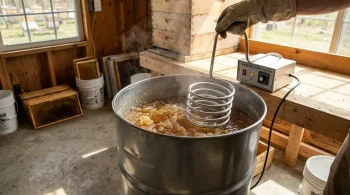
More Than Melting: Why Your Honey Heating Method Is Silently Costing You Money
Learn why common honey heating methods can damage quality and hurt profits. Discover the right equipment to protect your honey's value and scale your business.
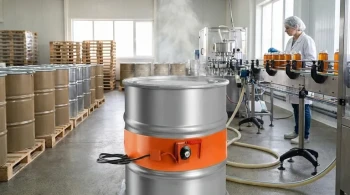
The Hidden Bottleneck: Why Inconsistent Honey Heating Is Stalling Your Operation—And How to Fix It
Struggling with slow honey processing and quality loss? Learn why inconsistent heating is the real bottleneck and how precise warming equipment can boost efficiency.
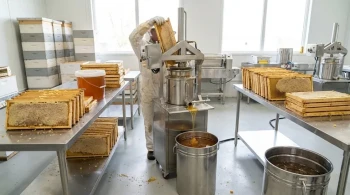
Beyond the Centrifuge: The Strategic Case for the Honey Press
Learn why the honey press isn't just another tool, but a strategic choice that defines your apiary's efficiency, yield, and philosophy.
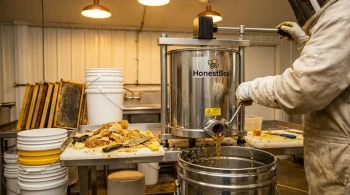
Honey Press: Why Simplicity Can Be a Hidden Trap for Commercial Beekeepers
Discover why the seemingly simple honey press isn't suitable for commercial beekeeping, the hidden costs of its "easy" operation, and efficient alternatives.
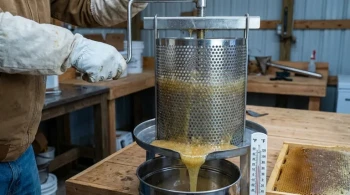
Why Your Honey Press Is Underperforming (And Why It’s Not the Press’s Fault)
Struggling with low yields and slow honey extraction? Discover the root cause isn't pressure, but temperature, and how to fix it for good.
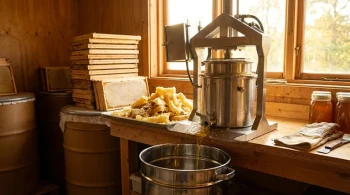
The Principle of Full Extraction: Why a Honey Press Isn't Redundant
A honey press complements centrifugal extractors by reclaiming value from byproducts, turning a systemic blind spot into a source of profit.
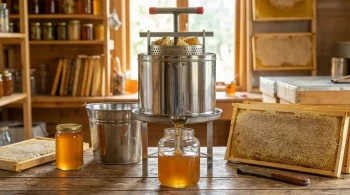
The Unseen System: Why a Honey Press is More Than Just a Tool
A honey press isn't just for extraction; it's a systemic choice that aligns with the philosophy of foundationless beekeeping in Warré and Top Bar hives.
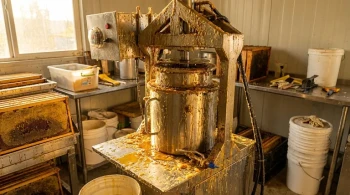
Why Your Honey Press Is a Sticky, Contaminated Mess—And How to Fix It Permanently
Stop wasting hours on ineffective honey press cleaning. Learn the two-phase method that separates wax and honey for a truly clean, food-safe result.
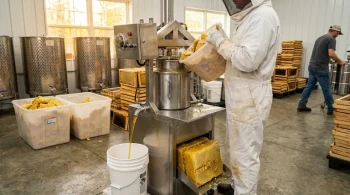
Are You Throwing Away Profit? Why Commercial Apiaries Need a Honey Press
Discover how a honey press transforms wax cappings and broken comb from a messy waste stream into a significant revenue source for your commercial beekeeping operation.
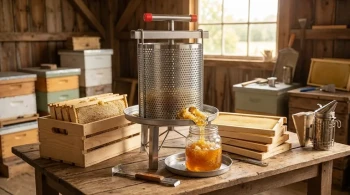
The Extractor Trap: Why Reusing Comb Is Secretly Costing Your Apiary (And How a Honey Press Can Fix It)
Discover the hidden risks of reusing honeycomb, from disease to pests, and learn how a honey press can build a more resilient, profitable apiary.
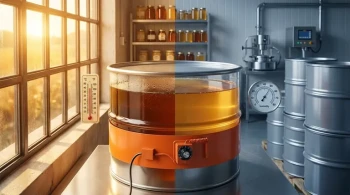
The Unseen Cost of Heat: Preserving the Value in Commercial Honey Operations
Heat doesn't spoil honey, but it silently degrades its color, flavor, and value. Learn to protect your commercial honey from its true enemies.
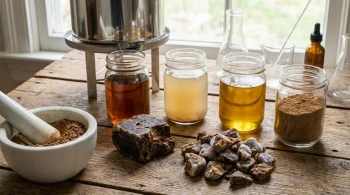
The Alchemist's Choice: Why Your Propolis Extraction Method Defines Its Power
Learn the four propolis extraction methods—alcohol, water, oil, and powder—and how your choice of solvent dictates the final product's potency and use.