Honey buckets are essential tools for beekeepers and honey enthusiasts, designed to streamline the collection, storage, and processing of honey. Our product range includes Stainless Steel Honey Storage Tanks for secure and hygienic storage, Food Grade Plastic Honey Buckets for lightweight and durable collection, and Portable Uncapping Tanks for efficient honey harvesting. Whether you're a hobbyist or a professional, our honey buckets ensure optimal honey quality and ease of use. Explore our selection to find the perfect solution for your beekeeping needs.
Toggle Categories
Get Instant Support
Choose your preferred way to connect with our team
-
Get Free Quote Fill out form for detailed pricing
-
Send Email Detailed inquiry support
-
WhatsApp Quick mobile chat
Response Time
Within 8 hours on working days, 24 hours on holidays
honey bucket

Stainless Steel Honey Storage Tank with Lid for Honey
Item Number: HST-1

Stainless Steel Honey Storage and Settling Tank with Double Strainer
Item Number: HST-2

Food Grade Plastic Honey Bucket Pail for Beekeeping
Item Number: HST-3

Stainless Steel Pail Perch Bucket Bench
Item Number: HTT-2

Yellow Plastic Bucket Pail Perch for Beekeeping
Item Number: HTT-3

5 Gallon Pail Opener Bucket Opener Tool for Honey Bucket
Item Number: HTT-6

Portable Uncapping Tank Holder Uncapping Bench for Beekeeping
Item Number: HTT-5
Why Choose Our Honey Buckets?
Our honey bucket collection is designed to meet the diverse needs of beekeepers, from small-scale hobbyists to large-scale professionals. Here’s why our products stand out:
1. Premium Materials for Durability and Hygiene
Our Stainless Steel Honey Storage Tanks are crafted from high-quality stainless steel, ensuring long-lasting durability and resistance to corrosion. These tanks are ideal for storing and transferring honey, offering leak-proof protection and thermal insulation. For a lightweight yet robust option, our Food Grade Plastic Honey Buckets are made from polypropylene (PP), a material that is both food-safe and easy to clean.
2. Innovative Design for Efficiency
Our Portable Uncapping Tank Holders and Stainless Steel Pail Perch Bucket Benches are designed to enhance your honey harvesting process. These tools provide stability and ergonomic support, reducing mess and improving efficiency. The Double Strainer Honey Storage Tanks feature integrated strainers to ensure purity by filtering out impurities during storage.
3. Versatility for Every Beekeeping Need
From 5 Gallon Pail Openers for easy access to honey buckets to Yellow Plastic Bucket Perches for hive management, our products cater to every aspect of beekeeping. Whether you need to store, filter, or transport honey, our honey buckets are versatile enough to handle it all.
4. Customizable Solutions
We understand that every beekeeper’s needs are unique. That’s why we offer customizable solutions to match your specific requirements. From varying capacities (5L to 80L) to tailored designs, our team is here to help you find the perfect fit.
5. Commitment to Quality and Sustainability
Our products are designed with both quality and sustainability in mind. By choosing our honey buckets, you’re investing in tools that not only enhance your beekeeping experience but also support environmentally friendly practices.
6. Expert Support and Guidance
Our team of beekeeping experts is always available to provide guidance and support. Whether you need help selecting the right product or tips for optimizing your honey harvesting process, we’re here to assist.
Take the Next Step in Beekeeping Excellence
Ready to elevate your beekeeping game? Explore our full range of honey buckets and discover the perfect tools for your needs. If you have any questions or need personalized recommendations, don’t hesitate to contact us. Our team is here to help you succeed in every step of your beekeeping journey.
FAQ
What Are The Main Applications Of Honey Buckets?
Honey buckets are used for storing and transferring honey efficiently. Honey itself is widely used in human food as a sugar substitute, in alcoholic beverages, child feeding, and athletic activities. It is also used in drugs for hay fever and cough syrup, as a sweetening agent, and in animal feeding to increase milk production in dairy cows. Additionally, honey is used in veterinary medicine, cosmetics, and as an ingredient in mice- and rat-repellent compounds.
What Are The Different Types Of Honey Buckets Available?
Honey buckets come in various types, including stainless steel honey storage tanks with lids, stainless steel honey storage and settling tanks with double strainers, food-grade plastic honey bucket pails, yellow plastic bucket pail perches, portable uncapping tank holders, stainless steel pail perch bucket benches, and pail opener tools for honey buckets.
How Does A Honey Extractor Work?
A honey extractor works by loading honey frames containing capped honeycomb into the device. The frames are then spun inside the press, using centrifugal force to extract honey from the comb. This process causes the honey to be flung out of the comb and collected at the bottom or sides of the extractor. After extraction, the honey may need to be filtered to remove debris or wax particles, typically by pouring it through a fine mesh or cheesecloth. The filtered honey is then collected in containers for storage or bottling.
What Are The Advantages Of Using A Honey Bucket Warmer?
Using a honey bucket warmer helps maintain the desired temperature, ensuring honey remains pourable and retains its natural essence. It is beneficial for both hobbyists and professionals, as it prevents crystallization and preserves honey quality.
REQUEST A QUOTE
Our professional team will reply to you within one business day. Please feel free to contact us!
Related Articles
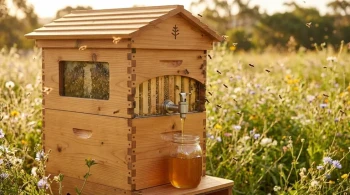
How Flow Hives Revolutionize Honey Harvesting: Saving Time and Protecting Bees
Flow Hives revolutionize honey harvesting with 80% less labor, intact combs, and faster recovery—ideal for commercial beekeepers.
Read more
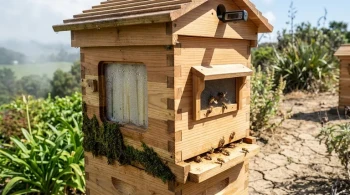
How to Optimize Flow Hive Ventilation for Healthier Colonies in Any Climate
Optimize Flow Hive ventilation for healthier bees in any climate. Learn climate-specific techniques to boost honey production and colony health.
Read more
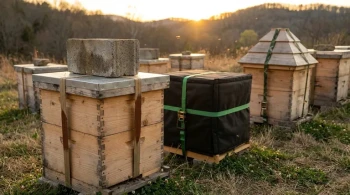
How to Secure Beehive Covers: Weatherproof Strategies for Every Hive Type
Learn weatherproof strategies to secure beehive covers for all hive types, ensuring colony protection from predators and harsh elements.
Read more
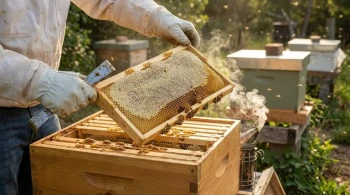
How to Prolong Flow Hive Lifespan: A Beekeeper’s Guide to Smart Frame Maintenance
Learn expert tips to extend your Flow Hive lifespan with smart frame maintenance, seasonal checks, and cost-effective repairs for beekeepers.
Read more
How Flow Hive Simplifies Beekeeping for Beginners: A Guide to Higher Yields with Less Effort
Flow Hive simplifies beekeeping with a bee-friendly, low-effort harvesting system—ideal for beginners to boost yields with minimal effort.
Read more
How Flow Hive’s Stress-Reduction Design Preserves Long-Term Hive Health
Flow Hive's stress-reducing design enhances bee health and honey yield. Learn how its non-invasive system benefits modern beekeeping.
Read more
How to Choose the Right Bee Feeder for Your Hive’s Health and Efficiency
Learn how to choose the right bee feeder for hive health, efficiency, and pest control. Compare types, seasonal tips, and cost-effective solutions.
Read more
How to Protect Hive Roofs Sustainably: Tung Oil Techniques and Maintenance Strategies
Learn sustainable hive roof protection using tung oil—non-toxic, durable, and bee-safe. Tips for installation, maintenance, and warping prevention.
Read more
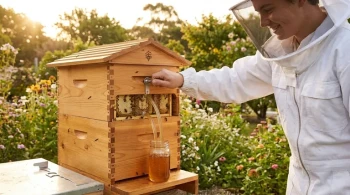
How Flow Hive Supports Bee Welfare While Simplifying Beekeeping for Beginners
Flow Hive revolutionizes beekeeping with non-invasive honey harvesting, supporting bee welfare and simplifying the process for beginners.
Read more

Flow Hive Beekeeping Mastery: Advanced Strategies to Safeguard Your Colony
Master Flow Hive beekeeping with advanced strategies to prevent colony collapse. Learn inspection routines, monitoring tools, and common pitfalls.
Read more
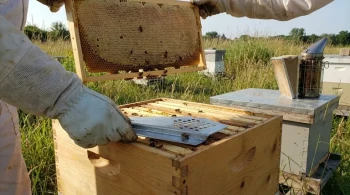
How to Clear Honey Supers Humanely: Reliable Methods & Troubleshooting
Learn humane methods to clear honey supers without stressing bees, including bee escapes, fume boards, and troubleshooting tips for stubborn colonies.
Read more
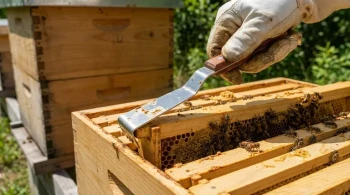
How to Use Hive Tools Without Damaging Your Apiary: A Beekeeper’s Guide
Learn how to use hive tools safely to protect your apiary. Avoid frame damage, reduce bee stress, and improve efficiency with expert tips.
Read more
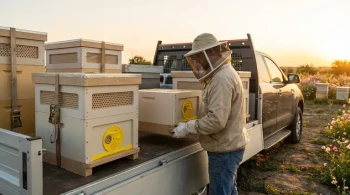
How to Choose Weight-Optimized Hive Transport Solutions for Bee Safety and Efficiency
Learn how weight-optimized hive transport solutions enhance bee safety and efficiency during relocation with modern engineering and logistics strategies.
Read more

How Advanced Honey Packaging Preserves Quality & Maximizes Profits for Beekeepers
Discover how advanced honey packaging preserves quality, prevents waste, and boosts profits for beekeepers with insulated barrels and precision tech.
Read more
Why Honey Bear Packaging Wins: Psychology, Functionality, and Safety Behind Its Enduring Appeal
Discover why honey bear packaging wins with psychology, functionality, and safety—boosting sales and consumer appeal.
Read more
How to Store Hive Straps Properly to Prevent Damage and Boost Efficiency
Learn expert tips for storing hive straps to prevent damage, extend lifespan, and maintain hive security. Ideal for nylon, polyester, and metal components.
Read more
Control vs. Versatility: The Engineering Psychology of Hive Tools
Explore the trade-offs between a frame lifter and a standard hive tool, and how tool choice impacts beekeeper confidence and colony safety.
Read more
Anatomy of a Hive Tool: The Simple Physics of Calm Beekeeping
Explore how a hive tool's geometry—flat, bent, and hooked—provides mechanical advantages for efficient, gentle, and stress-free hive management.
Read more
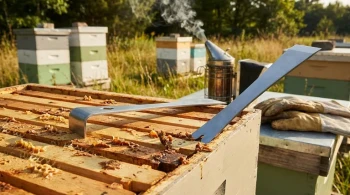
The Unsung Interface: Why a Simple Hive Tool Defines Beekeeping
The beekeeper's hive tool isn't just a pry bar; it's a crucial interface designed to respectfully overcome the bee's powerful propolis engineering.
Read more
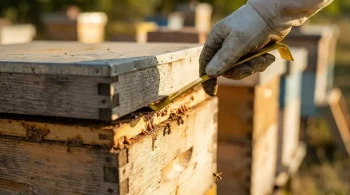
Leverage and Finesse: The Ergonomic Imperative of the Hive Tool
Discover why the 8-10 inch hive tool is the professional standard, balancing the physics of leverage with the psychological need for control.
Read more