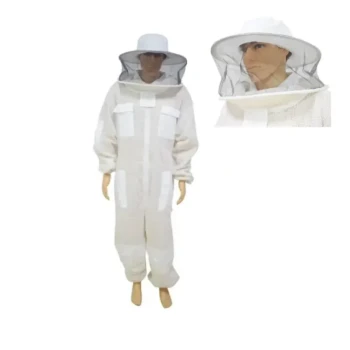
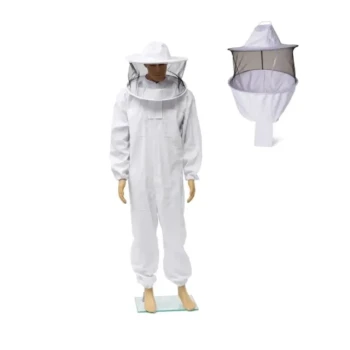
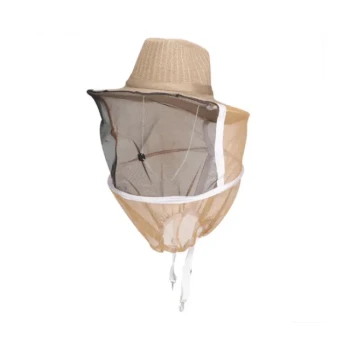
The primary advantage of ventilated beekeeping clothing is its ability to keep the beekeeper significantly cooler in hot weather without sacrificing protection from stings. This is achieved through a specialized multi-layer mesh construction that allows for superior airflow compared to traditional cotton or polyester suits.
While standard bee suits trap heat and moisture, ventilated gear is specifically engineered to solve the problem of overheating. It creates a protective, air-conditioned microclimate for the beekeeper, transforming the experience of working with bees on hot days.
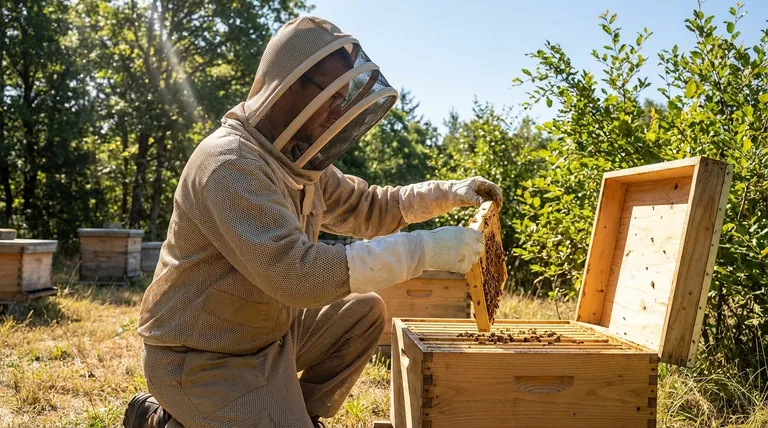
The Core Problem: Heat and Beekeeping
Why Standard Suits Feel So Hot
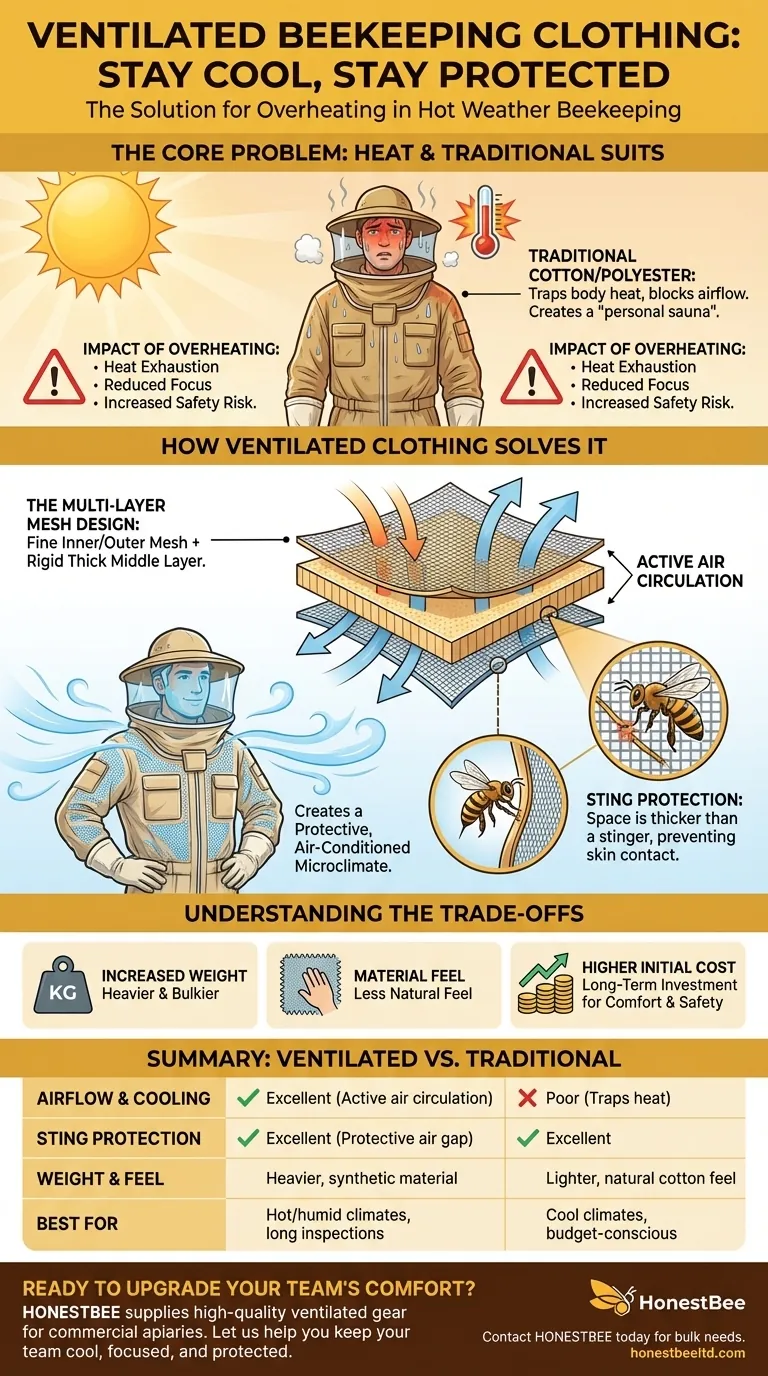
Traditional beekeeping suits are made from thick, tightly woven materials like cotton. While effective at preventing stings, this fabric also traps body heat and blocks airflow.
This creates a personal sauna effect, especially during the strenuous physical work of lifting hive boxes in direct sunlight.
The Impact of Overheating
Overheating is more than just a matter of discomfort; it's a safety concern. Heat exhaustion can impair judgment, reduce focus, and increase the risk of mistakes when handling a bee colony.
For many, the intense heat is a primary factor that can make beekeeping an unpleasant or even unsustainable hobby.
How Ventilated Clothing Solves the Problem
The Multi-Layer Mesh Design
Ventilated clothing is constructed from multiple layers of a durable polyester or vinyl mesh. Typically, a fine inner and outer mesh sandwich a much thicker, more rigid layer in between.
This layered structure creates a significant gap of air between the outer surface of the suit and your skin.
Maximizing Airflow
Unlike simple breathability, the mesh design allows air to actively circulate around your body. The slightest breeze can pass directly through the suit, providing an immediate and noticeable cooling effect that is impossible to achieve with a standard suit.
Maintaining Sting Protection
The protective genius of this design lies in its depth. The space created by the middle mesh layer is thicker than the length of a bee's stinger.
Even if a bee attempts to sting, its stinger cannot bridge the gap to reach your skin, ensuring you remain safe while benefiting from the ventilation.
Understanding the Trade-offs
Increased Weight
The multi-layer construction makes ventilated suits heavier and bulkier than their single-layer counterparts. While the cooling benefits often outweigh this, the added weight is a noticeable difference.
Material Feel
Ventilated suits are made from synthetic materials like polyester, which can feel less natural against the skin than a traditional cotton suit. Most beekeepers wear light clothing underneath for this reason.
Higher Initial Cost
As specialized equipment, ventilated suits typically represent a higher upfront investment than basic cotton suits. However, for those in warm climates, this cost is often justified by the significant improvement in comfort and safety.
Making the Right Choice for Your Goal
Deciding on ventilated gear depends entirely on your climate and personal tolerance for heat.
- If your primary focus is working in a hot or humid climate: A fully ventilated suit is the definitive choice for maintaining comfort and focus during hive inspections.
- If you are highly sensitive to heat or work for long hours: The superior cooling of ventilated gear will dramatically improve your stamina and enjoyment of the craft.
- If you primarily work in a cool climate or are on a strict budget: A traditional cotton suit remains a viable and effective option, but you will sacrifice significant comfort on warmer days.
Investing in the right protective clothing is fundamental to a safe and sustainable beekeeping practice.
Summary Table:
| Feature | Ventilated Suit | Traditional Suit |
|---|---|---|
| Airflow & Cooling | Excellent (Active air circulation) | Poor (Traps heat) |
| Sting Protection | Excellent (Protective air gap) | Excellent |
| Weight & Feel | Heavier, synthetic material | Lighter, natural cotton feel |
| Best For | Hot/humid climates, long inspections | Cool climates, budget-conscious beekeepers |
Ready to Upgrade Your Beekeeping Comfort?
For commercial apiaries and distributors, equipping your team with the right gear is essential for safety and productivity. HONESTBEE supplies high-quality, durable ventilated beekeeping suits and other essential equipment through our wholesale-focused operations.
Let us help you keep your team cool, focused, and protected.
Contact HONESTBEE today to discuss your bulk equipment needs and get a quote!
Visual Guide
Related Products
- Three-Layer Ventilated Beekeeper Suit with Structured Fencing Veil
- Premium Three Layer Ventilated Bee Suit with Round Veil
- Vented Beekeeping Jacket with Hood and Veil for Beekeepers
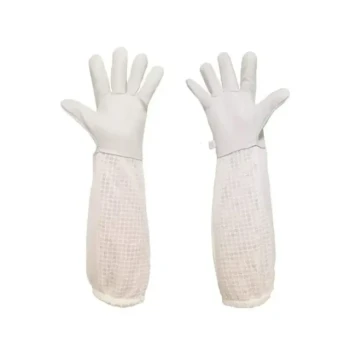
- Premium Ventilated Goatskin Beekeeping Gloves with Full 3-Layer Mesh Sleeve
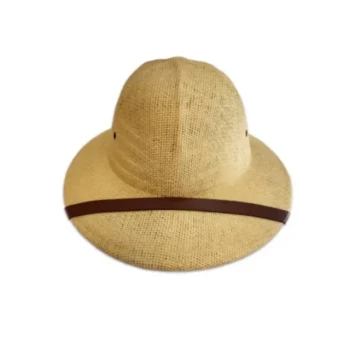
- Rigid Pith Style Beekeeper Hat for Square Folding Veils
People Also Ask
- What material and design specifications are recommended for a high-quality beekeeper suit? Top Gear Selection Guide
- What are the characteristics of a specific ventilated beekeeper's suit? Advanced Cooling & Protection for Beekeepers
- What are the advantages of a ventilated bee suit? Stay Cool and Protected During Hive Inspections
- How do ventilated bee suits improve comfort? Beat the Heat with Superior Airflow Design
- What is the primary advantage of ventilated beekeeping clothing? Stay Cool and Focused in the Apiary