Bee hive smokers are essential tools for beekeepers, used to calm honey bees during hive inspections and honey collection. Our collection includes a variety of smokers such as the Galvanized Beekeeping Smoker, known for its durability and rust resistance, and the Stainless Steel Honey Bee Smoker, which offers heat resistance and comes in multiple sizes and colors. For those seeking advanced features, the Stainless Steel Electric Beehive Smoker provides one-button operation and AA battery power. Additionally, we offer Smoker Fuel Pellets that ensure clean smoke and a sweet aroma, essential for efficient beekeeping.
Toggle Categories
Get Instant Support
Choose your preferred way to connect with our team
-
Get Free Quote Fill out form for detailed pricing
-
Send Email Detailed inquiry support
-
WhatsApp Quick mobile chat
Response Time
Within 8 hours on working days, 24 hours on holidays
bee hive smoker


Galvanized Beekeeping Smoker for Honey Bee and Apiculture
Item Number: BS-3

Economy Galvanized Beekeeping Honey Bee Smoker for Wholesale
Item Number: BS-4

European Stainless Steel Bee Smoker for Honey Bee Hive
Item Number: BS-5


54-Piece Smoker Fuel Pellets for Beekeeping Beehive Smoker Fuel
Item Number: BS-F
Why Choose Our Bee Hive Smokers?
Bee hive smokers are indispensable for managing bee colonies safely and efficiently. Our range of smokers is designed with the beekeeper in mind, offering features that enhance both safety and performance.
Key Features and Principles
Our bee hive smokers are crafted from high-quality materials such as stainless steel and galvanized metal, ensuring durability and resistance to rust. The design includes a perforated smoke pellet stand for optimal airflow and a hive mounting hook for easy storage. The 4-inch by 11-inch smoke chamber provides superior smoke generation, making it easier to calm bees during hive inspections.
The principle behind a bee smoker is simple yet effective. When bees sense smoke, they gorge themselves on honey, which makes them less likely to attack the beekeeper. Our smokers are designed to produce consistent smoke with minimal effort, allowing you to focus on your beekeeping tasks.
Advantages of Our Smokers
- Long Burning Time: Our smokers are designed to burn for extended periods, providing plenty of smoke without the need for constant refueling.
- Ease of Use: Features like one-button operation and ergonomic bellows make our smokers user-friendly, even for beginners.
- Safety: The welded metal fall and heat cage protect your hands from burns, while the clip to keep the bellows closed ensures safe storage.
- Customizable Options: We offer smokers in various sizes and colors, catering to the specific needs of different beekeepers.
Applications
Our bee hive smokers are perfect for a range of beekeeping activities, including:
- Hive Inspections: Calm bees safely during routine checks.
- Honey Harvesting: Reduce the likelihood of defensive behavior during honey collection.
- Swarm Management: Manage bee colonies effectively during swarming season.
How to Use
- Open the Top: Start by opening the top of the smoker.
- Start a Fire: Use materials like pine needles, pinecones, or wood chips to start a small fire in the cylinder.
- Add Fuel: Once the fire is started, add more fuel on top and close the lid to restrict airflow.
- Maintain Smoke: Puff the smoker once or twice every 5 minutes while working on the hive to keep the bees calm.
Professional and Customizable Services
We understand that every beekeeper has unique needs. That’s why we offer customizable services to tailor our smokers to your specific requirements. Whether you need a specific size, color, or additional features, our team is here to help.
Call to Action
Ready to enhance your beekeeping experience? Explore our range of bee hive smokers and find the perfect fit for your needs. Have questions or need a custom solution? Leave us a message and our experts will be happy to assist you. Let’s make your beekeeping journey safer and more efficient together!
FAQ
What Is A Bee Hive Smoker Used For?
A bee hive smoker is an essential tool for beekeepers, primarily used to calm honey bees during hive inspections and honey collection. It helps reduce the likelihood of bees becoming defensive, making the process safer for both the beekeeper and the bees.
What Are The Main Types Of Bee Hive Smokers?
Bee hive smokers come in various types, including galvanized smokers, stainless steel smokers, and electric smokers. They are designed with features like rust resistance, heat resistance, and ease of use, catering to different needs and preferences of beekeepers.
How Does A Bee Hive Smoker Work?
A bee hive smoker works by producing smoke from materials like cardboard, pellets, or pine needles. When bees sense the smoke, they gorge themselves on honey and become less likely to attack. The smoker is operated by starting a small fire inside the cylinder, adding fuel, and puffing the smoker to maintain smoke during hive inspections.
What Are The Advantages Of Using A Bee Hive Smoker?
The advantages of using a bee hive smoker include calming bees effectively, reducing the risk of defensive behavior, and making hive inspections safer and more efficient. High-quality smokers are durable, provide consistent smoke, and often come with additional features like smoke pellets and safety clips.
What Features Should I Look For In A Bee Hive Smoker?
When choosing a bee hive smoker, look for features such as polished and welded stainless steel construction, a heat cage for safety, a perforated smoke pellet stand for optimal airflow, and a hive mounting hook for easy storage. These features ensure durability, efficiency, and ease of use during beekeeping activities.
REQUEST A QUOTE
Our professional team will reply to you within one business day. Please feel free to contact us!
Related Articles
How to Choose Beekeeping Tools: A Practical Guide for Every Budget and Climate
Learn how to choose the best beekeeping tools for your budget and climate, from protective gear to hive management essentials.
Read more
How Precision-Engineered Beeswax Sheets Boost Hive Health and Honey Production
Discover how precision-engineered beeswax sheets enhance hive health, boost honey production, and reduce beekeeping costs with uniform cell depth.
Read more
How Commercial Beekeepers Balance Honey Production and Hive Health in Summer
Learn how commercial beekeepers maximize honey production while maintaining hive health during summer with expert strategies on nectar flow, thermal regulation, and mite control.
Read more
Why Your Bee Brush Might Be Costing You Honey—And the Professional's Approach to a Calmer, More Productive Apiary
Discover why overusing a bee brush agitates hives and hurts your yield. Learn the professional technique for calmer inspections and more efficient harvests.
Read more
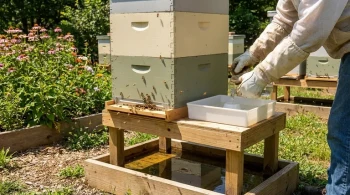
How Beekeepers Can Prevent Pest Infestations in Honey Bee Feeders
Learn actionable strategies for beekeepers to prevent pest infestations in honey bee feeders through design, placement, and maintenance.
Read more

Optimizing Bee Nutrition: The Science Behind Seasonal Syrup Ratios
Learn the science behind seasonal bee syrup ratios to optimize hive health year-round. Tailor feeding strategies for spring and fall.
Read more
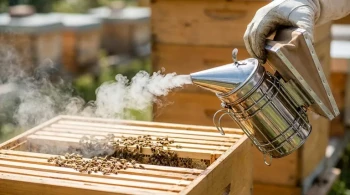
Why Your Bee Smoker Is Making Your Hives More Aggressive—And How to Fix It
Struggling with aggressive hives? Your smoker technique is likely the problem. Learn why cool, white smoke is key and how the right tools prevent agitation.
Read more
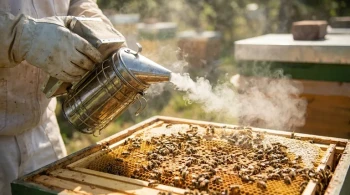
The Signal and the Noise: Why a Bee Smoker Calms, Not Coerces
A bee smoker doesn't force bees out; it masterfully hijacks their communication and survival instincts. Understanding this is key to safe beekeeping.
Read more
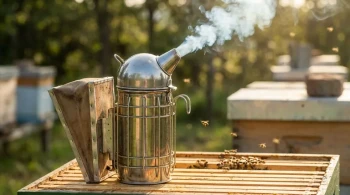
More Than Smoke: The Bee Smoker as a Tool of Trust and Control
A bee smoker isn't just a tool; it's a communication device. This guide deconstructs its engineering to reveal how material choice impacts hive safety.
Read more
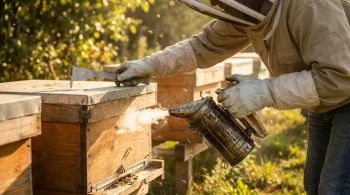
Why Your Bee Smoker Might Be Making Your Hives More Aggressive—And How to Fix It
Stop fighting aggressive hives. Learn the science of bee communication and why your smoker technique—and tool—is the key to calm, productive, and profitable apiaries.
Read more
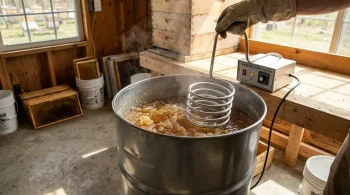
More Than Melting: Why Your Honey Heating Method Is Silently Costing You Money
Learn why common honey heating methods can damage quality and hurt profits. Discover the right equipment to protect your honey's value and scale your business.
Read more
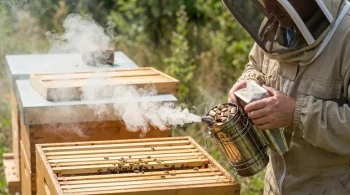
The Art of Cool Smoke: Why Bee Smoker Fuel is a System, Not Just a Substance
Mastering the bee smoker is not about fire, but about engineering cool, dense smoke. Learn the two-part fuel system for calmer, safer hive inspections.
Read more
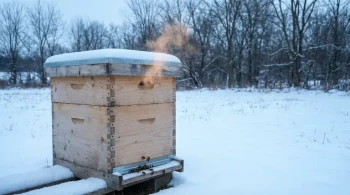
The Paradox of Warmth: Why a Beehive Must Breathe to Survive Winter
An insulated hive traps moisture, a silent killer. Proper ventilation is not about temperature, but managing condensation for colony survival.
Read more
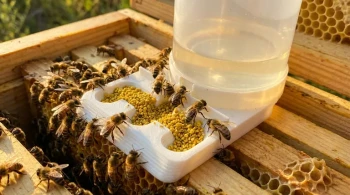
How Brood Behavior Reveals When to Feed Bees to Prevent Summer Migration
Learn how nurse bee behavior signals pollen dearth and prevents summer migration with timed nutritional interventions for beekeepers.
Read more
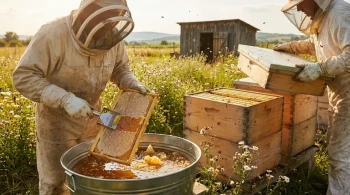
How Bees Manage Sugar During Brood Nest Expansion: Optimizing Hive Productivity
Learn how honeybees relocate sugar during brood nest expansion and discover beekeeping strategies to optimize hive productivity and honey yield.
Read more

Why Your Commercial Apiary Needs More Than Sunshine to Melt Wax (and What to Use Instead)
Discover why solar wax melters fall short for commercial beekeepers and how electric melters efficiently transform cappings into profit. Learn more from HONESTBEE.
Read more
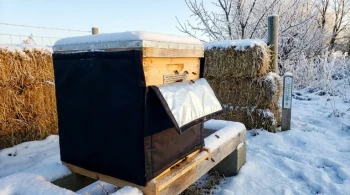
How to Optimize Beehive Insulation: A Data-Driven Guide for Beekeepers
Learn data-driven beehive insulation strategies to reduce winter losses while preventing moisture damage. Tailor insulation to colony strength and climate.
Read more
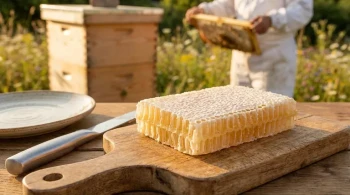
Why Your Comb Honey Isn't Commanding Premium Prices – And How to Achieve Perfection
Discover the secrets to producing pristine comb honey that sells for a premium. Learn why common practices fall short and how specialized equipment from HONESTBEE makes all the difference.
Read more
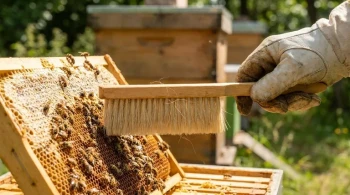
Gentleness Has a Price: The Engineering Trade-off in Bee Brushes
A horsehair bee brush sheds not due to a flaw, but as a trade-off for its superior gentleness. Understand the material science behind your choice.
Read more
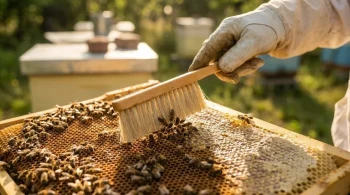
The Beekeeper's Dilemma: The Gentle Force of a Bee Brush
A bee brush seems simple, but its use is a delicate negotiation with the hive. Mastering it means understanding bee psychology and hive dynamics.
Read more