The primary benefits of properly fitting beekeeping gloves are a crucial balance of sting protection, manual dexterity, and comfort. A correct fit ensures there are no gaps for bees to enter while allowing you to handle delicate frames and tools with precision, transforming the gloves from a clumsy barrier into an essential piece of safety equipment.
Ill-fitting beekeeping gloves are not just an inconvenience; they are a safety and operational liability. The right fit is the determining factor that elevates a pair of gloves from a simple shield to a functional tool that enhances your confidence, control, and overall effectiveness as a beekeeper.
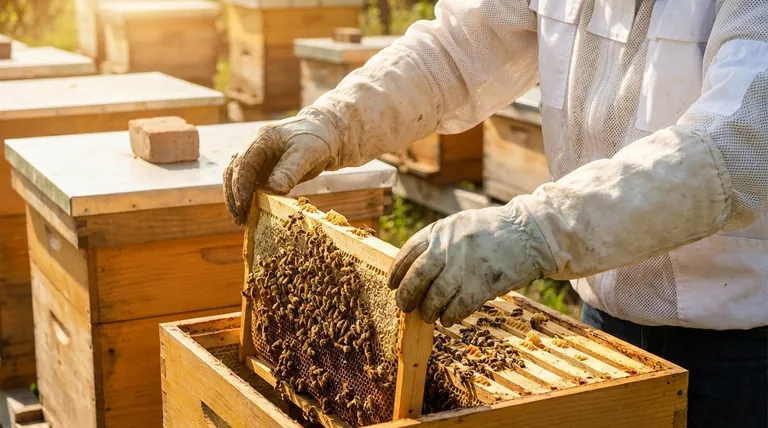
The Pillars of a Proper Glove Fit
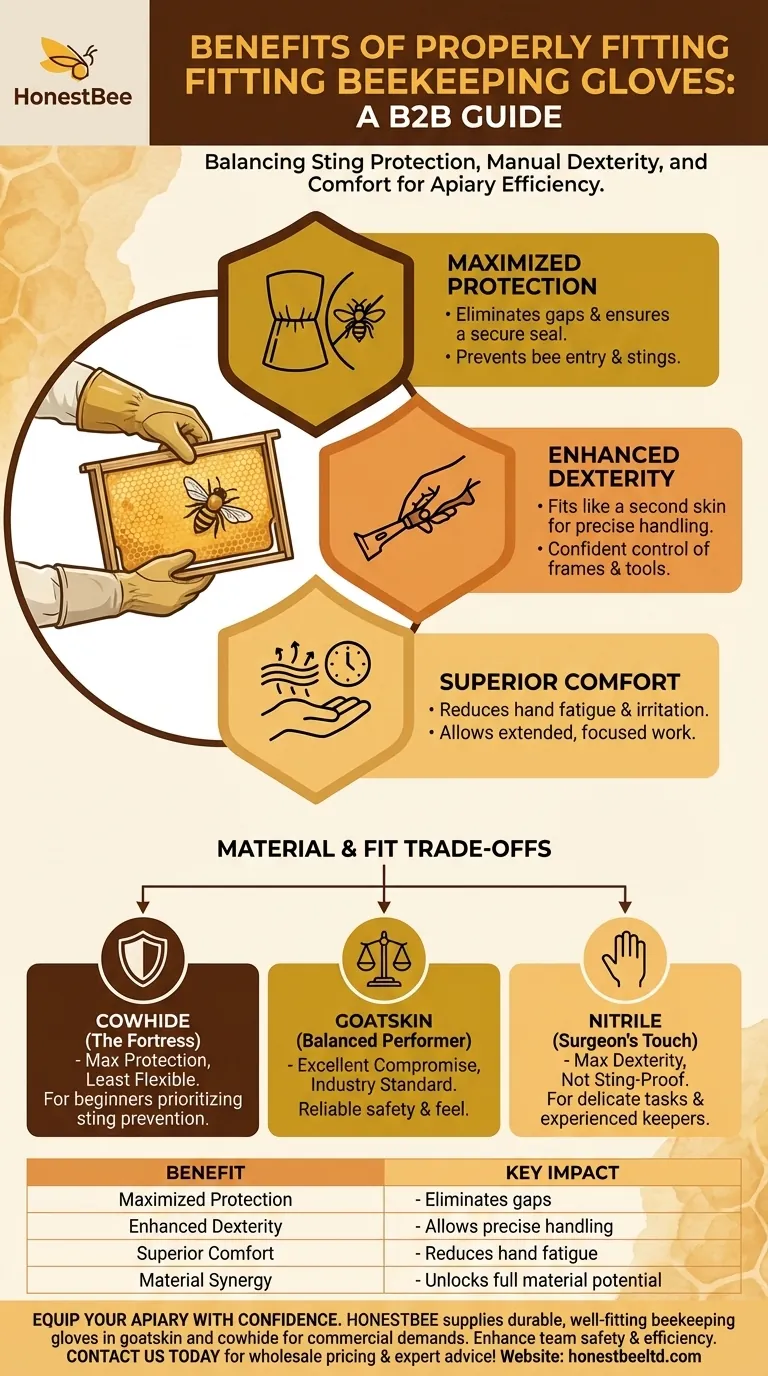
A well-chosen glove directly impacts every action you take within the hive. The benefits of a proper fit can be broken down into three core areas: protection, dexterity, and comfort.
Maximizing Protection from Stings
A snug fit is your first line of defense. Gloves that are too loose can create gaps at the cuff, offering an entry point for bees to crawl inside your suit.
Properly sized gloves ensure the cuff's elastic can form a tight seal with your bee suit or jacket, providing complete coverage for your hands and forearms.
Enhancing Dexterity and Control
Beekeeping requires a delicate touch. Ill-fitting gloves with excess material at the fingertips or palm can snag on frames, roll bees, or make you drop your tools.
A glove that fits like a second skin allows you to perform precise movements, such as inspecting brood frames, marking a queen, or manipulating hive components, with confidence and ease.
Ensuring Comfort for Longer Work
Working in a hive can take time, and discomfort is a major distraction. Gloves that are too tight can restrict circulation and cause hand fatigue quickly.
Conversely, gloves that are too loose require constant readjustment. A comfortable, breathable glove allows you to focus entirely on the bees for extended periods without irritation.
Understanding the Trade-offs: Material and Fit
The ideal fit is inseparable from the glove's material. Each material offers a different balance between protection and dexterity, which you must weigh against your needs.
Cowhide Leather: The Fortress
Cowhide provides the most robust protection against stings but is also the thickest and least flexible material.
This can make delicate work more challenging. It's often favored by beginners who prioritize sting prevention above all else.
Goatskin Leather: The Balanced Performer
Goatskin is thinner and more supple than cowhide, offering an excellent compromise between sting protection and dexterity.
This material is the most common choice for beekeepers of all levels because it provides reliable safety without sacrificing too much feel and control.
Nitrile Gloves: The Surgeon's Touch
Nitrile gloves are not sting-proof, but their thinness can reduce the likelihood of a bee embedding its stinger.
Their primary advantage is maximum dexterity, equivalent to working barehanded. They are best suited for experienced keepers with calm hives or for quick, delicate tasks.
Making the Right Choice for Your Goal
Your choice of glove should be a deliberate decision based on your priorities and the temperament of your bees.
- If your primary focus is maximum protection: Choose a well-fitting cowhide leather glove, accepting the trade-off in fine motor control.
- If your primary focus is balanced safety and functionality: A snug pair of goatskin gloves is the industry standard and the best all-around choice.
- If your primary focus is dexterity for delicate tasks: Consider using nitrile gloves for specific jobs, but fully understand and accept the increased risk of stings.
Ultimately, the right pair of gloves is a fundamental investment in your confidence and competence as a beekeeper.
Summary Table:
| Benefit | Key Impact |
|---|---|
| Maximized Protection | Eliminates gaps to prevent bees from entering, ensuring a secure seal. |
| Enhanced Dexterity | Allows for precise handling of frames and tools, like a second skin. |
| Superior Comfort | Reduces hand fatigue and irritation for extended, focused hive inspections. |
| Material Synergy | A proper fit unlocks the full potential of your chosen glove material (e.g., goatskin, cowhide). |
Equip your apiary with confidence. HONESTBEE supplies durable, well-fitting beekeeping gloves in materials like goatskin and cowhide, designed for the demands of commercial beekeepers and distributors. Enhance your team's safety and efficiency—contact us today for wholesale pricing and expert advice!
Visual Guide
Related Products
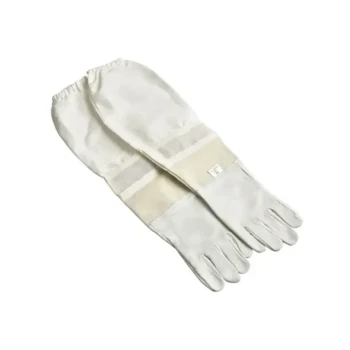
- Beekeeping Gloves Goatskin Leather with Long Cotton Sleeve for Beekeepers
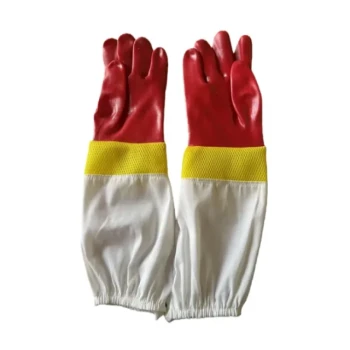
- Heavy Duty Red Rubber Beekeeping Gloves with Vented Mesh Cotton Sleeves
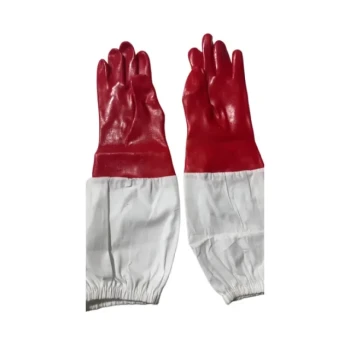
- Heavy Duty Red Rubber Beekeeping Gloves with Extended Pure Cotton Sleeves for Beekeepers
- Goatskin Leather Beekeeper Gloves with Vent Long Sleeve for Beekeeping Honey Bee Sting Proof Protection
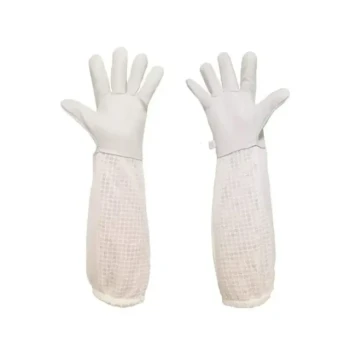
- Premium Ventilated Goatskin Beekeeping Gloves with Full 3-Layer Mesh Sleeve
People Also Ask
- What are the characteristics of the best gloves for beekeeping? Choose Protection & Dexterity
- What are the primary purposes of using beekeeping gloves? Protect Your Hands and Ensure Apiary Hygiene
- What types of gloves are available for beekeeping? Choose the Right Protection for Your Hive
- Why is it important for beekeepers to wear gloves? Essential Safety and Confidence for Hive Management
- Why do some experienced beekeepers opt not to wear gloves? Discover the Benefits of Tactile Precision