A sliding wooden collection tray fundamentally changes the mechanics of pollen sampling by prioritizing accessibility and speed. Its primary advantage is the ability to retrieve samples for weighing without dismantling the entire trap setup, making it the superior choice for researchers and beekeepers who require frequent data points without disrupting the hive.
The drawer-style design decouples sample retrieval from trap structure, enabling you to maintain a continuous stream of data while significantly reducing the labor required for each collection event.
Maximizing Operational Efficiency
Streamlined Sample Retrieval
The core benefit of the sliding tray is its drawer-style mechanism. It allows you to remove the pollen sample instantly, eliminating the cumbersome steps usually associated with accessing the collection zone.
Eliminating Disassembly
Traditional traps often require you to unclip, unscrew, or dismantle the main unit to access the harvest. A sliding tray removes the need for trap disassembly, saving valuable time during fieldwork.
Enabling High-Frequency Collection
Because retrieval is effortless, this design supports high-frequency data collection. You can sample multiple times a day or daily with minimal overhead, which is often unfeasible with static trap designs.
Preserving Data Integrity and Colony Health
Minimizing Colony Disturbance
Bees are sensitive to vibrations and structural manipulation. Because the main body of the trap remains fixed while the tray slides out, you can collect samples without significantly disturbing the bee colony.
Maintaining Temporal Continuity
Disruptive sampling methods can alter foraging behavior, creating gaps or anomalies in your data. By keeping the hive calm and the trap functional during collection, you ensure temporal continuity in your sampling timeline.
Improving Measurement Accuracy
The design facilitates easy removal for weighing. This allows for precise, immediate measurement of pollen influx without the risk of spillage or loss that occurs when manipulating complex trap components.
Understanding the Trade-offs
Material Limitations
While the sliding mechanism is efficient, the wooden construction introduces potential variables. Wood is hygroscopic, meaning it absorbs moisture from the air or rain.
Friction and Swelling
In high-humidity environments, a wooden tray may swell. This can cause the sliding mechanism to bind or create friction, potentially making the "easy retrieval" more difficult compared to synthetic materials.
Making the Right Choice for Your Goal
To determine if a sliding wooden tray is the right tool for your specific application, consider your primary objectives:
- If your primary focus is scientific research: This design is essential for maintaining strict temporal continuity and gathering high-resolution data sets.
- If your primary focus is commercial production: The time saved by avoiding disassembly will significantly lower your labor costs during harvest rounds.
By reducing the friction between the data collector and the hive, the sliding tray converts a complex mechanical task into a simple, non-intrusive routine.
Summary Table:
| Feature | Benefit for Beekeepers & Researchers |
|---|---|
| Drawer-Style Design | Enables instant sample retrieval without dismantling the trap. |
| Non-Intrusive Access | Minimizes colony disturbance and preserves natural foraging behavior. |
| High-Frequency Sampling | Supports daily or multi-day data collection with minimal labor. |
| Wooden Construction | Provides a natural, breathable environment for pollen samples. |
| Operational Speed | Significantly reduces time spent per hive during harvest or study. |
Elevate Your Apiary Operations with HONESTBEE
Are you looking to streamline your pollen collection or scale your commercial beekeeping business? HONESTBEE is your dedicated partner, providing professional-grade beekeeping tools, specialized machinery, and essential consumables designed for commercial apiaries and global distributors.
From sliding collection trays and hive-making hardware to advanced honey-filling machines and cultural merchandise, we offer the full spectrum of equipment to optimize your productivity and data accuracy.
Ready to upgrade your equipment? Contact us today to discuss our comprehensive wholesale offerings and discover how our expertise can support your growth in the beekeeping industry.
References
- H. Fathy, E. Salem. Effect of some Climatic Factors on Daily Activity of Pollen Gathering by Honeybee Apis mellifra L. during Spring and Summer Season. DOI: 10.21608/jppp.2018.44090
This article is also based on technical information from HonestBee Knowledge Base .
Related Products
- Removable Plastic Pollen Trap With Ventilated Tray for Bees Pollen Collector
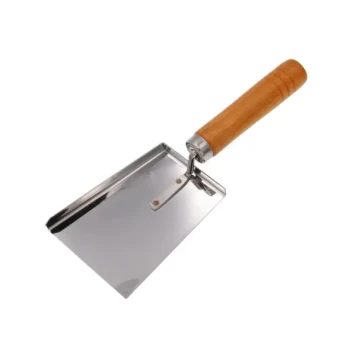
- Stainless Steel Pollen Shovel with Wooden Handle
- Multi-Functional Sliding Hive Entrance for Beekeeping
- 30 cm Plastic Entrance Hole Bee Pollen Trap and Collector
People Also Ask
- What are the design principles and advantages of pollen traps in the collection of bee pollen? Boost Your Apiary Yield
- What is the function of professional pollen traps in evaluating honey plants? Quantifying Pollination and Crop Potential
- What functions do pollen traps serve for bee bread production? Optimize Your Raw Material Collection
- What maintenance and pest prevention measures should be taken for pollen traps? Protect Your Hive and Harvest Quality
- How does the use of pollen traps in honeybee hives enhance crop fertilization? Boost Your Yield Through Induced Activity