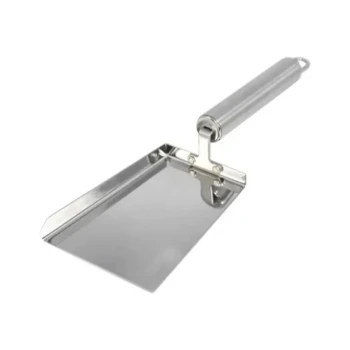
Pollen patties are a supplemental feed characterized by a dough-like consistency, achieved by mixing protein substitutes with sugar syrup. To be effective, they must be applied directly inside the hive within the brood nest area, ensuring bees have immediate access to the protein required for growth when natural resources are unavailable.
The primary value of a pollen patty is its ability to stimulate brood production during periods of pollen scarcity. However, its effectiveness is entirely dependent on maintaining a soft physical consistency; if the patty dries out due to hive heat, the bees cannot consume it.
The Composition and Purpose
Dough-Like Consistency
Pollen patties are not naturally occurring; they are a man-made mixture. By combining protein substitutes with sugar syrup, beekeepers create a dough that mimics the texture bees can easily manipulate and consume.
Nutritional Function
The core function of this feed is to provide essential nutrients, specifically protein. This is the building block required for brood rearing. When natural pollen is scarce, these patties act as a critical stopgap to prevent population decline or to jumpstart colony growth.
Strategic Application Methods
Placement in the Brood Nest
Application is not about simply placing food inside the hive box. You must place the patty specifically within the brood nest area.
Ensuring Direct Access
Placing the feed in the brood nest reduces the distance nurse bees must travel. This direct access creates an efficient feeding cycle, allowing the colony to convert the protein into new brood production more rapidly than if the feed were placed at the hive's periphery.
Managing Moisture and Palatability
The Challenge of Hive Heat
Internal hive temperatures are typically high. Without intervention, this heat causes the moisture in the sugar syrup to evaporate rapidly. This transforms the soft dough into a hard, unpalatable solid that bees cannot eat.
The Plastic Barrier Solution
To prevent hardening, you should use a plastic sheet as a covering over the patty. This serves as a moisture barrier, trapping humidity within the dough.
Maintaining Palatability
The plastic covering ensures the feed remains soft and moist throughout the feeding cycle. This prevents nutritional deficiencies that occur not because of a lack of food, but because the physical quality of the food has degraded.
Understanding the Trade-offs
Application Effort vs. Direct Intake
While pollen substitutes can be provided as a dry powder, patties offer a more concentrated delivery method. The trade-off is that patties require more precise management (mixing and placement) compared to dry feeding, but they offer higher certainty that the nutrients are reaching the brood.
The "All or Nothing" Risk
Patties have a specific failure mode: desiccation. If you apply the patty without a moisture barrier, the effort is largely wasted. The feed becomes useless once hard, requiring the beekeeper to clean out the waste and re-apply fresh feed.
Making the Right Choice for Your Colony
Success with pollen patties comes down to placement and physical consistency.
- If your primary focus is stimulating brood production: Place the patties directly in the brood nest area to ensure nurse bees have immediate access to the protein.
- If your primary focus is maximizing feed efficiency: Always cover the patties with a plastic sheet to prevent evaporation and ensure the entire portion remains edible.
By treating the moisture barrier as an essential part of the application process, you ensure your investment in feed translates directly into colony health.
Summary Table:
| Feature | Key Characteristic | Application Benefit |
|---|---|---|
| Consistency | Soft, dough-like mixture | Easy for bees to consume and manipulate |
| Placement | Directly within the brood nest | Direct access for nurse bees to feed the brood |
| Moisture Control | Plastic sheet covering | Prevents hardening/drying due to hive heat |
| Primary Goal | Protein supplementation | Stimulates colony growth during pollen scarcity |
Maximize Your Colony Growth with HONESTBEE
At HONESTBEE, we understand that large-scale beekeeping requires precision and the right tools. Whether you are a commercial apiary looking to scale brood production or a distributor seeking high-quality consumables, we provide the comprehensive wholesale solutions you need.
Our extensive portfolio includes:
- Advanced Machinery: From hive-making to honey-filling machines.
- Essential Consumables: Premium beekeeping tools and hardware designed for durability.
- Wholesale Support: Tailored offerings for industry leaders and growing distributors.
Don't let nutritional gaps slow down your operations. Contact HONESTBEE today to discover how our professional equipment and industry expertise can streamline your beekeeping business and enhance hive health!
Related Products
- Heavy-Duty Ergonomic Stainless Steel Pollen Shovel
- Heavy-Duty Ergonomic Grip Galvanized Pollen Shovel
- Stainless Steel Pollen Shovel with Wooden Handle
- Removable Plastic Pollen Trap With Ventilated Tray for Bees Pollen Collector
- Plastic Bee Pollen Trap Strips Comb Catcher Collector
People Also Ask
- How is pollen cleaned after it has been dried? Master Efficient Separation for Pure Bee Pollen
- What methods are used to clean harvested bee pollen? Scale Your Beekeeping Operations with the Right Technique
- How can harvested bee pollen be cleaned to remove impurities? Efficient Methods for Commercial and Hobbyist Beekeepers
- How do bee pollen collection tools affect the quality of bee pollen used in functional dairy ice cream production?
- What is the technical significance of using specialized cutting tools for propolis? Master Precision Pollen Harvesting