Cleaning harvested bee pollen requires a methodical approach to separate pure granules from the inevitable hive debris that accompanies collection. The process ranges from simple visual inspection for small batches to mechanical separation for larger yields. Whether using manual tools like tweezers or automated airflow systems, the goal is to remove contaminants such as beetles, bee parts, and wings to ensure a clean final product.
Effective pollen cleaning balances precision with volume; while manual screening ensures a pristine final product for small batches, commercial operations rely on airflow and agitation to separate lightweight debris from denser pollen granules efficiently.
The Manual Cleaning Process
For hobbyists or small-scale beekeepers, manual cleaning is the most accessible method. It relies on keen eyesight and simple tools to ensure purity.
Spreading the Harvest
Begin by taking the bulk harvested pollen and spreading it out. Use a screen or a flat tray to create a thin, even layer. This step is critical because it prevents debris from hiding underneath layers of pollen granules.
Visual Identification
Once spread, scan the material for foreign objects. Common impurities you must look for include beetles, dead bees, wings, and other hive waste. Visual inspection ensures that even small fragments are identified before packaging.
Precision Removal
For the actual removal of these impurities, tweezers are the recommended tool. They allow you to pick out specific debris without crushing the delicate pollen pellets or contaminating the surrounding area with oils from your fingers.
Commercial-Scale Cleaning
When dealing with bulk quantities where manual picking is too slow, mechanical principles are applied. These methods mimic agricultural seed cleaning techniques.
The Agitation Principle
Commercial methods move beyond static trays and introduce motion. Agitation shakes the harvest, helping to dislodge debris that may be stuck to the pollen or trapped within clumps.
Airflow Separation
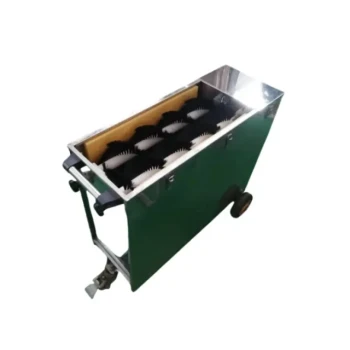
This method utilizes a fan in conjunction with agitation. The physics here are similar to cleaning seeds: the airflow is calibrated to be strong enough to blow away lightweight impurities. Lighter debris, such as insect wings and dust, is blown out of the stream, while the heavier, denser pollen granules fall into a collection container.
Understanding the Trade-offs
Every cleaning method involves a compromise between speed, cost, and precision.
Labor vs. Volume
Manual cleaning on a tray provides the highest assurance of purity because every inch is inspected by the human eye. However, this process is incredibly time-consuming and creates a bottleneck if you are harvesting significantly large amounts of pollen.
Equipment vs. Accuracy
Fan and agitation systems drastically reduce labor hours. The trade-off is the need for equipment calibration; if the airflow is too strong, you risk blowing away valuable pollen along with the waste.
Choosing the Right Method for Your Yield
Select your cleaning approach based on the volume of pollen you need to process and your available equipment.
- If your primary focus is small-batch purity: Use the flat tray and tweezer method to visually inspect and manually remove all debris.
- If your primary focus is commercial volume: Implement a mechanical system using fans and agitation to rapidly separate lightweight waste from the heavier pollen.
By matching the cleaning method to your harvest size, you ensure a pure, high-quality product without unnecessary labor.
Summary Table:
| Cleaning Method | Scale of Operation | Key Tools Used | Primary Advantage |
|---|---|---|---|
| Manual Screening | Hobbyist / Small Scale | Trays, Tweezers | Maximum purity and precision |
| Airflow Separation | Commercial / Large Scale | Fans, Blowers | High-speed processing of bulk volume |
| Mechanical Agitation | Commercial / Medium Scale | Shakers, Sifters | Dislodges debris from dense granules |
| Visual Inspection | All Scales | High-intensity lighting | Final quality control check |
Elevate Your Bee Product Quality with HONESTBEE
Maintaining the purity of your harvest is essential for commercial success. HONESTBEE empowers commercial apiaries and global distributors with professional-grade solutions. Whether you need specialized machinery for pollen processing or high-efficiency honey-filling equipment, our comprehensive wholesale offering is designed to scale your operations.
Our value to you:
- Full Spectrum Supply: From hive-making machines to essential industry consumables.
- Commercial Expertise: Tailored equipment for large-scale production and honey-themed cultural merchandise.
- Global Distribution: Reliable sourcing for beekeeping tools and hardware.
Ready to upgrade your apiary’s efficiency? Contact us today to explore our wholesale catalog!
Related Products
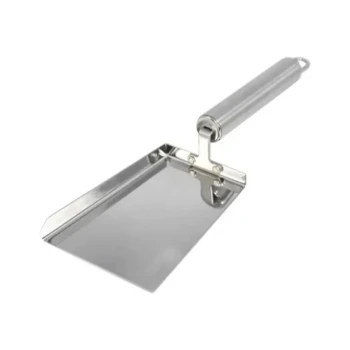
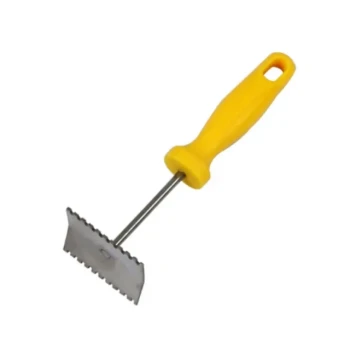
- Heavy-Duty Ergonomic Stainless Steel Pollen Shovel
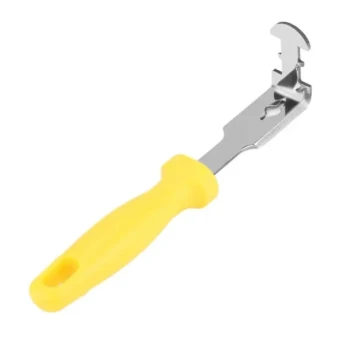
- Heavy-Duty Ergonomic Grip Galvanized Pollen Shovel
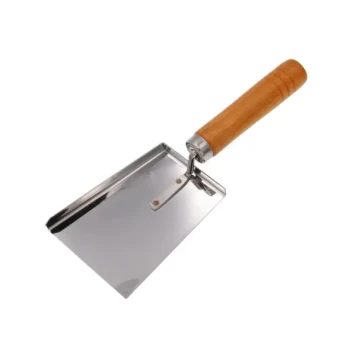
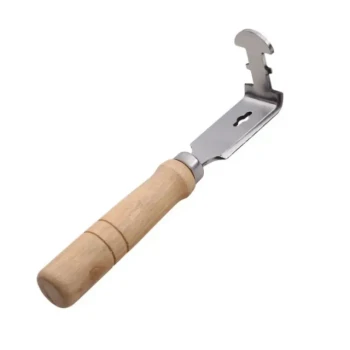
- Stainless Steel Pollen Shovel with Wooden Handle
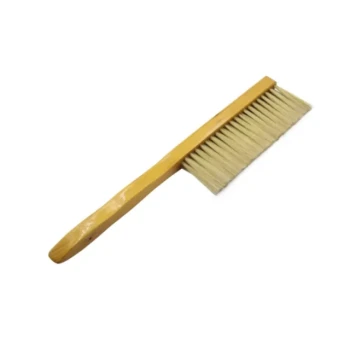
- Wooden Bee Brush with Triple Row Artificial Fiber for Beekeeping
- Plastic Bee Pollen Trap Strips Comb Catcher Collector
People Also Ask
- How is pollen cleaned after it has been dried? Master Efficient Separation for Pure Bee Pollen
- What methods are used to clean harvested bee pollen? Scale Your Beekeeping Operations with the Right Technique
- How do bee pollen collection tools affect the quality of bee pollen used in functional dairy ice cream production?
- What is the technical significance of using specialized cutting tools for propolis? Master Precision Pollen Harvesting
- Why should commercial apiaries focus on the collection of diversified bee products? Maximize Your Hive’s Profit Potential