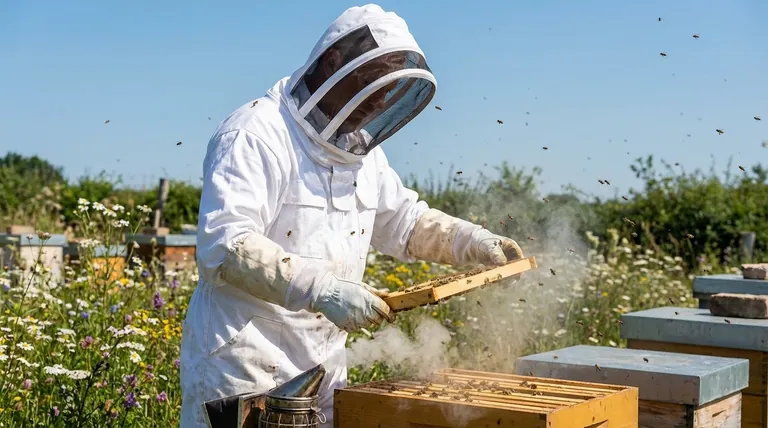
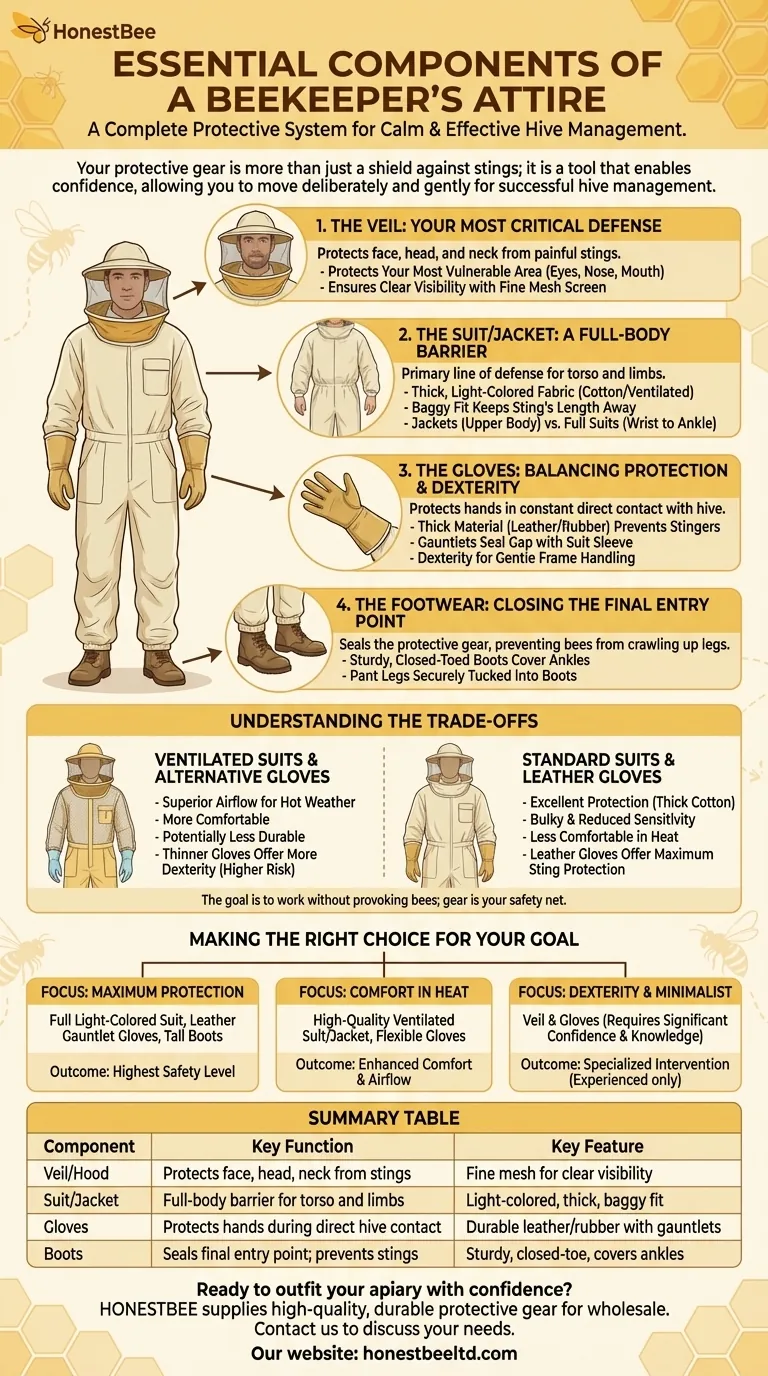
The essential components of a beekeeper's attire are a protective veil or hood, a full-body suit or jacket, specialized gloves, and closed-toed boots. This combination is designed as a complete system to prevent bee stings while allowing you to work with your hives calmly and effectively. Each piece serves a specific function in sealing potential entry points and protecting vulnerable areas.
Your protective gear is more than just a shield against stings; it is a tool that enables confidence. By removing the fear of being stung, the right attire allows you to move deliberately and gently, which is the key to successful and calm hive management.
The Veil: Your Most Critical Defense
A proper veil is non-negotiable for any beekeeper, regardless of experience level. It protects your face, head, and neck, where stings are most painful and dangerous.
Protecting Your Most Vulnerable Area
Bees are naturally drawn to the carbon dioxide you exhale, which means they often investigate your face. A veil provides a secure barrier against this, preventing stings near your eyes, nose, and mouth.
Ensuring Clear Visibility
Modern veils use a fine mesh screen that offers excellent visibility. This is crucial for inspecting frames, identifying the queen, and spotting signs of disease or pests within the hive.
The Suit: A Full-Body Barrier
The bee suit or jacket is your primary line of defense for your torso and limbs. Its design is based on simple principles of bee behavior.
Why Material and Fit Matter
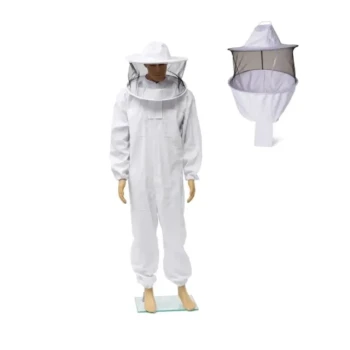
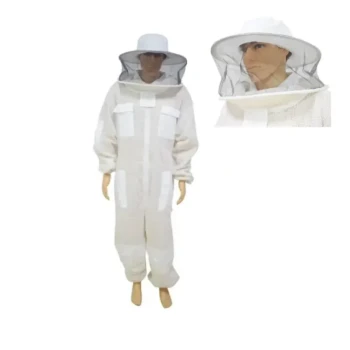
Beekeeping suits are typically made of thick, light-colored cotton or ventilated synthetic fabric. The light color is less threatening to bees than dark colors, and the thick, baggy fit keeps a sting's length away from your skin.
Jackets vs. Full Suits
A beekeeping jacket is a popular option that covers the upper body and is often zipped directly to a veil. For complete protection, especially for beginners, a full-body suit that covers you from wrist to ankle is the recommended standard.
The Gloves: Balancing Protection and Dexterity
Beekeeping gloves are designed to protect your hands, which are in constant, direct contact with the hive components.
The Need for Thick Material
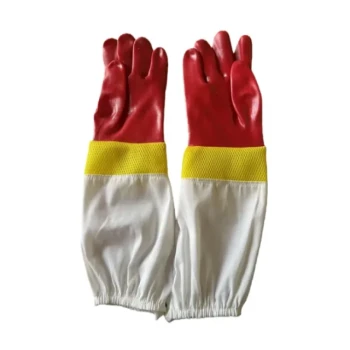
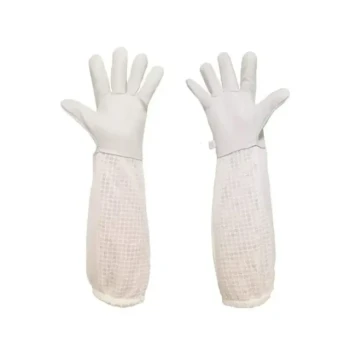
Gloves are typically made from thick leather or durable rubber to prevent stingers from penetrating through to the skin. Gauntlets extend up the forearm, ensuring there is no gap between the glove and the suit sleeve.
Handling Frames with Care
While thick material is essential for protection, the gloves must also be flexible. You need enough dexterity to gently lift frames, handle tools, and avoid crushing bees, which can release alarm pheromones.
The Footwear: Closing the Final Entry Point
Your choice of footwear completes the seal of your protective gear, ensuring bees cannot crawl up your legs.
The Importance of Ankle Support
Sturdy, closed-toed boots that cover your ankles are the minimum requirement. This prevents stings to your feet and provides stability when working on uneven ground.
Securing the Pant Legs
To create a complete barrier, the pant legs of your bee suit must be tucked securely into your boots. Many suits come with elastic cuffs to make this easier, preventing any bees from gaining access from the ground up.
Understanding the Trade-offs
Choosing the right gear involves balancing absolute protection with comfort and mobility, especially in varying climates.
Ventilated vs. Standard Suits
Ventilated suits offer superior airflow and are significantly more comfortable in hot weather. However, they are often more expensive and can be slightly less durable than standard thick cotton suits.
Leather vs. Alternative Gloves
Traditional leather gloves offer excellent protection but can be bulky and reduce sensitivity. Some beekeepers opt for thinner nitrile or rubber gloves for tasks requiring more dexterity, accepting a higher risk of stings.
Building Confidence vs. Becoming Complacent
While essential for safety, relying too heavily on gear can make a beekeeper less gentle. The ultimate goal is to work in a way that doesn't provoke the bees in the first place. Your gear is the safety net that allows you to learn how.
Making the Right Choice for Your Goal
Your ideal setup depends on your comfort level, climate, and beekeeping philosophy.
- If your primary focus is maximum protection: Choose a full, light-colored, non-ventilated suit, leather gauntlet gloves, and tall boots that you can securely tuck your suit into.
- If your primary focus is comfort in a hot climate: Invest in a high-quality ventilated full suit or jacket, and consider more flexible gloves for quick inspections.
- If your primary focus is dexterity and minimalist intervention: Experienced beekeepers may opt for just a veil and gloves, but this requires significant confidence and a deep understanding of bee behavior.
Ultimately, the right attire is the one that allows you to be a calm, confident, and effective caretaker of your colonies.
Summary Table:
| Component | Key Function | Key Feature |
|---|---|---|
| Veil/Hood | Protects face, head, and neck from stings | Fine mesh for clear visibility |
| Suit/Jacket | Full-body barrier for torso and limbs | Light-colored, thick, baggy fit |
| Gloves | Protects hands during direct hive contact | Durable leather/rubber with gauntlets |
| Boots | Seals the final entry point; prevents stings | Sturdy, closed-toe, covers ankles |
Ready to outfit your apiary with confidence? HONESTBEE supplies commercial apiaries and beekeeping equipment distributors with high-quality, durable protective gear through our wholesale-focused operations. Our full range of attire is designed to keep you safe and efficient, allowing for calm and effective hive management. Contact our team today to discuss your wholesale needs and get the right gear for your beekeeping goals.
Visual Guide
Related Products
- Professional Cotton Beekeeper Suit with Round Veil Design for Commercial Apiaries
- Professional Beekeeper Suit with Square Folding Cotton Veil
- Premium Cotton Beekeeper Suit with Reinforced Fencing Veil
- White Cotton Beekeeping Jacket and Veil for Bee Keepers
- Professional Beekeeping Suit for Kids and Girls Childrens Bee Keeper Suit
People Also Ask
- What material and design specifications are recommended for a high-quality beekeeper suit? Top Gear Selection Guide
- How to Pre-treat Propolis Stains on Beekeeping Suits? Master Advanced Fabric Care and Soil Removal
- Why is it important to keep a beekeeping suit clean? Essential Safety & Maintenance Tips
- Is it generally safe to wash a beekeeping suit in a washing machine? Maintain Your Safety Gear Properly
- What are the primary functional requirements for a beekeeping suit to ensure user safety? Professional Sourcing Guide