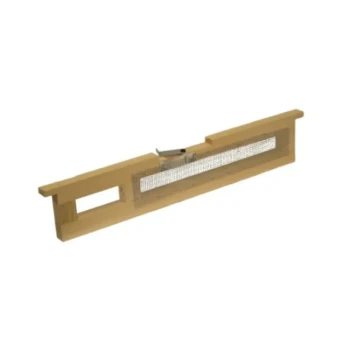
Elevated wooden grid structures provide critical protection and operational efficiency for apiaries by separating hives from ground-level hazards. Functionally, they extend equipment life by preventing moisture-induced rot, stabilize the internal hive climate through better airflow, and secure the hives against wind. Additionally, they significantly improve the ergonomics and convenience of daily inspections for the beekeeper.
By lifting hives off the ground, these structures create a buffer zone that preserves the physical integrity of the hive equipment while simultaneously creating a more stable microclimate for the colony.
Environmental Protection and Hive Longevity
Preventing Structural Decay
Direct contact with the ground is the primary cause of equipment deterioration. Ground moisture seeps into the wood, accelerating decay.
By using an elevated grid, you facilitate proper drainage beneath the hive. This separation prevents the base from rotting, significantly extending the lifespan of your wooden ware.
Regulating Hive Temperature
Stagnant air can cause dangerous heat buildup within a colony.
The grid design improves air circulation around the entire hive structure. This airflow helps prevent overheating, allowing the bees to maintain optimal internal temperatures with less energy expenditure.
Stability and Operational Efficiency
Resisting Environmental Stress
Hives placed directly on the ground or on unstable blocks are vulnerable to tipping.
Elevated wooden grid structures offer superior physical stability. They anchor groups of hives effectively, ensuring they remain upright and secure even against strong winds.
Improving Beekeeper Ergonomics
Daily management of an apiary requires frequent physical interaction with the hives.
Elevation makes it far more convenient for beekeepers to perform routine tasks. By raising the workspace, these structures facilitate easier daily inspections and observations, reducing the physical strain associated with hive maintenance.
Understanding the Trade-offs
Maintenance Requirements
While these structures protect the hives, the grid itself is made of wood.
To maintain structural integrity, the grid will require its own maintenance or treatment to prevent rot over time. Neglecting the stand can eventually compromise the stability of the hives it supports.
Upfront Resource Investment
Implementing a grid system is more resource-intensive than placing hives on simple blocks or pallets.
It requires an initial investment of materials and labor to construct. You must weigh this upfront cost against the long-term savings in equipment replacement and management time.
Making the Right Choice for Your Apiary
These structures are best utilized when you need a permanent, robust solution for apiary management.
- If your primary focus is Equipment Longevity: Prioritize elevation to break the moisture cycle and prevent premature rotting of hive bases.
- If your primary focus is Colony Health: Utilize the improved airflow of grid structures to help bees manage internal temperatures during peak heat.
- If your primary focus is Operational Ease: Implement these structures to raise the inspection height, reducing physical strain during daily checks.
Investing in proper structural support is not just about holding the hive up; it is about securing the long-term health of the colony and the sustainability of your equipment.
Summary Table:
| Feature | Functional Benefit | Impact on Apiary |
|---|---|---|
| Ground Separation | Prevents moisture-induced rot | Extends hive equipment lifespan |
| Airflow Design | Enhances ventilation and cooling | Stabilizes colony microclimate |
| Structural Grid | Superior wind resistance and stability | Prevents hive tipping and damage |
| Raised Height | Improved workspace ergonomics | Reduces physical strain during inspections |
Maximize Your Apiary Productivity with HONESTBEE
At HONESTBEE, we understand that professional beekeeping requires durable, high-performance equipment. Whether you are a commercial apiary or a distributor, we provide a full spectrum of wholesale solutions—from specialized hive-making machinery and honey-filling equipment to essential consumables and honey-themed cultural merchandise.
Invest in the best for your bees and your business. Our comprehensive tools and hardware are designed to optimize your workflow and ensure long-term sustainability. Contact our expert team today to discuss how our wholesale offerings can elevate your operation!
References
- Hussien Adal, Patrick Van Damme. An iconic traditional apiculture of park fringe communities of Borena Sayint National Park, north eastern Ethiopia. DOI: 10.1186/s13002-015-0051-1
This article is also based on technical information from HonestBee Knowledge Base .
Related Products
- Professional Wooden Requeening Frame for Beekeeping
- Assembled Wooden Bee Frames with Beeswax Foundation Ready to Use by HONESTBEE
- Assembled Wooden Bee Frames with Plastic Foundation for Durability and Convenience by HONESTBEE
- Wooden Bee Hive Frames for Beekeeping and Wholesale
- HONESTBEE Wired and Assembled Wooden Bee Frames Foundation for a Thriving Hive
People Also Ask
- What are the primary functions of beekeeping frames? Boost Efficiency with Professional Hive Management
- What are the best practices for assembling beekeeping frames? Pro Tips for Maximum Durability & Efficiency
- How are deep, medium, and shallow frames typically used in beekeeping? Optimize Your Hive Setup
- What are the characteristics of wooden frames in beekeeping? Unlock Natural Flexibility & Cost-Effectiveness
- What are the common specifications for wooden beekeeping frames used in colony expansion? Your Complete Guide