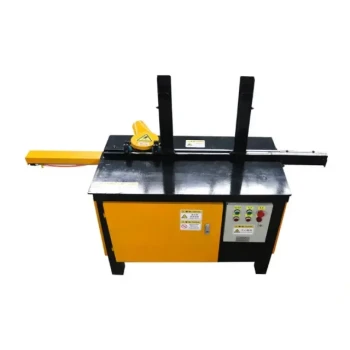
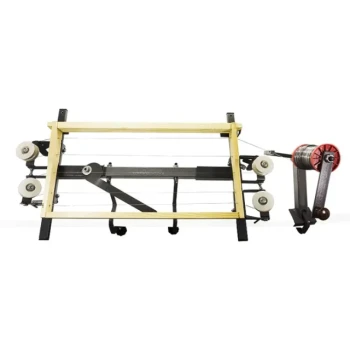
The gold standard for assembling beekeeping frames requires a hybrid approach: reinforcing mechanical fasteners with high-quality wood glue. Relying solely on nails or staples creates a weak point, as wood expands and contracts, eventually causing the hardware to pull out. By applying glue to every joint before fastening, you create a unified structural bond that withstands the weight of heavy honey supers and aggressive hive tool manipulation.
Once a colony has drawn out comb and filled a frame with honey or brood, repairing a loose joint is functionally impossible without destroying the bees' work. Consequently, the assembly process must focus on permanence; a frame should be built to never need maintenance.
The Role of Adhesives in Structural Integrity
Why Hardware Is Not Enough
Mechanical fasteners, such as nails or staples, provide immediate holding power. However, they are susceptible to "withdrawal" over time due to the heavy loads frames carry.
Without a bonding agent, the dynamic forces of prying frames apart during inspections can loosen these fasteners.
The Function of Wood Glue
Wood glue penetrates the fibers of the frame components. This turns the corner joints into a single, solid piece of wood rather than two pieces held together by friction.
This chemical bond prevents the frame from racking (wobbling) or separating, ensuring the mechanical fasteners remain seated permanently.
Optimizing the Assembly Workflow
Precision Application
To ensure a strong bond without creating a mess, use acid brushes to apply the glue.
These small brushes allow you to paint the adhesive into the grooves of the side bars and top bars with high precision.
Because acid brushes are inexpensive, they can be treated as disposable tools, eliminating the need for difficult cleanup after a long assembly session.
Efficiency for Volume
If you are assembling a large number of frames, manual hammering can lead to fatigue and inconsistent construction.
The use of an air nailer or pneumatic stapler is highly recommended for volume assembly.
These tools drive fasteners at consistent depths and speeds, allowing you to secure the glued joints before the adhesive begins to set.
Common Pitfalls to Avoid
The "Dry Assembly" Mistake
The most common error is assembling frames "dry" (without glue) to save time.
While this is faster initially, it is a false economy; the time lost replacing broken frames later far outweighs the extra minutes spent gluing now.
Over-Application of Glue
While glue is essential, using too much can result in "squeeze-out" that hardens on the exterior of the frame.
Excess dried glue can interfere with frame spacing or create rough surfaces that irritate the bees.
Using an acid brush helps control the volume of glue to prevent this issue.
Ensuring Longevity in Your Apiary
To get the most out of your equipment, match your assembly method to your operational goals:
- If your primary focus is maximum durability: Apply wood glue to all contact points on the top and bottom bars before driving fasteners to prevent future joint failure.
- If your primary focus is high-volume efficiency: Utilize an air stapler or nailer to speed up the mechanical fastening process while ensuring consistent holding power.
- If your primary focus is precision and cleanliness: Use disposable acid brushes to apply adhesive strictly to the inner joints, preventing messy squeeze-out that requires cleanup.
Treat every frame assembly as a permanent construction project, because once it goes into the hive, there is no going back.
Summary Table:
| Best Practice | Recommended Tool/Method | Key Benefit |
|---|---|---|
| Structural Bonding | High-quality Wood Glue | Prevents joint racking and fastener withdrawal over time. |
| Fastening | Air Nailer or Pneumatic Stapler | Ensures consistent depth and high-volume efficiency. |
| Adhesive Control | Disposable Acid Brushes | Precise application that prevents messy glue squeeze-out. |
| Joint Integrity | Hybrid Approach (Glue + Nails) | Creates a permanent bond resistant to hive tool prying. |
Elevate Your Apiary with Industrial-Grade Solutions
Building durable hives starts with the right foundation. HONESTBEE specializes in supporting commercial apiaries and distributors with high-performance beekeeping essentials. From precision-engineered hive-making and honey-filling machinery to a full spectrum of wholesale beekeeping tools and consumables, we provide the hardware you need to scale your operations.
Whether you are looking for bulk frame components or specialized assembly equipment, our team is ready to deliver quality that stands the test of time. Contact HONESTBEE today to discuss our wholesale offerings and discover how our expertise can optimize your production and profitability.
Related Products
- Wooden Bee Hive Frames for Beekeeping and Wholesale
- Professional Wooden Requeening Frame for Beekeeping
- JZBZ Langstroth Queen Rearing Frame for Beekeeping
- Plastic Bee Frame Beekeeping Hive Frames for Wholesale
- Ergonomic Plastic Frame Spacer Tool for Rapid Hive Management Beekeeping
People Also Ask
- How does balancing the number of frames impact hive productivity? Optimize Your Apiary's Biological Output
- How do wooden and plastic hive frames compare in terms of durability? Wood vs. Plastic Longevity & Repairability
- What are the main considerations when choosing between wooden and plastic bee hive frames? Optimize Your Apiary's Efficiency
- How should beehive frames be maintained to prolong their lifespan? 5 Pro Tips for Durable Beekeeping Equipment
- What are frames and combs used for in beekeeping? The Foundation of Modern Hive Management