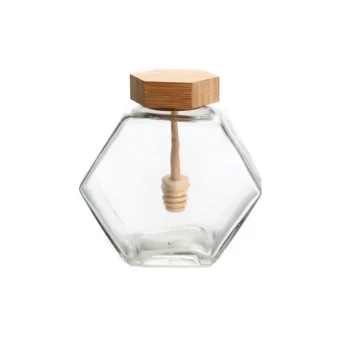
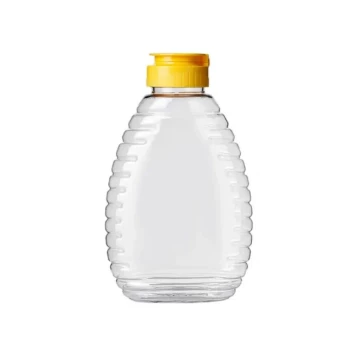
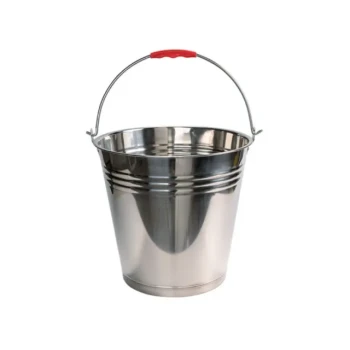
Glass containers provide superior chemical stability and impermeability compared to plastic or metal alternatives. They act as a near-perfect barrier against moisture and oxygen, preserving honey’s volatile aromatics and preventing fermentation. Unlike plastic or metal, glass is chemically inert, ensuring it does not react with honey’s natural acidity or leach substances into the product.
Core Takeaway While plastic is often used for bulk transport due to durability, glass is the definitive choice for long-term preservation and high-end retail. Its non-porous nature maintains the honey's original chemical profile, flavor, and moisture content, directly translating to a longer, stable shelf life.
Preserving Chemical Integrity
Unmatched Inertness
Glass is chemically inert, meaning it does not react with the contents it holds. Since honey is naturally acidic, it can potentially react with certain metals or degrade lower-quality plastics over time.
preventing Contaminant Migration
Unlike some plastics, glass does not suffer from chemical migration. There is no risk of polymers or other substances leaching into the honey, ensuring the product remains pure and retains its therapeutic value.
Controlling the Atmosphere
The Moisture Barrier
Honey is hygroscopic, meaning it readily absorbs moisture from the air. If honey absorbs too much water, it can ferment and spoil.
Preventing Fermentation
Glass provides a superior seal that effectively blocks environmental moisture. This protects the honey from fermentation, ensuring the stability of its physical properties during long-term storage.
The Oxygen Barrier
Glass is impermeable to gas exchange. This high oxygen barrier prevents oxidative browning, a common issue where honey darkens and loses freshness when exposed to air.
Retaining Volatiles
The specific flavor of a honey variety relies on volatile aromatic compounds. Glass traps these compounds inside the container, whereas permeable materials may allow them to escape, leading to a flat or generic taste over time.
The Value of Visual Transparency
Monitoring Crystallization
Transparency allows for immediate visual inspection. Consumers and producers can observe the crystallization state of the honey without opening the container, which is a natural process but one that varies by floral source.
Signaling Quality
Glass acts as a quality signal in the retail market. The ability to clearly see the honey's natural color and texture supports premium pricing and differentiates the product in the luxury gifting market.
Understanding the Trade-offs
Durability vs. Stability
While glass offers superior chemical protection, it is fragile. Plastic drums are often preferred for bulk transport logistics because they are shatter-resistant and lighter, despite offering lower long-term preservation capabilities.
Weight and Logistics
Glass is significantly heavier than plastic or metal. This increases shipping costs and carbon footprint during transport, making it less ideal for high-volume industrial movement compared to final retail packaging.
Making the Right Choice for Your Goal
To select the best material, you must align the packaging properties with your specific stage in the supply chain:
- If your primary focus is Long-Term Preservation: Choose glass to prevent oxidation, moisture absorption, and the loss of aromatic compounds.
- If your primary focus is High-End Retail: Choose glass to leverage its transparency and chemical inertness as a signal of premium quality and purity.
- If your primary focus is Bulk Logistics: Choose food-grade plastic drums for their durability and reduced weight, provided the storage duration is managed carefully.
Glass remains the superior material for ensuring that the honey the consumer tastes is exactly what the bees produced.
Summary Table:
| Feature | Glass Containers | Plastic Drums | Metal Drums |
|---|---|---|---|
| Chemical Inertness | High (No leaching) | Moderate (Risk of migration) | Low (Reactive with acidity) |
| Moisture Barrier | Near-Perfect | Variable/Permeable | High |
| Oxygen Barrier | Excellent | Poor to Moderate | High |
| Aroma Retention | Superior | Moderate | Low |
| Visual Clarity | Transparent | Translucent/Opaque | Opaque |
| Best Use Case | Retail & Long-term Storage | Bulk Transport | Industrial Logistics |
Scale Your Honey Business with HONESTBEE Premium Solutions
At HONESTBEE, we understand that the quality of your honey depends on the quality of your equipment. As a leading partner for commercial apiaries and distributors, we offer a comprehensive wholesale range designed to protect your harvest and elevate your brand.
Why partner with HONESTBEE?
- Complete Equipment Range: From precision honey-filling machines for glass packaging to professional hive-making machinery.
- Wholesale Consumables: A wide array of essential industry tools and consumables tailored for high-volume production.
- Global Distribution: We cater to large-scale operations and distributors with reliable, high-performance beekeeping hardware.
Ready to enhance your production efficiency and product value? Contact us today to explore our wholesale catalog and see how our expertise can drive your success.
References
- Latifa Haderbache, Arezki Mohammedi. Quality of imported honeys marketed in Algeria. DOI: 10.4314/jfas.v7i1.10
This article is also based on technical information from HonestBee Knowledge Base .
Related Products
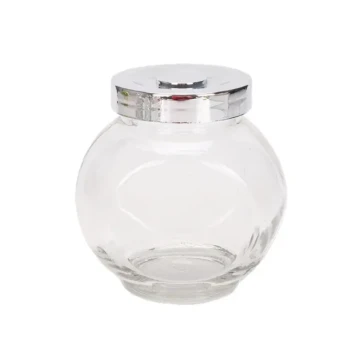
- Classic Drum Shaped Glass Honey Jar with Airtight Lid
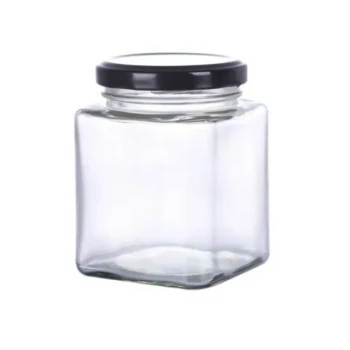
- Modern Square Glass Honey Jar with Twist Off Lid
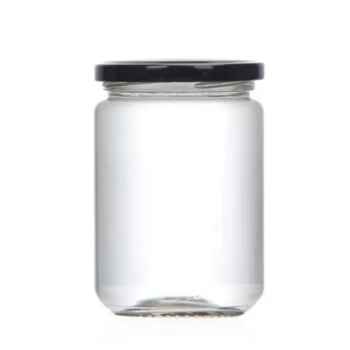
- Classic Round Glass Honey Jar with Lid
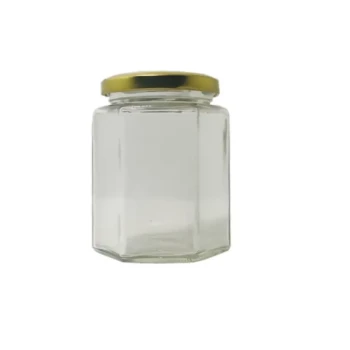
- Hexagonal Glass Honey Jars with Metal Lug Caps Elegant Versatile Packaging
- Hexagonal Glass Honey Jar with Wooden Lid Integrated Dipper Elegant Functional Storage
People Also Ask
- What is the best utensil to store honey? Preserve Purity with the Right Container
- How does the appearance of glass jar packaging affect the sales and perception of honey? Boost Your Premium Brand Value
- Why is a glass jar preferred for packaging honey? Ultimate Protection for Purity & Flavor
- What is the aesthetic appeal of using glass jars for honey? Elevate Your Brand with Premium Packaging
- What are the advantages of glass containers for honey? Elevate Quality and Market Value with Premium Packaging