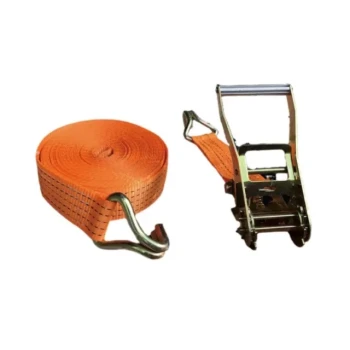
High-strength ropes serve as the primary structural anchor in traditional beekeeping. Their fundamental purpose is to suspend and secure beehives at calculated elevations, such as on tree trunks, to mechanically isolate the colony from terrestrial threats while stabilizing the hive against environmental volatility.
Core Takeaway High-strength ropes are not merely fasteners; they are a passive defense system. By elevating the hive and securing it against wind and rain, these ropes directly prevent colony collapse from predation and yield loss caused by physical overturning.
The Defense Mechanism: Elevation and Isolation
The most immediate function of high-strength ropes is to alter the physical location of the hive relative to its environment.
Protection from Ground-Based Predators
The primary biological threat to a traditional hive often comes from below. By suspending the hive, the rope creates a vertical gap that many predators cannot breach.
This suspension method effectively places the colony out of reach of ground-based animals that would otherwise destroy the hive to access the honey or brood.
Creating a Barrier Against Ants
Ants are a pervasive threat in apiary management. Suspending the hive via ropes drastically reduces the surface area available for ants to traverse.
This isolation makes it significantly harder for ant colonies to invade the hive, protecting the bee population from being overwhelmed by these small but destructive pests.
Deterring Human Interference
Security extends beyond animal threats. Ropes allow beekeepers to position hives at heights that discourage casual human interference.
By placing the hive out of easy reach, the beekeeper protects the colony from theft, vandalism, or accidental disturbance by passersby.
Structural Integrity and Stability
Beyond biological defense, high-strength ropes provide essential mechanical support against the elements.
Mitigating Environmental Stress
Traditional hives are often exposed to harsh weather conditions. Ropes act as the primary stabilizer, ensuring the hive remains upright during high winds or heavy rain events.
Without this secure tensioning, hives are susceptible to shifting or toppling, which can expose the interior of the hive to the elements.
Preventing Yield Loss
The ultimate goal of using high-strength ropes is the preservation of yield. A hive that overturns due to poor securing will almost certainly suffer from comb damage and honey loss.
By maintaining the hive's vertical orientation, the ropes ensure that the colony creates and stores honey in a stable environment, maximizing the harvest for the beekeeper.
Common Pitfalls to Avoid
While the function of these ropes is straightforward, the effectiveness relies entirely on the quality of the application.
The Risk of Material Failure
The text specifies "high-strength" for a reason. Using standard or degraded ropes compromises the entire system.
If the rope lacks the necessary tensile strength, the suspension becomes a liability. A snapped rope results in the immediate catastrophic failure of the defense system, dropping the hive directly into the path of the predators and environmental damage it was meant to avoid.
Making the Right Choice for Your Goal
The use of high-strength ropes is a strategic decision to prolong colony life and secure harvest volume.
- If your primary focus is Predator Control: Prioritize the elevation capabilities of the rope to create a vertical gap that ground-based predators and ants cannot cross.
- If your primary focus is Environmental Resilience: Focus on the tension and securing capability of the rope to prevent the hive from overturning during wind or rain storms.
Invest in high-strength materials to transform your hive from a vulnerable ground target into a secure, suspended fortress.
Summary Table:
| Function | Primary Benefit | Specific Threat Addressed |
|---|---|---|
| Vertical Elevation | Mechanical isolation | Ground predators & human interference |
| Surface Area Reduction | Biological barrier | Ant invasions & crawling pests |
| Structural Tensioning | Mechanical stability | High winds & heavy rain storms |
| Positional Security | Yield preservation | Hive overturning & comb damage |
Secure Your Apiary’s Future with HONESTBEE
Maximize your colony's protection and yield by investing in high-strength, professional-grade equipment. At HONESTBEE, we specialize in supporting commercial apiaries and distributors with a complete wholesale catalog. From high-tensile hive-securing materials to advanced honey-filling machines and essential consumables, our portfolio is designed to enhance your operational efficiency.
Why partner with us?
- Comprehensive Supply: Everything from hardware to specialized beekeeping machinery.
- Expertly Tailored: Solutions designed specifically for large-scale and traditional beekeeping needs.
- Reliability: Durable tools that prevent catastrophic hive failures.
Protect your investment and streamline your production today. Contact HONESTBEE to explore our wholesale solutions!
References
- MR Ja’Afar-Furo, B.M. Hamidu. Economic analysis of smallholders beekeeping industry in Adamawa state, Nigeria. DOI: 10.4314/gjpas.v13i1.16664
This article is also based on technical information from HonestBee Knowledge Base .
Related Products
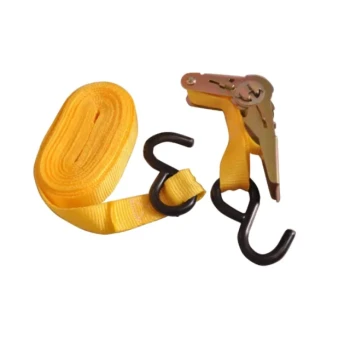
- Heavy Duty Ratchet Hive Strap
- High Security Emlock Strap System
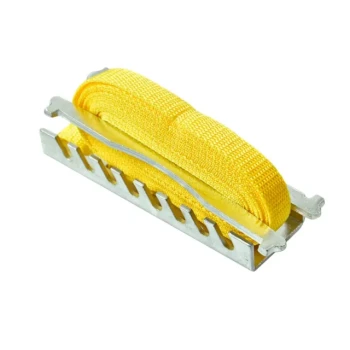
- Heavy-Duty Nylon Beehive Hive Strap with Stainless Steel Cinch Buckle
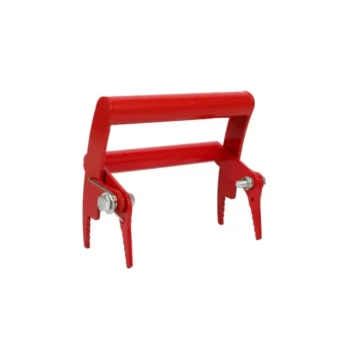
- Heavy-Duty Stainless Steel Frame Grip
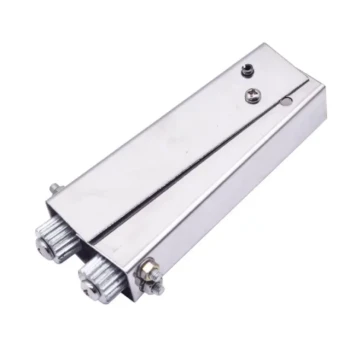
- HONESTBEE Heavy Duty All Metal Frame Wire Crimper Tool
People Also Ask
- Why is the use of ratchet straps or high-strength ropes necessary for hive protection? Secure Your Colony Now
- What are the two styles of hive straps? Choose the Right Strap for Your Hive Security
- What maintenance do hive straps require? Keep Your Hives Secure with Simple Care Tips
- How should hive straps be stored? Prevent Tangles & Extend Strap Life
- What is the best choice for hive straps? Ratchet vs. Cam Buckle for Your Apiary