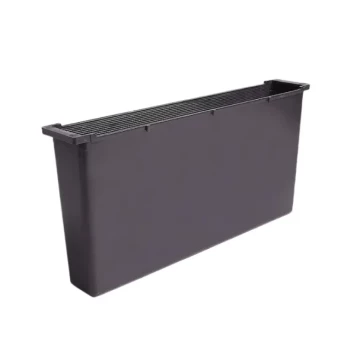
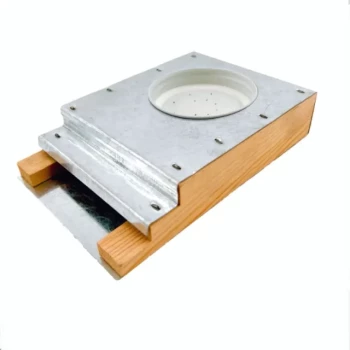
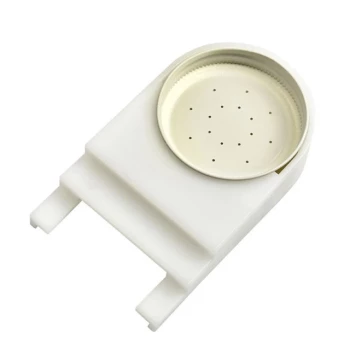
Top-mounted feeders are engineered to align with the honeybee's natural upward feeding instinct, ensuring rapid resource uptake without disrupting the colony's thermal balance. By positioning nutritional supplements directly above the frames, these devices facilitate high-efficiency consumption during active evening periods while protecting the internal microclimate from external temperature fluctuations.
Top-mounted feeders provide a technically superior delivery method by decoupling nutritional support from hive disruption. They maximize the stimulatory effect on queen egg-laying and population growth while ensuring bee safety through specialized drowning-prevention structures.
Optimizing Colony Growth through Biological Design
Leveraging Natural Instincts
Honeybees possess an innate upward feeding instinct, which top-mounted feeders utilize to maximize consumption rates. Placing syrup directly above the cluster allows the colony to access resources quickly, particularly during their active evening periods.
Stimulating Population Expansion
The rapid uptake of nutrient-rich syrups serves as a powerful signal to the colony. This high-efficiency feeding directly maximizes the stimulatory effect on the queen, encouraging increased egg-laying and accelerating colony population growth during critical spring build-up.
Consistency in Dosage
Top-mounted systems allow for the accurate distribution of inverted sugar syrup or other supplements. This ensures consistency in feeding frequency and dosage, which is essential for maintaining uniform growth across different management groups or experimental hives.
Preserving the Hive Environment
Maintaining Thermal Integrity
A primary technical advantage is the ability to feed without opening the main brood nest. This non-invasive approach minimizes heat loss, preserving the critical internal microclimate required for brood rearing, even when external spring temperatures remain low.
Protection from Contamination
Professional hive-top feeders often feature sealed or semi-sealed designs. This prevents contamination from external insects and inhibits the oxidation of supplements, ensuring liquid feeds remain fresh and chemically stable for the bees.
Critical Design Considerations and Safety
While the placement is advantageous, the internal structure of the feeder is the deciding factor in its success.
Preventing Bee Mortality
Using liquid feed carries a risk of drowning, particularly with high-viscosity liquids. Reliable feeders must include internal climbing channels, metal meshes, or screens to provide a secure physical substrate for bees to grip.
Avoiding "Open Air" Hazards
Without these specific safety structures, the feeding interface becomes a hazard rather than a support system. Secure footing is critical to prevent mass mortality during feeding, ensuring the intervention supports survival rather than compromising the colony's workforce.
Making the Right Choice for Your Goal
Top-mounted feeders are versatile tools, but their application should be tailored to the specific seasonal needs of the colony.
- If your primary focus is Spring Build-up: Prioritize feeders with high-volume capacity to maximize syrup uptake, stimulating the queen to lay eggs rapidly for peak season population.
- If your primary focus is Summer Survival: Use the feeder to provide consistent hydration or pollen substitutes during dry seasons to prevent colony absconding and starvation.
By matching the feeder's technical design to the colony's biological instincts, you convert feeding from a chore into a precise growth management strategy.
Summary Table:
| Feature | Technical Advantage | Impact on Colony |
|---|---|---|
| Placement | Aligns with natural upward feeding instinct | Rapid resource uptake & evening feeding efficiency |
| Thermal Management | Non-invasive design (no brood nest opening) | Prevents heat loss; maintains brood-rearing microclimate |
| Growth Stimulation | Consistent, high-efficiency syrup delivery | Maximizes queen egg-laying & spring build-up speed |
| Safety Features | Internal climbing channels & metal meshes | Prevents bee drowning and worker mortality |
| Feed Integrity | Sealed/Semi-sealed container design | Inhibits oxidation and prevents external contamination |
Partner with HONESTBEE for Professional-Grade Apiary Solutions
Are you looking to scale your commercial apiary or expand your distribution catalog? HONESTBEE specializes in serving commercial beekeepers and global distributors with a comprehensive range of high-performance beekeeping tools and industrial machinery.
From precision-engineered top-mounted feeders that safeguard colony health to advanced hive-making and honey-filling machines, we provide the hardware and consumables necessary for modern, efficient honey production. Elevate your operations with our wholesale expertise and industry-leading equipment.
Ready to optimize your supply chain? Contact us today to discuss your wholesale needs!
References
- Е.А. Горнич, А.В. Коновалов. A METHOD FOR INCREASING THE FERTILITY OF QUEEN BEES AND THE GROWTH INTENSITY OF BEE COLONIES OF THE CENTRAL RUSSIAN BREED DUE TO THE USE OF A NEW STIMULATING FEED ADDITIVE. DOI: 10.35694/yarcx.2023.64.4.006
This article is also based on technical information from HonestBee Knowledge Base .
Related Products
- HONESTBEE Square Top Hive Bee Feeder Top Bee Feeder
- HONESTBEE Professional Hive Top Bee Feeder Feeding Solution
- Professional Hive Top Bee Feeder for Beekeeping
- HONESTBEE Round Hive Top Bee Feeder for Syrup
- Rapid Bee Feeder White Plastic 2L Round Top Feeder for 8 or 10-Frame Bee Hives
People Also Ask
- How does a bee hive top feeder work? A Guide to Efficient, Protected Feeding
- What is the structural design and placement of a beehive top feeder? Optimize Your Apiary's Feeding Efficiency
- How to use a top feeder in a beehive? A Guide to Effective Beehive Feeding
- What is a top feeder and how is it designed? Maximize Hive Feeding Efficiency
- How do you use a top feeder for bees? Expert Guide to Installation and High-Volume Hive Feeding