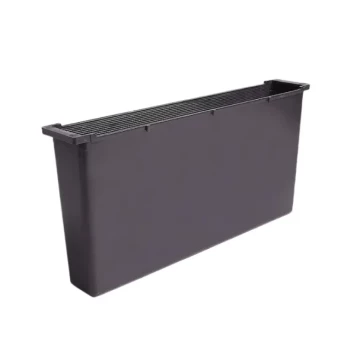
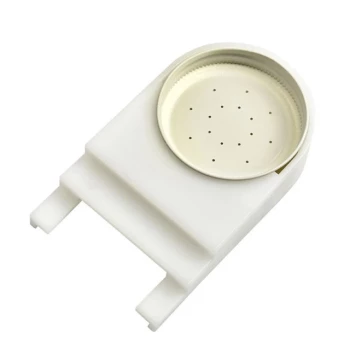
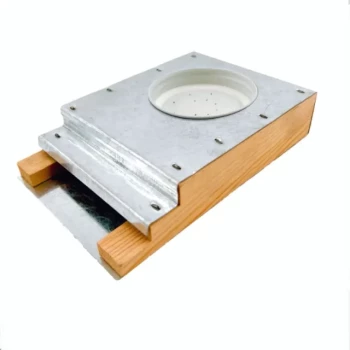
A beehive top feeder is a structural unit designed to sit directly atop the upper hive box, providing a high-volume reservoir for sugar syrup. It consists of a shallow box equipped with hardware cloth or a steel screen to prevent bee drowning, and it is typically enclosed within an empty hive body to protect the food source from weather and robber bees.
The top feeder is engineered for capacity and minimal disturbance, allowing beekeepers to supply up to three gallons of syrup without exposing the colony, while using a mesh barrier to ensure bee safety.
Anatomy and Structural Design
The Reservoir and Safety Mesh
The core of the top feeder is a shallow box containing a reservoir for liquid feed. This design prioritizes volume while keeping the profile relatively low.
Crucially, the unit incorporates hardware cloth or a galvanized steel safety screen. This mesh allows bees to access the syrup to feed but prevents them from falling into the deep liquid and drowning.
Capacity and Compatibility
Top feeders are considered one of the most robust feeder types available. A standard version for a 10-frame hive can hold up to three gallons of syrup.
These units are standardized to fit common beekeeping equipment. You will generally find sizes designed specifically for 8-frame and 10-frame hives.
Proper Placement and Installation
Positioning on the Hive
The feeder is placed on top of the upper box of the beehive.
For the feeder to function, you must remove any existing inner cover or quilt. The bees require a direct path from the frames below to reach the feeder.
Ensuring Access
When placing the unit, ensure there are gaps between the top bars of the frames.
If these gaps are blocked, the bees cannot migrate upward to access the mesh and the syrup.
Environmental Protection
The top feeder is not usually left exposed. It is typically enclosed within an empty hive box.
This outer shell protects the unit from sun, wind, and rain, and helps secure the syrup against "robber bees" from other colonies looking to steal resources.
Operational Best Practices and Trade-offs
The Importance of Leak Testing
Because these feeders hold a large volume of liquid, a leak can be disastrous for the hive cluster below.
When filling the feeder for the first time, add only a 1/2 inch depth of syrup. This allows you to verify the structural integrity of the reservoir before filling it to capacity.
Minimizing Hive Disturbance
One of the primary structural advantages of this design is the ability to refill without disturbing the hive.
Because the feeder sits at the very top, you can replenish the syrup supply without removing frames or disrupting the colony's internal temperature and organization.
Jumpstarting Consumption
Bees may not immediately recognize the new structure as a food source.
To encourage them, splash a few drops of syrup down through the mesh onto the top bars. This creates a scent trail that guides them upward into the feeder.
Making the Right Choice for Your Goal
- If your primary focus is high-volume feeding: Choose a top feeder for its ability to hold up to three gallons, reducing the frequency of your visits.
- If your primary focus is colony safety: Rely on the integrated hardware cloth or steel screen to prevent the common issue of bees drowning in the syrup.
- If your primary focus is ease of maintenance: Utilize this design to refill feed rapidly without opening the brood chamber or disturbing the bees.
By correctly positioning the top feeder and verifying its seal, you provide a secure, abundant food source that protects your colony from both starvation and external threats.
Summary Table:
| Feature | Specification/Detail |
|---|---|
| Primary Purpose | High-volume syrup reservoir for colony feeding |
| Capacity | Up to 3 gallons (standard 10-frame hive) |
| Safety Mechanism | Hardware cloth or galvanized steel screen to prevent drowning |
| Placement | Directly atop the upper hive box, replacing the inner cover |
| Protection | Enclosed within an empty hive body to prevent robbing and weathering |
| Compatibility | Standardized for 8-frame and 10-frame hive setups |
Scaling Your Commercial Apiary?
HONESTBEE provides the professional-grade equipment you need to ensure colony health and operational efficiency. As a dedicated partner to commercial apiaries and distributors, we offer a comprehensive wholesale catalog including:
- High-Volume Feeding Solutions: Durable top feeders and specialized hive components.
- Advanced Machinery: Hive-making and honey-filling machines for industrial scaling.
- Beekeeping Essentials: A full spectrum of tools, hardware, and industry consumables.
- Cultural Merchandise: Unique honey-themed products to expand your retail portfolio.
Boost your productivity with reliable equipment designed for the modern beekeeper. Contact HONESTBEE today for wholesale pricing and expert support!
Related Products
- HONESTBEE Square Top Hive Bee Feeder Top Bee Feeder
- HONESTBEE Round Hive Top Bee Feeder for Syrup
- HONESTBEE Professional Hive Top Bee Feeder Feeding Solution
- Rapid Bee Feeder White Plastic 2L Round Top Feeder for 8 or 10-Frame Bee Hives
- Professional Hive Top Bee Feeder for Beekeeping
People Also Ask
- How does a bee hive top feeder work? A Guide to Efficient, Protected Feeding
- How to use a top feeder in a beehive? A Guide to Effective Beehive Feeding
- What is a top feeder and how is it designed? Maximize Hive Feeding Efficiency
- What are the different types of top feeders for bees? Choosing the Best Feeder for Your Apiary
- How do you use a top feeder for bees? Expert Guide to Installation and High-Volume Hive Feeding