The foundation of every standard beehive rests on one of two distinct options: the solid bottom board or the screened bottom board. While both serve as the structural floor of the hive, they offer fundamentally different approaches to colony environment and health management.
The choice between these boards is a trade-off between insulation and intervention. Solid boards prioritize thermal retention and wind protection, while screened boards focus on ventilation and provide a mechanical advantage for monitoring and controlling hive pests.
The Solid Bottom Board: Maximum Insulation
A Barrier Against the Elements
The solid bottom board is constructed from a continuous piece of wood, typically assembled with glue, staples, and nails for durability.
Preserving Colony Heat
Its primary function is to seal the underside of the hive completely. This design offers maximum insulation, protecting the colony from cold wind chill and helping bees maintain their internal temperature during cooler months.
The Screened Bottom Board: Ventilation and Monitoring
Enhanced Airflow
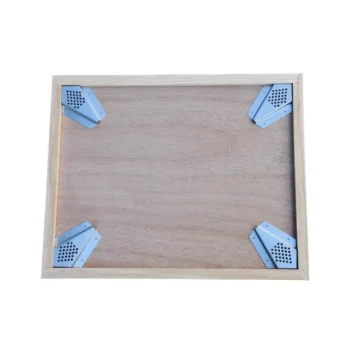
This design replaces the solid wood floor with a durable wire mesh. This significantly increases internal ventilation, which is critical for regulating hive temperature and humidity during hot weather.
Passive Parasite Reduction
The mesh provides a physical mechanism for pest control. When parasites like Varroa mites fall off the bees, they drop through the screen and out of the hive, preventing them from crawling back up and re-attaching to the host.
The Role of the Sticky Board
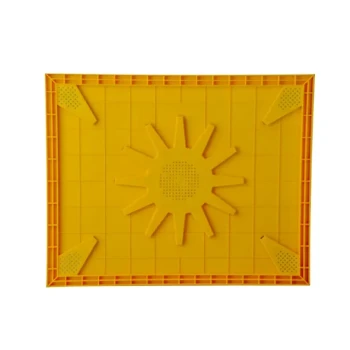
Screened bottom boards usually include a removable insert known as a sticky board. This slide-in tray captures falling debris and pests, allowing beekeepers to accurately count mite drops and monitor pest population density.
Understanding the Trade-offs
Simplicity vs. Data
Solid boards are generally lower maintenance and require no adjustments for weather. However, they act as a "black box," offering no insight into pest levels without opening the hive.
Winter Management
While screened boards are superior for ventilation, they can expose the colony to drafts in winter. You must ensure the sticky board insert is properly installed during cold months to close off the screen, effectively converting it into a solid floor to retain heat.
Making the Right Choice for Your Goal
To select the correct bottom board, evaluate your local climate and your approach to pest management:
- If your primary focus is maximum insulation in a cold climate: Choose the solid bottom board to provide a permanent, draft-free barrier against wind chill.
- If your primary focus is pest management and ventilation: Choose the screened bottom board to utilize the "drop-through" mechanism for mite control and to easily monitor infestation levels via sticky boards.
Select the tool that best aligns with your environmental challenges and your commitment to active hive monitoring.
Summary Table:
| Feature | Solid Bottom Board | Screened Bottom Board |
|---|---|---|
| Primary Benefit | Maximum insulation & wind protection | Enhanced ventilation & pest monitoring |
| Pest Control | No mechanical advantage | Enables passive Varroa mite drop |
| Climate Suitability | Ideal for cold, windy regions | Best for hot climates & high-humidity |
| Maintenance | Low (no adjustments needed) | Moderate (requires sticky board management) |
| Data Collection | Limited visibility | High (via mite count on sticky boards) |
Elevate Your Beekeeping Operation with HONESTBEE
Whether you are managing a large-scale commercial apiary or supplying the next generation of beekeepers, the right foundation is critical. HONESTBEE provides high-quality solid and screened bottom boards, along with a complete range of beekeeping tools, hive-making machinery, and honey-processing equipment.
We specialize in wholesale solutions for distributors and professional beekeepers, offering everything from essential hardware to honey-themed cultural merchandise. Let us help you scale your business with durable equipment and expert industry insights.
Contact us today to discuss your wholesale needs!
Related Products
- Solid Bottom Board Australian Pine Wood Langstroth Bottom Board for Wholesale
- Australian Pine Wood Langstroth Screen Bottom Board for Wholesale
- Langstroth Solid Bottom Board for Beekeeping
- Langstroth Screen Bottom Board for Beekeeping Wholesale
- HONESTBEE Top Bar & Bottom Bar Forming Machine | Bee Frame Machine
People Also Ask
- In what conditions is a solid bottom board preferred over a screened bottom board? Maximize Hive Heat and Treatment
- What is the primary function of a solid bottom board on a beehive? Key Benefits for Hive Stability and Insulation
- What are the characteristics of a solid bottom board? A Guide to Hive Foundation & Climate Control
- What is the primary function of a solid bottom board? Essential Thermal Insulation for Cold Climate Beekeeping
- What is a solid bottom board and in what climate is it most beneficial? Essential Guide for Cold Climate Beekeeping