For sticky-propolis hive inspections, use disposable gloves, unperfumed powder, washing soda solution, and rubbing alcohol as a coordinated hygiene routine. Disposable latex gloves preserve fingertip dexterity while protecting hands from resin. Before moving between hives, clean or replace gloves, scrape and disinfect hive tools, and use a washing-soda solution for general cleaning; rubbing alcohol is particularly effective for residual propolis on hands and metal tools.
The most effective routine combines prevention and reset: lightly powder clean hands, wear dexterity-focused disposable gloves, remove buildup from tools between colonies, and maintain separate cleaning consumables for hands, equipment, and apiary surfaces.
The Consumables to Keep on Hand
Disposable dexterity gloves
Use thin disposable latex gloves when high propolis levels make bare-hand work impractical. They provide a barrier against sticky resin without substantially reducing the finger control needed for frame manipulation and hive-tool operation.
If workers have a known latex sensitivity, stock latex-free alternatives such as nitrile gloves. Gloves should be replaced when torn, heavily coated, or when moving between colonies under strict biosecurity procedures.
Unperfumed baby powder
Apply a small amount of unperfumed baby powder to clean, dry hands before inspection. The powder helps reduce surface stickiness and makes gloves easier to put on and work with.
Use it sparingly and avoid excessive dust that could contaminate hive components or create airborne particles around workers.
Washing soda cleaning solution
Prepare the recommended general-purpose solution by mixing:
- 500 grams of washing soda
- 2.5 liters of water
Use this solution to clean hive tools and other washable equipment between inspections. For direct skin use, follow the product label and rinse hands thoroughly afterward, because washing soda is alkaline and may cause irritation or dryness.
Isopropyl or rubbing alcohol
Keep isopropyl or rubbing alcohol available for removing stubborn propolis residue from hands and metal hive tools. Alcohol acts as a solvent for the resin and is especially useful after scraping has removed the heavier buildup.
Use alcohol in a well-ventilated area, away from flames, smokers, and heat guns. Allow tools and hands to dry fully before resuming work.
Scraping and replacement supplies
A reliable hygiene kit should also include:
- Spare hive tools for continuous work when one tool becomes coated.
- Steel wool or abrasive pads for stubborn tool residue.
- Disposable gloves and waste bags for contaminated or heavily soiled materials.
- Clean water and hand-cleaning supplies for rinsing after chemical use.
For distributors and resellers, these items are best positioned as a complete apiary hygiene and inspection package, rather than as unrelated individual products.
The Recommended Inspection Routine
Prepare hands before entering the hive
Wash and dry hands before beginning. Apply a light dusting of unperfumed powder, then put on clean disposable gloves.
Avoid applying excess powder, hand creams, or scented products that could interfere with handling or transfer unwanted residues to hive components.
Manage propolis during the inspection
Use the hive tool to remove excessive propolis as soon as it interferes with frame movement or cover removal. Regular scraping prevents resin from accumulating and hardening into a stronger bond between wooden and plastic components.
In warm weather, propolis becomes gummy and adhesive. Work methodically and keep a second tool available so a clean tool can be used while the coated one is being cleaned.
Reset between colonies
When moving to another hive, scrape visible propolis from the hive tool first. Then clean the tool using the washing-soda solution, alcohol, or an appropriate apiary disinfectant according to the equipment and product instructions.
Replace gloves between colonies when disease transmission risk is significant or when gloves are visibly contaminated. At minimum, change them whenever they are damaged or heavily coated.
Clean hands safely
If propolis reaches the skin, remove the bulk with a disposable towel or scraper designed for hand use. Apply rubbing alcohol sparingly to dissolve remaining residue, then wash with soap and water and apply an unscented moisturizer if needed.
Do not rely on washing soda as a substitute for normal handwashing. Its alkaline nature makes it more appropriate for equipment cleaning than repeated, unprotected skin contact.
Clean tools after the inspection
At the end of the session, scrape hive tools thoroughly while residue is still manageable. Use steel wool or an abrasive pad for remaining buildup, then wash, disinfect, and dry the tools before storage.
This routine prevents propolis from hardening during cold weather, when it can make future hive disassembly difficult and increase the risk of damaged frames or hive components.
Why Temperature Changes the Cleaning Method
Warm conditions create heavy stickiness
In summer and early autumn, propolis is soft and highly adhesive. Rubbing alcohol is useful for removing the film left on hands and metal tools after scraping.
Keep propolis away from fabric clothing because resin can produce permanent stains.
Cold conditions make propolis brittle
Below approximately 20°C (68°F), propolis becomes harder and more brittle. This can make scraping easier, but excessive force may cause frames or components to split.
Use controlled scraping rather than forcing glued parts apart. Where appropriate, a controlled heat gun can soften propolis, but it must be kept away from bees, combustible materials, alcohol, and other flammable products.
Understanding the Trade-offs
Latex offers dexterity but can create allergy concerns
Latex gloves are flexible and well suited to delicate hive work. However, latex sensitivity makes them unsuitable for some workers, so a professional supply program should include latex-free options.
Alcohol cleans resin but requires fire discipline
Rubbing alcohol is effective against sticky propolis residue, but it is flammable. Never use it near a smoker, alcohol flame, heat gun, or other ignition source.
Washing soda supports equipment hygiene but may irritate skin
The washing-soda solution is useful for cleaning tools and equipment, but repeated skin exposure can cause dryness or irritation. Use gloves, rinse thoroughly, and maintain a separate handwashing routine.
Powder improves handling but should not replace glove changes
Baby powder can reduce surface stickiness, but it cannot prevent contamination once gloves are visibly soiled. Powder is a preparation aid, not a substitute for replacing contaminated gloves or cleaning tools.
Heat improves cleaning but can damage equipment
Controlled heat softens propolis and reduces scraping effort. Excessive heat, however, can damage plastic components, scorch wood, or create a safety hazard around flammable cleaning products.
Making the Right Choice for Your Apiary
A consistent supply program should cover both routine inspections and heavier seasonal hive maintenance.
- If your primary focus is hand dexterity: Use thin disposable gloves, apply minimal unperfumed powder before inspection, and replace gloves when damaged or heavily coated.
- If your primary focus is apiary biosecurity: Replace gloves between colonies when required, scrape tools between hives, and disinfect them using a suitable washing-soda or approved disinfectant routine.
- If your primary focus is fast propolis removal: Stock rubbing alcohol, spare hive tools, and steel wool so sticky residue can be removed without interrupting inspections.
- If your primary focus is worker safety: Offer latex-free gloves, provide ventilation for alcohol use, and keep all solvents away from smokers, flames, and heat guns.
- If your primary focus is year-round maintenance: Combine warm-weather alcohol cleaning with cold-weather scraping and controlled heat-assisted cleaning when appropriate.
A well-stocked hygiene kit protects worker dexterity, reduces cross-contamination risk, and keeps hive equipment serviceable across the entire inspection cycle.
Summary Table:
| Consumable | Purpose | Key Considerations |
|---|---|---|
| Disposable gloves (latex or nitrile) | Protect hands, maintain dexterity | Choose latex-free for sensitive skin; replace when contaminated |
| Unperfumed baby powder | Reduce stickiness, ease glove use | Use sparingly to avoid contamination |
| Washing soda solution (500g/2.5L water) | Clean tools and equipment | Alkaline; rinse thoroughly after skin contact |
| Isopropyl/rubbing alcohol | Dissolve propolis residue | Flammable; use in ventilated area away from flames |
| Spare tools, steel wool, waste bags | Support continuous work and disposal | Keep for efficient cleaning and hygiene |
For a complete apiary hygiene and inspection package, trust HONESTBEE. We supply top-quality gloves, cleaning solutions, and all your beekeeping consumables, supporting distributors and beekeepers with rapid delivery and expert service. Contact us today to stock up and keep your operations efficient.
Related Products
- 8 Frame and 10 Frame Propolis Trap Collector Screen for Propolis Collection
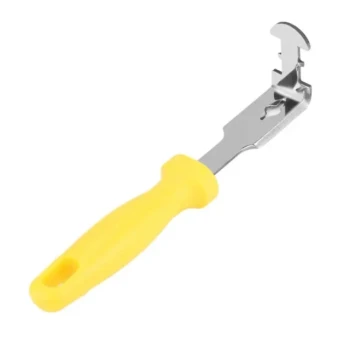
- Heavy Duty Stainless Steel Frame Cleaner with Plastic Handle
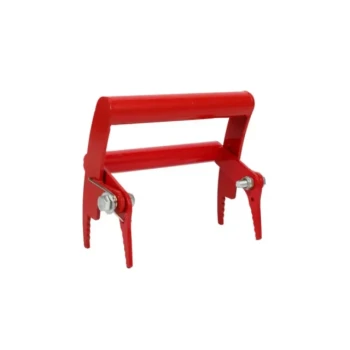
- Heavy-Duty Plier Action Frame Grip
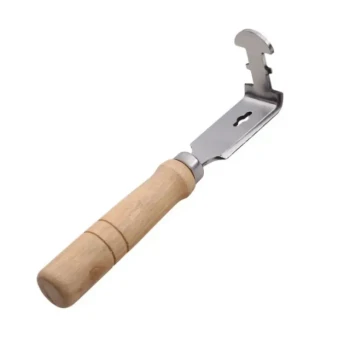
- Professional Stainless Steel Frame Cleaner with Ergonomic Wood Handle
People Also Ask
- Why is a specific wooden frame required when installing a propolis screen? Optimize Your Propolis Harvest Efficiency
- What are the advantages of using propolis collector screens? Elevate Your Harvest to Pharmaceutical Purity
- How do propolis collection screens work? Discover material specs for commercial harvesting equipment
- How does the mesh size of a propolis collection screen influence the efficiency of propolis harvesting? Optimize Yields!
- How do commercial-grade plastic screens compare to custom fine-mesh screens? Maximize Your Propolis Yield & ROI