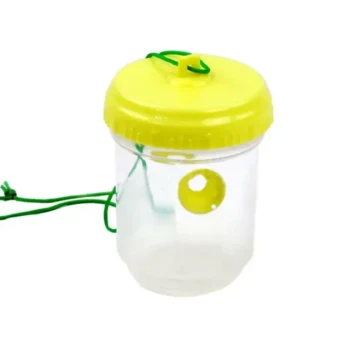
Specialized traps and sweet attractants function as a proactive defense system designed to intercept Vespa velutina (Asian hornet) queens before they can establish colonies. By exploiting the insect's critical physiological demand for sugar immediately following overwintering, these tools facilitate precise physical trapping that significantly reduces the subsequent predation threat to local apiaries.
Core Takeaway The primary strategic value of this equipment is source reduction: capturing a single queen in the spring prevents the formation of a fully developed nest later in the season. These tools serve a dual purpose of physically shielding bee colonies from invasive predators and providing essential data for monitoring population dynamics.
The Mechanics of Attraction and Capture
Exploiting Physiological Vulnerabilities
The effectiveness of sweet attractants relies on timing. After overwintering, Vespa velutina queens emerge with a depleted energy reserve and a high physiological demand for sugar.
Specialized attractants mimic these food sources, effectively luring the queens into a confined space. This targets the invasive species at its most vulnerable biological moment.
Prevention at the Source
Unlike methods that target worker hornets later in the season, this approach focuses on the reproductive source.
By trapping queens during the spring, the equipment prevents the initial formation of hornet nests. This source reduction is the most efficient way to lower the overall population density in a specific area.
Physical Protection of Apiaries
The immediate function of these traps is to create a physical barrier between the predator and its prey.
By reducing the number of active nests in the vicinity, the traps directly lower the predation pressure on honeybees. This serves as a vital physical method for preserving the health and stability of bee colonies.
Strategic Roles in Field Control
Monitoring Population Dynamics
Beyond direct elimination, these traps function as industrial-grade monitoring tools.
They allow pest control managers to track the presence and density of invasive populations over time. This data is critical for evaluating the success of broader pest control strategies and adjusting tactics as needed.
Enhancing Capture Selectivity
Advanced commercial traps incorporate entrance and exit blocking systems designed to filter the catch.
These mechanisms allow the larger Vespa velutina to enter but provide escape routes or exclusion barriers for smaller, non-target insects. This engineering ensures the trap targets the pest without decimating local pollinator populations.
Understanding the Trade-offs
The Risk to Local Biodiversity
A major pitfall in field control is the use of mass trapping equipment that lacks specific induction mechanisms.
Non-specialized traps can lead to the accidental capture of beneficial insects, such as local bees and other pollinators. This "by-catch" undermines the goal of ecological preservation.
The Necessity of Innovation
Current pest control technology is heavily focused on solving the selectivity problem.
To mitigate environmental risks, operators must prioritize the development and use of consumables that are highly specific to Vespa velutina. Reliance on generic baits without selective trap architecture poses a significant threat to local ecological biodiversity.
Making the Right Choice for Your Goal
When implementing a control strategy for Vespa velutina, your equipment choice should align with your specific management objectives:
- If your primary focus is Apiary Protection: Prioritize deploying sweet attractants early in the spring to intercept queens before they establish nests near your hives.
- If your primary focus is Ecological Balance: distinctively select traps with entrance and exit blocking systems to minimize the accidental capture of native pollinators.
- If your primary focus is Population Monitoring: Use fixed-area trapping stations to gather consistent data on hornet dynamics and evaluate control effectiveness.
Effective control requires balancing aggressive trapping with precise selectivity to protect the ecosystem you aim to save.
Summary Table:
| Feature | Primary Function | Key Benefit |
|---|---|---|
| Sweet Attractants | Targets physiological sugar demand | Lures queens immediately after overwintering |
| Specialized Traps | Physical interception and capture | Prevents nest formation and colony establishment |
| Selectivity Gates | Entrance/Exit filtering systems | Protects non-target beneficial pollinators |
| Monitoring Data | Population tracking and density analysis | Enables data-driven pest control strategies |
Secure Your Apiary Against Invasive Predators
At HONESTBEE, we understand the critical threat Vespa velutina poses to commercial apiaries and the health of the beekeeping industry. Our mission is to provide professional beekeepers and distributors with the high-performance tools needed to maintain ecological balance and honey production.
Why Partner with HONESTBEE?
- Comprehensive Wholesale Offering: From precision-engineered hornet traps to honey-filling machinery, we supply the full spectrum of beekeeping equipment.
- Advanced Technology: Our specialized hardware is designed for maximum efficiency in field control and colony management.
- Industry Expertise: We cater to the unique needs of large-scale operations with essential consumables and honey-themed cultural merchandise.
Don't let invasive species compromise your yields. Contact us today to explore our wholesale solutions and see how HONESTBEE can strengthen your commercial beekeeping business.
References
- Antonio García Jiménez. La protección jurídica y administrativa de las abejas. DOI: 10.56398/ajacieda.00116
This article is also based on technical information from HonestBee Knowledge Base .
Related Products
- Compact Multi-Funnel Hanging Wasp Trap
- Professional Multi-Component Bucket Wasp Trap
- Professional Bucket Style Wasp and Moth Pheromone Trap
- Gourd Shaped Hanging Wasp Trap Professional Wasp Catcher
People Also Ask
- What are the practical advantages of using professional wasp traps and protective equipment in apiary management? Scale Up
- Why replace sugar syrup bait in wasp traps every three days? Ensure Maximum Attraction and Catch Rates
- What is the importance of deploying hornet traps around an apiary for maintaining colony stability? Protect Your Yields.
- What are the advantages of placing hornet traps on the tops of beehives? Maximize Hive Defense Against Predators
- What is the technical purpose of placing expanded clay balls in a hornet trap? Optimize Your Apiary Monitoring