The most effective pest-prevention protocol combines calm, scheduled inspections with physical hive defenses. Inspect colonies once or twice per week to monitor queen status, food stores, brood condition, and pest activity, but avoid daily disturbance. Elevate every hive on a stable stand, restrict vulnerable entrances when necessary, maintain clean hive components, and secure the hive against weather and displacement.
Pest control should make the hive harder to enter—not make the colony harder to manage. Use elevated stands, entrance reducers, crawling-pest barriers, sanitation routines, and appropriately timed inspections to protect colonies without creating unnecessary stress.
Build a Physical Defense Around the Hive
Elevate hives above ground level
Hives should never sit directly on soil. A stand that places the hive base at least 45 cm above ground helps reduce exposure to termites, ants, toads, wood rot, and moisture.
Elevation also improves access for inspections and allows the hive to be positioned slightly forward so rainwater drains away from the entrance rather than accumulating inside the hive.
Use stable, ventilated hive stands
The stand must support the full hive securely without excessive movement. A rigid structure reduces vibration during inspections and helps prevent roofs or boxes from shifting during strong winds.
Where appropriate, combine elevated stands with top ventilation openings. Ventilation should reduce internal moisture while avoiding excessive drafts through the brood area.
Add barriers to stand legs
Crawling pests can be stopped before they reach the hive body by fitting stand legs with ant pans, oil cups, grease bands, or other physical barriers. Water or oil barriers require regular checking because evaporation, rain, dust, and debris can reduce their effectiveness.
Apiary fencing provides an additional physical layer against larger ground predators and helps define a controlled area around the hives.
Control Hive Entrances Without Overrestricting Bees
Fit entrance reducers when colonies are vulnerable
An entrance reducer creates a smaller opening that a colony can defend more easily. This is especially useful for weak colonies, during winter, during dearth periods, or when wasps, mice, ants, or other invaders are active.
The reducer should not block normal worker traffic or ventilation. Its opening must match the colony’s strength and seasonal conditions.
Use restricted entrance designs where appropriate
Hive designs with narrow openings, including approximately 8 mm slot entrances, can limit access by larger predatory insects while allowing worker bees to pass.
Entrance dimensions should be selected as part of the hive design rather than applied indiscriminately. Strong colonies may need more airflow and traffic capacity, while small or weakened colonies benefit from a more defensible entrance.
Secure hive bodies and roofs
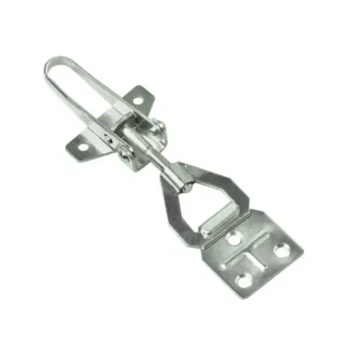
Heavy-duty hive straps help prevent wind, animals, or accidental impact from displacing the roof or hive boxes. A shifted roof can expose brood and stores to cold, rain, or pests.
Straps are particularly important for exposed apiaries, transport, and periods of severe weather. They should hold the hive firmly without crushing components or restricting normal access for inspections.
Establish a Low-Stress Inspection Protocol
Inspect once or twice per week
A weekly inspection is generally sufficient for routine monitoring, with a second inspection added when conditions require closer observation. Check for queen presence, brood pattern, food stores, honey deposition, colony strength, and signs of ants, termites, wax moths, or other pests.
The purpose is early detection, not repeated handling. Daily inspections can disrupt temperature control, brood care, foraging patterns, and colony organization.
Use a consistent inspection sequence
A repeatable sequence reduces the time the hive remains open. Prepare tools and protective equipment in advance, inspect the entrance and stand first, then examine the brood area and stores only as deeply as needed.
Record findings so the next inspection can focus on changes rather than repeating unnecessary disturbance.
Monitor weak colonies more carefully
Pests often target colonies that have lost population, queen strength, or food reserves. A weak colony may require an entrance reducer, closer food monitoring, comb management, or additional corrective action.
The intervention should be proportional to the problem. Avoid opening a vulnerable colony repeatedly merely to confirm that it remains weak.
Keep Hive Components Clean and Pest-Resistant
Clean bottom boards routinely
Bottom boards collect wax fragments, dead bees, pollen, moisture, and other debris. Regular cleaning and inspection reduce breeding opportunities for detritus-feeding pests such as scarab and darkling beetles.
A clean bottom board also makes pest evidence easier to identify during inspections. Replace or repair damaged boards that create structural gaps or retain moisture.
Manage comb and organic debris
Wax moths and other pests exploit weak colonies, neglected comb, and accumulated organic material. Remove degraded comb and clean surplus equipment, particularly during dearth periods when colonies have reduced defensive capacity.
Do not leave unused comb and hive components exposed where pests can establish unnoticed. Store equipment in a clean, controlled environment appropriate to the local climate.
Keep colonies sufficiently populated
A well-populated colony can defend its entrance and comb more effectively than a weak colony. Maintain adequate food stores and identify queen problems or population decline before pests gain control of unguarded areas.
Hardware is most effective when paired with sound colony management. No entrance reducer or stand barrier can compensate indefinitely for severe queen loss, starvation, or a collapsing population.
Adapt Protection to Seasonal Risks
Prepare for winter intruders
Mice seek warm, protected spaces during cold periods, while wasps may continue attempting to enter and take honey or prey on bees. A properly fitted entrance reducer limits the opening to a size the colony can guard.
Continue winter checks without unnecessary hive opening. Inspect externally for damage, displacement, blocked entrances, moisture, and signs of intrusion.
Protect against wax moth damage
Greater and lesser wax moth larvae tunnel through comb and damage stored honey, pollen, and brood cells. Colonies under population pressure are particularly vulnerable because fewer bees are available to patrol the comb.
Reduce access points, remove degraded comb, clean equipment, and keep colonies adequately populated and fed. Early detection is important because extensive comb destruction can destabilize the colony and contribute to absconding.
Secure exposed apiaries
Wind, rain, and animals can compromise otherwise sound pest controls. Use straps, stable stands, adequate fencing, and drainage-conscious hive positioning to maintain the physical integrity of each hive.
A hardware inspection should be part of seasonal preparation and not only a response after equipment has failed.
Understanding the Trade-offs
More barriers can reduce airflow
Entrance reducers and restricted entrances improve defensibility, but excessive restriction can interfere with traffic, ventilation, and heat management. Use the smallest practical opening for the colony’s condition rather than permanently minimizing every entrance.
Frequent handling creates unnecessary stress
Inspections are essential, but opening a hive too often can disturb the colony and consume time without producing useful information. A documented weekly protocol is usually more effective than unplanned daily checks.
Water and oil barriers require maintenance
Ant pans and oil cups work only when they remain intact and effective. Rain, evaporation, dust, vegetation, and insects can compromise them, so include barriers in routine apiary inspections.
Elevated hardware must remain stable
A tall stand can improve pest protection but may increase the consequences of poor leveling, weak construction, or wind exposure. Prioritize load capacity, stability, drainage, and secure placement over height alone.
Hardware cannot replace colony health
Entrance restrictions and sanitation reduce opportunities for pests, but weak colonies remain inherently more exposed. Queen health, adequate food, population strength, and timely removal of deadouts are equally important parts of prevention.
Making the Right Choice for Your Goal
Select hardware and service support according to the operating conditions of the apiary and the strength of the colonies.
- If your primary focus is routine colony protection: Use elevated stands, stable hive positioning, clean bottom boards, and once- or twice-weekly inspections.
- If your primary focus is ant and ground-pest control: Combine stands at least 45 cm high with ant pans, oil cups, grease bands, or equivalent leg barriers.
- If your primary focus is winter protection: Fit appropriately sized entrance reducers, check external hive conditions, and secure hive bodies with heavy-duty straps.
- If your primary focus is wax moth prevention: Maintain strong colonies, remove degraded comb, clean equipment, and reduce unused access points.
- If your primary focus is commercial apiary operations: Standardize compatible stands, reducers, straps, sanitation components, and inspection tools so replacement parts and replenishment can be sourced quickly.
- If your primary focus is distribution or wholesale supply: Favor suppliers that can provide a full hardware range, consistent specifications, responsive customer service, and reliable fulfillment across seasonal demand.
A calm inspection routine paired with correctly selected structural hardware protects both bee colonies and the long-term value of apiary equipment.
Summary Table:
| Aspect | Recommendation |
|---|---|
| Inspection Frequency | Once or twice per week |
| Hive Elevation | At least 45 cm above ground |
| Entrance Control | Use reducers for weak colonies or seasonal risks |
| Pest Barriers | Ant pans, oil cups, grease bands on stand legs |
| Cleaning | Routine bottom board and comb maintenance |
| Winter Protection | Entrance reducers and hive straps |
Protect your apiary with high-quality beekeeping equipment from HONESTBEE. We offer a comprehensive range of hive stands, entrance reducers, barriers, and more—all designed to keep your colonies healthy and productive. Need expert advice? Contact us today for a tailored solution that meets your operational needs.
Related Products
- Durable Plastic Interlocking Hive Connector for Beekeeping
- Heavy Duty Adjustable Hive Connector
- Ergonomic Plastic Frame Spacer Tool for Rapid Hive Management Beekeeping
- Metal Hive Feet Bee Hive Stand for Ant Protection
- Modern Flat-Mount Hive Number Set for Beekeeping
People Also Ask
- How do plastic bee hives compare to wooden hives in handling? Reduce Strain & Boost Efficiency
- Are plastic bee hives any good? Unlock Durability & Efficiency for Your Apiary
- Under what circumstance are beehive connectors particularly beneficial? Optimize Handling for Full Beehive Attachments
- Are plastic bee hives good? Durable, Low-Maintenance Hives for Modern Apiaries
- What is the advantage of using the beehive connector when handling full attachments? Achieve Safe and Efficient Hive Transport