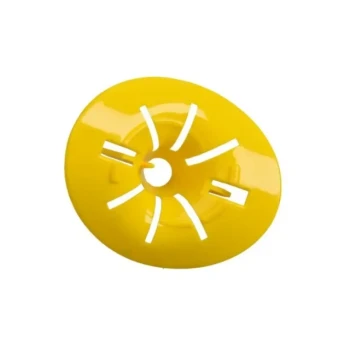
Propolis traps function by leveraging the honey bee's innate biological drive to seal crevices and gaps within their living space. These devices utilize grids or slots with specific dimensions that trigger the colony to collect plant resins and secrete propolis to close the perceived structural breaches.
The design of a propolis trap is not merely for passive collection; it is a tool that manipulates colony behavior. By mimicking structural imperfections, the trap stimulates the accumulation of antibacterial resins, serving both as a harvest method for the beekeeper and a regulatory mechanism for the hive’s micro-environment.
The Biological Principle: The "Gap-Filling" Instinct
To understand the design logic, you must first understand the behavior the trap exploits. Honey bees are obsessive about maintaining the structural integrity of the hive.
Mimicking Structural Flaws
Propolis traps are engineered with grids or slots of specific dimensions. These openings are sized precisely to be too small for a bee to ignore, yet too large to be sealed with wax alone.
This design presents a "problem" to the colony that can only be solved with propolis.
Triggering Resin Collection
When bees encounter these specific gaps, it prompts an immediate response to gather plant resins.
The bees process these resins into propolis to seal the trap, effectively filling the device with the desired product on their own accord.
Functional Benefits and Hive Health
Beyond simply collecting a product for harvest, these traps play a role in the internal management of the colony.
Optimization of Distribution
Without a trap, bees deposit propolis randomly to smooth out rough surfaces or reduce entrance sizes.
The trap focuses this effort. It allows for the optimization of propolis distribution, concentrating the substance in a removable grid rather than having it scattered across frames and box edges.
Micro-Environmental Regulation
Propolis is not just a glue; it is a functional component of the hive's immune system and climate control.
By encouraging the creation of a propolis "envelope" or layer within the trap, the device facilitates micro-environmental regulation. This helps stabilize humidity and temperature within the hive body.
Antibacterial Defense
Propolis possesses significant antimicrobial qualities.
By stimulating the production and placement of fresh propolis, the trap enhances the presence of these antibacterial properties within the hive, contributing to overall colony hygiene.
Understanding the Trade-offs
While propolis traps are effective, they introduce specific variables into hive management that must be weighed.
Energy Expenditure
Producing propolis is labor-intensive. When you install a trap, you are diverting colony energy away from other tasks, such as foraging for nectar or caring for brood, toward resin collection.
Seasonal Timing
The "gap-filling" instinct is often seasonal, peaking when the bees are preparing for winter. Deploying traps at the wrong time may yield poor results or stress the colony when resources are scarce.
Making the Right Choice for Your Goal
The use of propolis traps should align with your specific management objectives.
- If your primary focus is Commercial Harvest: Prioritize traps with standardized grid dimensions that maximize the surface area for "gap filling" to ensure high-volume collection efficiency.
- If your primary focus is Hive Health: Use the trap to stimulate the natural deposition of propolis, thereby increasing the antibacterial envelope surrounding the colony.
By strategically utilizing the bee's natural defense mechanisms, you transform a biological instinct into a managed asset for both production and colony welfare.
Summary Table:
| Feature | Design Logic / Function | Benefit to Beekeeper & Colony |
|---|---|---|
| Gap Dimensions | Mimics structural flaws (too small for wax) | Triggers intensive resin collection response |
| Grid Surface | Concentrates propolis in one area | Simplifies harvest & reduces frame sticking |
| Propolis Envelope | Enhances antimicrobial layer | Improves colony hygiene & immune defense |
| Micro-climate | Regulates airflow and humidity | Stabilizes internal hive environment |
| Strategic Timing | Seasonal deployment | Maximizes yield without over-stressing bees |
Maximize Your Apiary’s Potential with HONESTBEE
Are you looking to scale your propolis production or enhance colony health? HONESTBEE provides professional-grade beekeeping solutions tailored for commercial apiaries and global distributors. From precision-engineered propolis traps and hive hardware to advanced honey-filling machinery, our comprehensive wholesale offering ensures you have the tools to succeed.
Why Partner with HONESTBEE?
- Expert Equipment: Full spectrum of beekeeping tools and machinery.
- Scalable Solutions: Specialized supplies for large-scale commercial operations.
- Niche Support: From industrial consumables to honey-themed cultural merchandise.
Ready to upgrade your equipment and boost your yield? Contact us today to explore our wholesale catalog!
References
- Michael Simone-Finstrom, Judy Wu‐Smart. Proceedings of the 2019 American Bee Research Conference. DOI: 10.3390/insects11020088
This article is also based on technical information from HonestBee Knowledge Base .
Related Products
- 8 Frame and 10 Frame Propolis Trap Collector Screen for Propolis Collection
- Removable Plastic Pollen Trap With Ventilated Tray for Bees Pollen Collector
- Professional Bucket Style Wasp and Moth Pheromone Trap
- Plastic Bee Pollen Trap Strips Comb Catcher Collector
- Plastic Beetle Blaster Trap Beekeeping Tools and Supplies
People Also Ask
- Why is a specific wooden frame required when installing a propolis screen? Optimize Your Propolis Harvest Efficiency
- What are the advantages of using propolis collector screens? Elevate Your Harvest to Pharmaceutical Purity
- How do propolis collection screens work? Discover material specs for commercial harvesting equipment
- How does the mesh size of a propolis collection screen influence the efficiency of propolis harvesting? Optimize Yields!
- How do commercial-grade plastic screens compare to custom fine-mesh screens? Maximize Your Propolis Yield & ROI