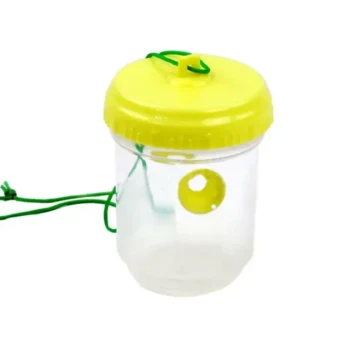
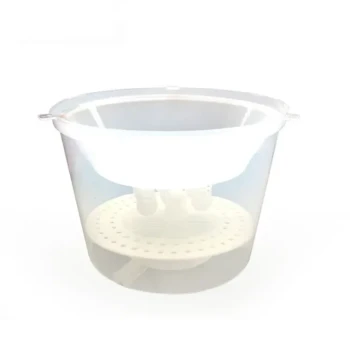
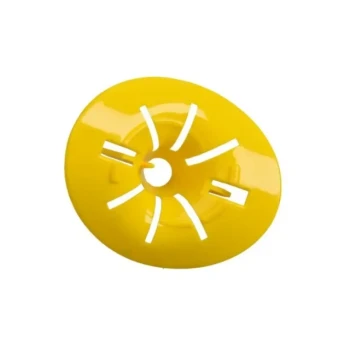
Vinegar traps function as a specialized biological defense system for stingless bee colonies. They act as a consumable maintenance tool designed to attract, intercept, and physically eliminate parasitic flies—specifically phorid flies—without introducing harmful chemical pesticides into the sensitive hive environment.
By acting as a proactive barrier against pests like Pseudohypocera kerteszi, vinegar traps prevent the devastating cycle of larval infestation and colony collapse. They are not just pest control devices, but a fundamental component in ensuring the financial sustainability and continuous honey production of the apiary.
The Mechanics of Biological Control
Targeting the Threat
The primary function of the vinegar trap is to decoy specific parasitic pests. Phorid flies are attracted to the scent of fermentation, which signals a potential site to lay eggs within a hive.
The Lure Mechanism
By utilizing acidic lures—typically vinegar or sugar-vinegar solutions—the trap mimics these scents. This diverts the pests away from the actual colony and into a physical containment vessel.
Interception Before Infestation
The trap operates on the principle of prevention rather than cure. It captures adult flies before they can enter the hive to lay eggs, thereby preventing larval mortality which is often fatal to the colony.
Economic and Environmental Implications
Chemical-Free Purity
Stingless bees are highly sensitive to toxins. Vinegar traps provide a method of control that relies entirely on physical trapping rather than synthetic pesticides.
Protecting the Product
This chemical-free approach ensures that the honey produced remains organic and uncontaminated. It maintains the integrity of the hive products for consumption or sale.
Financial Sustainability
In commercial beekeeping, a collapsed colony represents a total loss of capital and future revenue. Using vinegar traps as a routine consumable acts as an insurance policy, securing long-term financial viability by minimizing stock loss.
Understanding the Trade-offs
The Consumable Nature
Vinegar traps are not "set and forget" devices. To function effectively, the liquid lure evaporates and degrades, requiring regular monitoring and replenishment as part of the maintenance schedule.
Selectivity Limitations
While highly effective against pests attracted to acidic fermentation, these traps are specific. They may not serve as a defense against other types of predators (such as ants or beetles) that are not drawn to vinegar scents.
Integrating Traps into Your Maintenance Routine
To maximize the effectiveness of vinegar traps, you must align their usage with your specific objectives:
- If your primary focus is Colony Health: Prioritize placing traps near weaker or stressed colonies, as they are most vulnerable to phorid fly infiltration.
- If your primary focus is Commercial Viability: Treat the cost of vinegar and trap maintenance as a fixed operational expense to prevent the much higher cost of colony replacement.
Ultimately, integrating vinegar traps transforms pest management from a reactive crisis response into a stable, sustainable maintenance habit.
Summary Table:
| Feature | Function & Impact |
|---|---|
| Primary Target | Phorid flies (Pseudohypocera kerteszi) |
| Mechanism | Mimics fermentation scents to decoy and drown pests |
| Safety Profile | 100% chemical-free; safe for sensitive stingless bees |
| Economic Value | Prevents colony collapse and preserves organic honey purity |
| Maintenance | Requires regular lure replenishment (Consumable) |
Secure Your Apiary’s Success with HONESTBEE
Protecting your stingless bee colonies requires more than just tools—it requires a partner who understands the commercial stakes of beekeeping. At HONESTBEE, we specialize in supporting commercial apiaries and distributors by providing a comprehensive range of high-quality beekeeping machinery, professional-grade tools, and essential consumables.
Whether you are scaling up with our specialized hive-making and honey-filling machines or stocking up on critical maintenance supplies, our wholesale solutions are designed to maximize your efficiency and financial sustainability. Don't let pests compromise your honey production or your bottom line.
Ready to elevate your beekeeping operation? Contact HONESTBEE today to explore our full spectrum of industry-leading equipment and cultural merchandise.
References
- Salina Kassim, Siti Rahayu Hussin. Towards Developing a Marketing Model for Strategic Positioning of Stingless Bee Honey Farming as a Sustainable Income for the Rural Community. DOI: 10.56527/jabm.9.1.7
This article is also based on technical information from HonestBee Knowledge Base .
Related Products
- 8 Frame and 10 Frame Propolis Trap Collector Screen for Propolis Collection
- Gourd Shaped Hanging Wasp Trap Professional Wasp Catcher
- Compact Multi-Funnel Hanging Wasp Trap
- Professional Bucket Style Wasp and Moth Pheromone Trap
- Professional Multi-Component Bucket Wasp Trap
People Also Ask
- Why is a specific wooden frame required when installing a propolis screen? Optimize Your Propolis Harvest Efficiency
- What are the advantages of using propolis collector screens? Elevate Your Harvest to Pharmaceutical Purity
- How do propolis collection screens work? Discover material specs for commercial harvesting equipment
- How does the mesh size of a propolis collection screen influence the efficiency of propolis harvesting? Optimize Yields!
- How do commercial-grade plastic screens compare to custom fine-mesh screens? Maximize Your Propolis Yield & ROI