The primary function of wooden wire mesh traps is to serve as a reliable physical sampling tool for monitoring Vespa orientalis populations. These devices use a robust wooden frame and wire mesh to create a stable, transparent environment that effectively intercepts and contains hornets for scientific analysis.
Core Takeaway While simple in construction, the wooden wire mesh trap is a critical instrument for studying population dynamics. Its design balances physical containment with visibility, enabling precise assessment of activity levels and the identification of peak infestation periods.
How the Design Supports Monitoring
To understand why this specific trap is used, you must look beyond its ability to catch insects and focus on its role in data collection.
Structural Stability for Field Use
The trap utilizes a wooden frame to provide structural integrity.
This stability is essential for maintaining a consistent capture environment in outdoor settings. It ensures the trap remains effective over time, allowing for long-term population studies without structural failure.
Transparency for Accurate Counting
The wire mesh component serves a dual purpose: containment and visibility.
It creates a transparent enclosure that allows researchers to observe the contents clearly. This design feature is vital for regular counting, allowing for accurate data gathering without the risk of releasing the captured specimens.
Assessing Population Dynamics
The ultimate goal of using this equipment is to understand hornet activity levels.
By physically intercepting the hornets, the trap provides hard data on population density. This information is used to pinpoint peak infestation periods, giving researchers and pest managers a timeline of hornet behavior in a specific region.
Operational Considerations and Trade-offs
While effective, this physical sampling method requires specific operational commitments.
The Necessity of Regular Maintenance
Because the design "facilitates" regular counting and maintenance, it implies a manual workload.
Unlike automated sensors, these traps require human interaction to collect data. You must commit to a schedule of physical checks to ensure the data remains accurate and the trap remains functional.
Physical Containment Limitations
The system relies entirely on physical interception.
Success depends on the hornet entering the trap and being contained by the mesh. It is a passive monitoring tool that reflects activity levels based only on the specimens that are successfully trapped and retained.
Optimizing Your Monitoring Strategy
To get the most out of wooden wire mesh traps, align your usage with your specific data requirements.
- If your primary focus is Population Dynamics: Ensure you utilize the trap's transparency for frequent, scheduled counts to build an accurate timeline of population growth.
- If your primary focus is Pest Management: Use the trap specifically to identify peak infestation periods, allowing you to time your interventions for maximum impact.
By leveraging the stability and visibility of these traps, you transform simple capture into actionable biological insight.
Summary Table:
| Feature | Function in Monitoring | Benefit for Researchers |
|---|---|---|
| Wooden Frame | Provides structural integrity | Ensures long-term stability for field studies |
| Wire Mesh | Enables transparency & containment | Facilitates accurate counting without specimen release |
| Physical Sampling | Intercepts hornet specimens | Provides hard data on population density |
| Manual Design | Requires scheduled checks | Guarantees reliable, human-verified data collection |
Maximize Your Apiary Productivity with HONESTBEE
Protecting your hives from Vespa orientalis and other predators requires more than just monitoring—it requires the right infrastructure. HONESTBEE specializes in supporting commercial apiaries and distributors with a comprehensive range of professional-grade beekeeping tools, specialized machinery, and essential consumables.
Whether you need precision hive-making equipment, efficient honey-filling machines, or high-quality hardware to scale your operations, we provide the wholesale solutions you need to thrive. Let us help you safeguard your colonies and optimize your honey production.
Ready to elevate your beekeeping business? Contact HONESTBEE today to explore our full spectrum of industry-leading equipment and supplies!
References
- Mostafa A. Fouad, A. EL Roby. Behavioral Study of The Dangerous Insect Predator (Vespa orientalis) on The Honeybee Colonies in Minia Region, Egypt دراسة سلوک اخطر عدو حشري (الدبور الشرقي) على طوائف نحل العسل في منطقة المنيا ، مصر. DOI: 10.21608/jppp.2021.205739
This article is also based on technical information from HonestBee Knowledge Base .
Related Products
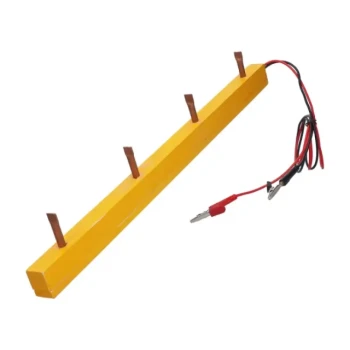
- HONESTBEE Wooden Bar Copper Prong Wire Embedder for Battery Operation
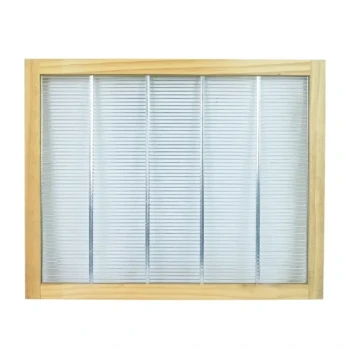
- Premium Wood Framed Metal Wire Queen Bee Excluder
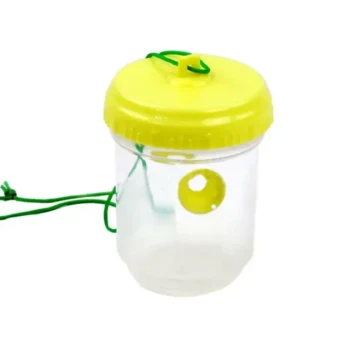
- Compact Multi-Funnel Hanging Wasp Trap
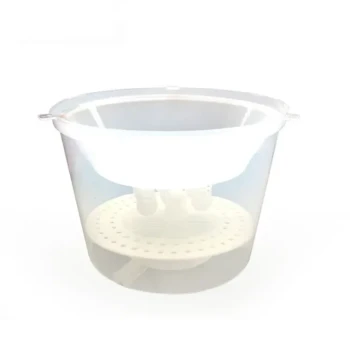
- Professional Multi-Component Bucket Wasp Trap
- Endless Loop Ratchet Hive Strap
People Also Ask
- What tools and materials are required for wiring a beehive frame? Essential Equipment for Stronger Honeycomb
- What is the purpose of bee frame wire? Secure Wax Foundation and Reinforce Honeycomb
- What is the specified wire gauge for the bee frame wire? Mastering 26-Gauge Wire for Durable Honeycomb Support
- What material is bee frame wire typically made from? The Critical Choice for Hive Health
- What is the final step in wiring a frame? Secure Lasting Tension for a Durable Hive