The primary purpose of using dark glass bottles is to act as a critical light-shielding barrier against chemical degradation. Propolis contains sensitive active components, specifically flavonoids and phenolic compounds, which break down rapidly upon exposure to light. By filtering out harmful ultraviolet and visible light, dark glass prevents instability and preserves the tincture's antimicrobial efficacy throughout extraction and storage.
Light sensitivity is the single greatest threat to the stability of propolis tinctures after extraction. Dark glass containers prevent photo-oxidation, ensuring that the bioactive compounds responsible for the product's medicinal value remain stable and effective over time.
Preserving Bioactive Integrity
The Vulnerability of Key Compounds
The medicinal quality of propolis relies heavily on its concentration of flavonoids and phenolic compounds. These core active components are chemically fragile and highly sensitive to light exposure. Without protection, their molecular structure can alter, reducing the product's therapeutic potential.
Preventing Photo-Oxidation
When propolis extracts are exposed to light, they undergo photo-oxidation reactions. This process degrades the bioactive resins and aromatic compounds dissolved in the alcohol. Dark glass effectively stops this reaction mechanism by blocking the energy source required to initiate it.
Maintaining Antimicrobial Stability
The primary biological function of propolis is its antibacterial activity. The stability of the antimicrobial active substances is directly linked to light exposure. Utilizing containers with effective shading properties is essential to ensure the final product retains its ability to fight bacteria.
Mechanisms of Protection
Blocking Ultraviolet Radiation
Dark glass, particularly amber glass, acts as a filter for ultraviolet (UV) and short-wave visible light. These specific wavelengths are the most damaging to organic compounds. By acting as a physical barrier, the glass prevents these rays from interacting with the tincture inside.
Retention of Volatile Components
In addition to resins, propolis contains essential oils and volatile aromatic compounds. These components contribute to the complex chemical profile of the tincture. Light shielding helps prevent the loss or alteration of these volatile elements, preserving the full spectrum of the extract.
Understanding the Factors Beyond Light
The Role of Alcohol as a Solvent
High-purity alcohol is used to extract bioactive ingredients and transform viscous raw propolis into a stable liquid. However, while alcohol solves the problem of dosing and absorption, it offers no protection against light. The container must compensate for the solvent's transparency.
Temperature Control is Still Required
While dark glass solves the issue of light sensitivity, it does not insulate against heat. Even in a dark bottle, high temperatures can degrade the chemical stability of the tincture. Low-temperature storage combined with light shielding is necessary for optimal preservation.
Ensuring Medicinal Quality in Your Process
To guarantee the efficacy of your propolis tincture, consider these specific priorities:
- If your primary focus is maximizing potency: Ensure that the extraction vessel itself is made of dark glass or kept in a dark room, as degradation of flavonoids begins the moment they are dissolved.
- If your primary focus is long-term shelf life: Pair dark glass packaging with cool, temperature-controlled storage to prevent both photo-oxidation and thermal breakdown of volatile oils.
Ultimately, the use of dark glass is a non-negotiable standard for maintaining the therapeutic promise of any professional propolis formulation.
Summary Table:
| Protection Factor | Role in Propolis Preservation | Impact on Quality |
|---|---|---|
| UV Filtration | Blocks harmful ultraviolet and short-wave visible light | Prevents molecular breakdown of resins |
| Photo-oxidation | Inhibits light-triggered chemical reactions | Maintains integrity of flavonoids and phenolics |
| Potency Retention | Secures antimicrobial active substances | Ensures consistent therapeutic efficacy |
| Aroma Preservation | Shields volatile oils and aromatic compounds | Maintains the full-spectrum chemical profile |
Elevate Your Beekeeping Business with HONESTBEE
At HONESTBEE, we understand that the quality of your propolis extract depends on the integrity of your tools and processes. We cater exclusively to commercial apiaries and distributors, providing a comprehensive wholesale range of professional-grade beekeeping machinery and essential supplies.
Whether you need precision honey-filling machines for your tinctures, specialized hive-making hardware, or high-quality consumables for industrial-scale production, our portfolio is designed to enhance your efficiency and product stability. Partner with a supplier that values the science of apiculture as much as you do.
Ready to scale your production with industry-leading equipment?
References
- Bojan GOLIĆ́, Nina ZRNIĆ́. ANTIBACTERIAL ACTION OF PROPOLIS ON SELECTED BACTERIAL REFERENCE STRAINS. DOI: 10.7251/vetjen2001173k
This article is also based on technical information from HonestBee Knowledge Base .
Related Products
- 8 Frame and 10 Frame Propolis Trap Collector Screen for Propolis Collection
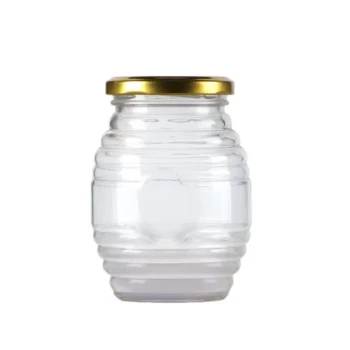
- Classic Glass Honey Jar with Metal Lug Cap for Beehive Storage
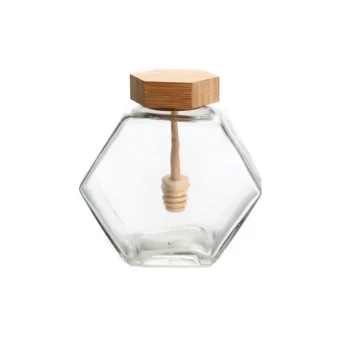
- Hexagonal Glass Honey Jar with Wooden Lid Integrated Dipper Elegant Functional Storage
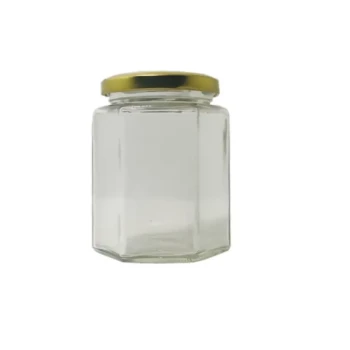
- Hexagonal Glass Honey Jars with Metal Lug Caps Elegant Versatile Packaging
People Also Ask
- Why is a specific wooden frame required when installing a propolis screen? Optimize Your Propolis Harvest Efficiency
- What are the advantages of using propolis collector screens? Elevate Your Harvest to Pharmaceutical Purity
- How do propolis collection screens work? Discover material specs for commercial harvesting equipment
- How does the mesh size of a propolis collection screen influence the efficiency of propolis harvesting? Optimize Yields!
- How do commercial-grade plastic screens compare to custom fine-mesh screens? Maximize Your Propolis Yield & ROI