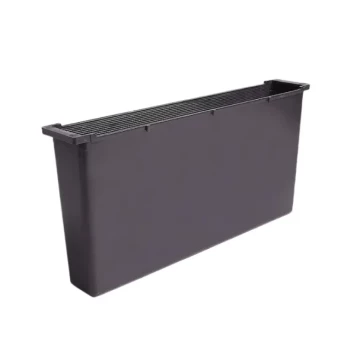
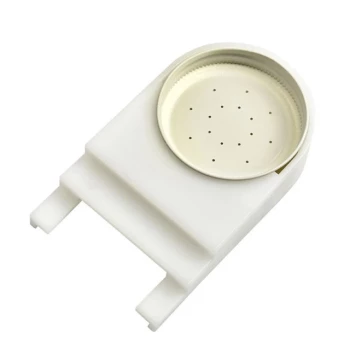
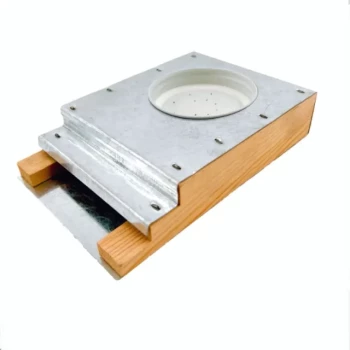
Properly installing a beehive feeder requires preparing the hive's upper surface and strictly validating the equipment's integrity before full use. You must remove existing covers to ensure direct access, verify the feeder is watertight with a low-volume test, and manually guide the bees to the new food source.
The most critical step is the "leak test": never fill a new feeder to capacity immediately. Start with a shallow layer of syrup to ensure the reservoir holds liquid, preventing a leak that could drown the colony or trigger robbing.
Preparing the Hive for Installation
To ensure the colony can access the food, you must establish a clear path from the brood nest to the feeder.
Clearing the Workspace
Remove any existing inner cover or quilt box from the top of the hive. The feeder is designed to interact directly with the upper hive body.
Verifying Access Gaps
Inspect the top bars of the uppermost frames. Ensure there are sufficient gaps between these bars so bees can travel upward to access the feeder mechanism from below.
Environmental Protection
Ensure the feeder is enclosed to protect it from sun, wind, rain, and robber bees. Depending on your specific model, this may require placing an empty hive box around the feeder before adding the outer cover.
The Initial Filling Procedure
Once the feeder is in place, do not fill it to capacity. You must follow a specific protocol to ensure safety and uptake.
The Leak Test
For the initial fill, pour only a 1/2 inch depth of sugar syrup into the reservoir. This volume is sufficient to test the seals but small enough to contain if the unit leaks.
Seasonal Syrup Consistency
Match the syrup consistency to the season. Use a 1:1 ratio (sugar to water) in the spring to encourage brood rearing, and a thick 2:1 ratio in the fall for winter storage.
Attracting the Colony
Bees may not immediately recognize the new structure as a food source. Splash a few drops of syrup down through the mesh directly onto the hive's top bars. This creates a scent trail that lures the bees upward.
Common Pitfalls to Avoid
Even with the correct equipment, minor oversights during installation can lead to major setbacks for the colony.
The Risk of Immediate Filling
Skipping the 1/2 inch test fill is a dangerous error. If a full feeder leaks, it will drench the bees, potentially chilling the brood and drowning the queen.
Ignoring the Mesh Barrier
Ensure the hardware cloth or mesh is intact. This barrier allows bees access to the liquid but prevents them from falling into the deep reservoir and drowning.
Making the Right Choice for Your Goal
When feeding your bees, tailor your approach to the immediate needs of the colony.
- If your primary focus is equipment safety: Prioritize the 1/2 inch depth test to verify the feeder's watertight seal before adding significant weight to the hive top.
- If your primary focus is rapid consumption: Ensure you splash syrup through the mesh onto the top bars to immediately notify the scout bees of the new resource.
Correct placement and a cautious initial fill ensure your bees are fed without compromising the hive's internal environment.
Summary Table:
| Step | Action Item | Key Goal |
|---|---|---|
| Preparation | Remove inner cover; clear access gaps | Ensure bees can travel from brood nest to feeder |
| Protection | Enclose feeder with empty hive box | Prevent robbing and environmental damage |
| Initial Fill | Add 1/2 inch of syrup (Leak Test) | Verify equipment integrity to prevent drowning |
| Luring | Splash drops onto top bars | Establish a scent trail to guide scout bees |
| Consistency | 1:1 (Spring) / 2:1 (Fall) | Match syrup ratio to seasonal colony needs |
Maximize Your Apiary Efficiency with HONESTBEE
Success in beekeeping starts with reliable equipment. HONESTBEE is a dedicated partner for commercial apiaries and distributors, providing a comprehensive wholesale range of professional-grade tools.
Whether you need specialized beehive feeders, hive-making machinery, or automated honey-filling systems, our products are designed to scale your operations and protect your colonies. We offer everything from essential industry consumables to unique honey-themed cultural merchandise to help your brand stand out.
Ready to upgrade your professional beekeeping inventory?
Contact HONESTBEE Today to discuss our wholesale offerings and discover how our high-performance equipment can drive your business growth.
Related Products
- Rapid Bee Feeder White Plastic 2L Round Top Feeder for 8 or 10-Frame Bee Hives
- 3.5L Plastic Beehive Frame Feeder Deep Frame Water Feeder for In Hive Use
- HONESTBEE Round Hive Top Bee Feeder for Syrup
- HONESTBEE Square Top Hive Bee Feeder Top Bee Feeder
- HONESTBEE Entrance Bee Feeder Professional Hive Nutrition Solution for Beekeeping
People Also Ask
- What should be done with feeders and equipment after feeding bees? Essential Steps for Apiary Health
- What should be done if feed in a feeder is not consumed by the bees? Prevent Hive Mold with Prompt Feed Management
- What is the necessity of specialized internal or entrance feeders? Secure Your Hive with Professional Feeding Tools
- How do bee feeders work to preserve colony health during nectar shortages? Essential Guide for Beekeepers
- How quickly does a medium to strong colony usually empty a feeder? A Beekeeper's Guide to Hive Health