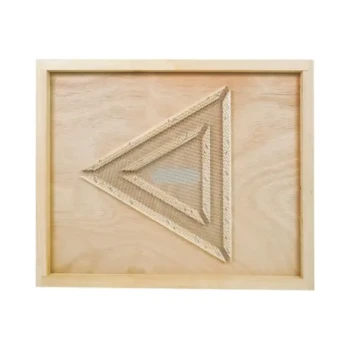
The modified double-layer metal mesh bottom board is a precision-engineered hive component consisting of two layers of galvanized metal mesh spaced exactly 16.5 mm apart. Its primary function is to facilitate superior air convection, significantly lowering internal temperatures at both the center and edges of the nest to prevent colony overheating during peak summer or high-stress transportation.
This specialized bottom board replaces traditional solid wood floors with a dual-aperture mesh system designed to optimize thermodynamic regulation. By prioritizing airflow over insulation, it serves as a critical tool for commercial beekeepers managing large-scale migrations or high-heat environments.
The Technical Architecture of the Dual-Layer System
Precision Mesh Specifications
The structure features an upper layer with a detachable 2.5 mm aperture mesh and a lower layer with a fixed 3.2 mm aperture mesh. This specific configuration allows for debris filtration while maintaining the structural integrity required to support the weight of a full hive stack.
Optimized Convection Spacing
The 16.5 mm gap between the galvanized layers is the core of its microclimate functionality. This physical void creates a "buffer zone" that encourages constant air exchange, breaking the heat stagnation common in solid-bottomed hives.
Durability and Material Choice
Using galvanized metal ensures the component can withstand the high-moisture environment of a beehive and the physical rigors of transport. This material choice offers a significantly longer service life compared to traditional wood, which is prone to rot and pest infestation from ground contact.
Microclimate Impact and Colony Health
Advanced Thermal Regulation
Unlike solid wood boards that trap heat, the metal mesh system effectively lowers temperatures across the entire hive footprint. This is particularly vital for preventing colony collapse caused by thermal stress during honeybee transport or extreme heatwaves.
Isolation from Ground Hazards
While the mesh facilitates airflow, the unit retains the primary function of a bottom board by acting as a sturdy foundation. It isolates the colony from ground-level moisture and prevents the invasion of specific ground pests that thrive in damp, enclosed hive bases.
Entrance and Landing Dynamics
The bottom board continues to serve as the primary access point and landing platform for foraging bees. Its open-front design facilitates easy colony defense and management while allowing bees to enter and exit efficiently.
Understanding the Trade-offs
Weather and Moisture Management
Because the front of the bottom board is open, the entire hive must be tilted slightly forward during installation. This prevents rainwater from running into the hive, which is a common risk with high-airflow mesh structures.
Seasonal Limitations
In colder climates or during winter months, the high ventilation that provides a summer advantage can become a liability. Beekeepers may need to implement insulation inserts or swap to reversible solid boards to help the colony maintain cluster warmth when external temperatures drop.
Weight and Handling
While the metal mesh is durable, the combination of a wooden frame and dual-layer galvanized steel adds specific weight to the base. Distributors should ensure their logistics chains are prepared for the structural density of these premium components compared to standard screened bottom boards.
Optimizing Your Product Portfolio
Strategic Recommendations for B2B Buyers
As a distributor or wholesaler, integrating these advanced components into your catalog demonstrates a deep understanding of modern apiculture challenges. High-performance bottom boards are increasingly sought after by commercial operations looking to reduce losses during transit.
- If your primary focus is high-heat or migratory beekeeping: Prioritize the modified double-layer mesh as a premium upgrade to prevent colony overheating and transport stress.
- If your primary focus is general-purpose retail: Offer this as a "one-stop" solution for professional-grade hive kits, highlighting its durability and superior ventilation over standard wood floors.
- If your primary focus is rapid fulfillment for large contracts: Leverage our expertise in large-scale sourcing to ensure consistent supply and ultra-fast delivery of these specialized technical components.
By providing high-efficiency thermal management tools, you empower your clients to maintain healthier, more productive honeybee colonies in any environment.
Summary Table:
| Feature | Specification | Primary Benefit |
|---|---|---|
| Material | Galvanized Metal | High durability and corrosion resistance |
| Convection Gap | 16.5 mm | Optimized airflow for thermal regulation |
| Upper Mesh | 2.5 mm Aperture | Effective debris filtration |
| Lower Mesh | 3.2 mm Aperture | Enhanced structural integrity |
| Primary Function | Microclimate Management | Prevents overheating during heatwaves/transport |
Partner with HONESTBEE for Premium Beekeeping Solutions
Elevate your product catalog with HONESTBEE, the leading one-stop sourcing partner for commercial apiaries and B2B distributors. We provide a full spectrum of professional equipment—from precision-engineered double-layer mesh bottom boards and hive-making machinery to honey-themed merchandise and essential consumables.
Why Choose HONESTBEE?
- Comprehensive Portfolio: Access everything from specialized hardware to honey-filling machines.
- Rapid Fulfillment: Benefit from ultra-fast delivery and efficient order processing.
- Industry Expertise: Leverage our deep technical knowledge to support your OEM/ODM needs and maximize profit margins.
Ready to scale your wholesale business with high-performance apiary tools? Contact us today to request a quote!
References
- S. Skrypnyk, O. P. Razanova. Estimation of the bee nest temperature regime by improving the hive bottom construction. DOI: 10.33245/2310-9289-2025-194-1-62-71
This article is also based on technical information from HonestBee Knowledge Base .
Related Products
- Langstroth Solid Bottom Board for Beekeeping
- Langstroth Screen Bottom Board for Beekeeping Wholesale
- Solid Bottom Board Australian Pine Wood Langstroth Bottom Board for Wholesale
- Australian Pine Wood Langstroth Screen Bottom Board for Wholesale
- HONESTBEE Wooden Bee Escape Board with Triangle Mesh Design for Beekeeping
People Also Ask
- What are the functions of solid bottom boards for a beehive? Essential Thermal Protection and Winter Survival Tips
- What is the purpose of a solid bottom board for bee hives? Enhance Hive Health and Winter Survival
- How does climate influence the choice between a solid and screened bottom board? Optimize Your Hive for Local Weather
- What is the primary function of a bottom board in a modern modified beehive system? Essential Foundation Guide
- What are the characteristics of a solid bottom board for a beehive? Boost Colony Health and Thermal Insulation