High-strength ropes are the primary structural mechanism used to suspend and secure beehives in elevated environments, particularly within trees. By leveraging the high load-bearing capacity of these materials, beekeepers can isolate hives from ground-level hazards, protecting colonies from livestock, pests, and environmental threats while optimizing the layout of the apiary.
Core Takeaway The fundamental purpose of high-strength ropes is to facilitate vertical positioning, elevating hives to create a physical safety gap that ground-based predators, livestock, and floodwaters cannot cross.
The Mechanics of Elevation and Security
Leveraging Load-Bearing Capacity
The core technical attribute of these ropes is their load-bearing capacity. Because a beehive filled with honey and brood can be significant in weight, the rope must act as a reliable suspension system that maintains structural integrity over time.
Optimizing Spatial Layout
Using ropes allows for vertical stacking or positioning that does not rely on flat ground. This enables beekeepers to optimize the spatial layout of an apiary, utilizing vertical space in wild or outdoor environments where ground space may be uneven or unsuitable.
Mitigating Environmental and Biological Risks
Protection from Livestock
In mixed-use agricultural areas or wild environments, ground-level livestock pose a physical threat to hives through trampling or disturbance. Suspending hives with ropes places them effectively out of reach of these large animals.
Barrier Against Crawling Insects
Ropes facilitate the isolation of the hive from the soil. While specialized iron stands are sometimes used to prevent subterranean termite infestations through ground isolation, ropes achieve a similar goal by removing ground contact entirely. This suspension makes it significantly harder for crawling insects to access the hive compared to placement on the forest floor.
Flood Risk Resistance
In areas prone to seasonal or flash flooding, ground placement is catastrophic. High-strength ropes allow for positioning above potential flood lines, ensuring the hive remains dry and secure even during significant weather events.
Understanding the Trade-offs
Dependency on Anchorage Points
Unlike ground-based stands which can be placed anywhere, the use of ropes is strictly dependent on the availability of elevated anchors, such as sturdy trees. This limits the flexibility of apiary placement to areas with existing biological infrastructure (trees) capable of supporting the hive's weight.
Stability vs. Suspension
While suspension offers excellent isolation, it creates a dynamic system rather than a static one. Beekeepers must ensure the load-bearing capacity of the rope exceeds the maximum potential weight of a fully productive hive to prevent catastrophic failure.
Making the Right Choice for Your Project
To determine if high-strength rope suspension is the correct approach for your apiary, consider your specific environmental constraints.
- If your primary focus is Avoiding Flood Damage: Use ropes to elevate hives well above historical flood water levels to ensure colony survival.
- If your primary focus is Livestock Protection: Utilize ropes to suspend hives in trees, keeping them physically separated from grazing animals.
- If your primary focus is Spatial Optimization: Use ropes to exploit vertical space in dense forest environments where clearing ground space is impractical.
High-strength ropes transform trees into protective infrastructure, turning elevation into a key asset for colony survival.
Summary Table:
| Feature | Benefit of Rope Suspension | Impact on Apiary Management |
|---|---|---|
| Load-Bearing Capacity | Supports heavy honey-filled hives | Ensures long-term structural integrity and safety |
| Vertical Positioning | Elevates hives above flood lines | Protects colonies from water damage and dampness |
| Ground Isolation | Barriers against crawling insects & termites | Reduces pest infestations without chemical use |
| Spatial Layout | Utilizes trees instead of flat ground | Optimizes space in dense or uneven forest environments |
| Physical Security | Keeps hives out of reach of livestock | Prevents damage from trampling or animal disturbance |
Elevate Your Beekeeping Operation with HONESTBEE
Protecting your colonies requires more than just high-strength ropes—it demands a comprehensive suite of professional-grade tools. At HONESTBEE, we specialize in supporting commercial apiaries and distributors with a robust wholesale portfolio. From specialized beekeeping machinery and hive-making equipment to essential consumables and honey-themed cultural merchandise, we provide the industrial-strength solutions you need to scale your business.
Why partner with HONESTBEE?
- Comprehensive Wholesale Offering: A one-stop shop for all beekeeping hardware and machinery.
- Built for Scale: Reliable equipment designed for high-productivity commercial environments.
- Expert Industry Support: We help you optimize your apiary’s efficiency and safety.
Ready to upgrade your infrastructure? Contact HONESTBEE today to discuss our wholesale machinery and equipment solutions!
References
- G. M. Adebo, F. O. Osundare. Assessment of the Fiscal Performance of Bee Keeping For Employment Generation and Poverty Reduction in Osun State, Nigeria. DOI: 10.5296/jas.v3i2.8180
This article is also based on technical information from HonestBee Knowledge Base .
Related Products
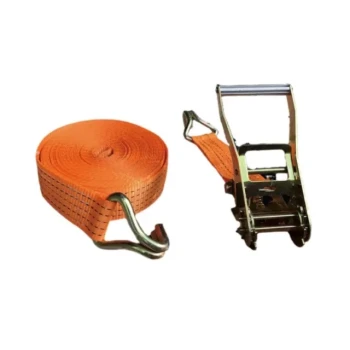
- Heavy Duty Ratchet Hive Strap
- High Security Emlock Strap System
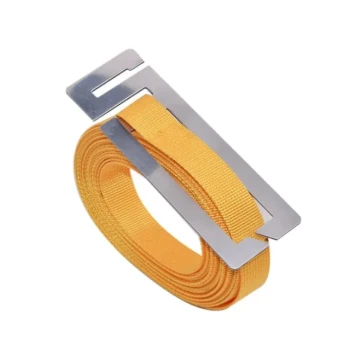
- Heavy-Duty Nylon Beehive Hive Strap with Stainless Steel Cinch Buckle
- Heavy-Duty Stainless Steel Frame Grip
- HONESTBEE Heavy Duty All Metal Frame Wire Crimper Tool
People Also Ask
- Why is the use of ratchet straps or high-strength ropes necessary for hive protection? Secure Your Colony Now
- What are the two styles of hive straps? Choose the Right Strap for Your Hive Security
- What maintenance do hive straps require? Keep Your Hives Secure with Simple Care Tips
- How should hive straps be stored? Prevent Tangles & Extend Strap Life
- What is the best choice for hive straps? Ratchet vs. Cam Buckle for Your Apiary