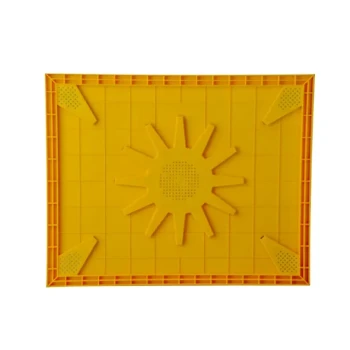
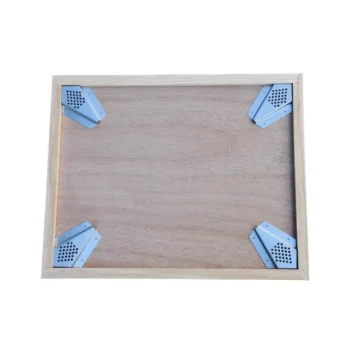
The structural design of the bottom board and lighting space serves as the primary biological defense and management interface for Apis cerana colonies. By mimicking the natural tree-hollow nesting sites of these bees, the design provides a narrow, defensible entrance and a stable internal environment that isolates the brood chamber from external stressors.
Effective Apis cerana management requires hardware that balances biological mimicry with industrial standardization. The bottom board and lighting space are not merely structural components; they are critical infrastructure that ensures colony security and simplifies commercial maintenance.
The Architecture of Hive Defense
Mimicking Natural Nesting Sites
The lighting space and entrance design are specifically engineered to replicate the conditions of a natural tree hollow. This bionic approach ensures that the bees feel secure, reducing colony stress and promoting natural foraging behaviors.
Enhancing Defensive Capabilities
The narrow entrance provided by the bottom board design allows Apis cerana to concentrate their guard bees effectively. This physical bottleneck is the colony's first line of defense against larger intruders and predatory wasps that might otherwise easily infiltrate a less structured hive.
Environmental Isolation and Stability
A stable, secure connection between the bottom board and the brood chamber creates an independent internal environment. This isolation protects the colony from sudden temperature fluctuations and moisture, which are critical factors in maintaining brood health.
Streamlining Commercial Management
Simplified Maintenance and Inspection
Modern bottom boards are designed to allow beekeepers to perform routine management with minimal disruption to the colony. Because the internal environment remains stable during bottom-board adjustments, the risk of triggering defensive behavior in Apis cerana is significantly reduced.
Facilitating Standardized Migration
For commercial operations, the structural integrity of the bottom board is essential for seasonal migration. High-quality, standardized components ensure that hives can be moved and stacked without compromising the entrance seal or the internal climate.
Data-Driven Colony Expansion
Standardized hive dimensions allow for accurate data recording and easier colony expansion. When the bottom board provides a consistent foundation, beekeepers can more reliably predict honey yields and manage the growth of the hive across multiple cycles.
Understanding the Trade-offs
Defense vs. Ventilation
While a narrow entrance is superior for defense, it can sometimes restrict airflow during periods of high humidity or heat. Beekeepers must ensure that the lighting space design includes subtle ventilation features to prevent overheating without compromising the colony's defensive posture.
Material Durability and Weight
Traditional wooden bottom boards offer excellent insulation and mimic natural materials, but they can be heavy and susceptible to rot if not treated correctly. Choosing high-grade, seasoned wood is essential to prevent warping, which could create gaps and render the "narrow entrance" defense ineffective.
Precision vs. Compatibility
Using non-standardized bottom boards can lead to poor fits between the brood chamber and the base. Even minor misalignments can disrupt the independent environment, making the hive harder to manage and easier for pests to enter.
Choosing the Right Infrastructure for Your Business
Professional Sourcing for Scalability
As a distributor or wholesaler, providing high-quality, standardized hive components is key to supporting professional beekeeping operations. Your inventory should reflect a deep understanding of the biological needs of Apis cerana while offering the durability required for commercial use.
- If your primary focus is rapid commercial scaling: Prioritize standardized, precision-manufactured hive sets that allow for fast assembly and consistent colony management across thousands of units.
- If your primary focus is colony health and honey quality: Invest in bionic hive designs that prioritize the stability of the internal environment and the defensive integrity of the entrance.
- If your primary focus is supply chain efficiency: Partner with a one-stop source that offers a full-spectrum product portfolio, ensuring that all components—from bottom boards to protective gear—are compatible and ready for immediate fulfillment.
By integrating scientifically-grounded design with professional-grade manufacturing, you provide beekeepers with the tools necessary for sustainable and profitable Apis cerana management.
Summary Table:
| Key Feature | Biological Defense Role | Commercial Management Benefit |
|---|---|---|
| Narrow Entrance | Mimics natural tree hollows; easy for guard bees to defend. | Reduces colony stress and defensive aggression during inspection. |
| Lighting Space | Provides a secure, dark environment that mimics wild nesting. | Enhances colony stability, leading to more predictable honey yields. |
| Structural Isolation | Protects the brood chamber from temperature and moisture shifts. | Ensures hive integrity during seasonal migration and stacking. |
| Precision Fitting | Eliminates gaps to prevent pest and predatory wasp infiltration. | Facilitates rapid assembly and standardized scaling for large apiaries. |
Scale Your Beekeeping Business with HONESTBEE Professional Infrastructure
Are you looking to enhance your wholesale inventory with industry-leading hive components? HONESTBEE provides a comprehensive one-stop sourcing solution tailored for distributors and commercial apiaries. From bionic bottom boards designed for Apis cerana to honey-filling machines and specialized hardware, our full-spectrum product portfolio ensures you stay ahead of the competition.
Why partner with HONESTBEE?
- Deep Industry Expertise: Products engineered for biological mimicry and maximum durability.
- Rapid Fulfillment: Ultra-fast delivery and efficient order processing to meet your market demands.
- Premium B2B Service: Dedicated support focusing on high profit margins and OEM/ODM reliability.
Ready to upgrade your supply chain? Contact us today to request a quote!
References
- Haldhar SM, A S Devi. Identified the hive designs for the Indian bee, Apis cerana himalaya, in the NEH region of India. DOI: 10.58628/jae-2418-113
This article is also based on technical information from HonestBee Knowledge Base .
Related Products
- Solid Bottom Board Australian Pine Wood Langstroth Bottom Board for Wholesale
- Australian Pine Wood Langstroth Screen Bottom Board for Wholesale
- Langstroth Solid Bottom Board for Beekeeping
- Langstroth Screen Bottom Board for Beekeeping Wholesale
- HONESTBEE Top Bar & Bottom Bar Forming Machine | Bee Frame Machine
People Also Ask
- In what conditions is a solid bottom board preferred over a screened bottom board? Maximize Hive Heat and Treatment
- What is the primary function of a solid bottom board on a beehive? Key Benefits for Hive Stability and Insulation
- What are the characteristics of a solid bottom board? A Guide to Hive Foundation & Climate Control
- How should a solid bottom board be cleaned? Essential Scraping Tips for Apiary Hygiene
- How is the wood of the solid bottom board treated to enhance its durability? Discover the 100% Beeswax Dipping Secret