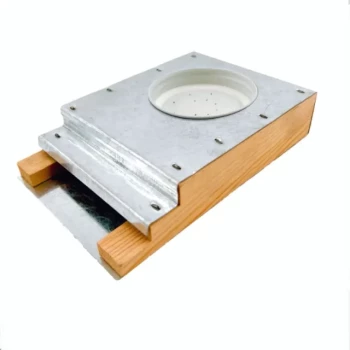
The syrup feeder acts as the essential delivery vehicle for microencapsulated probiotics in honey bee colonies. By integrating microencapsulated lactic acid bacteria into a sugar syrup solution, the feeder facilitates active ingestion by worker bees, ensuring the probiotics enter the colony's internal circulation. This method provides a controlled, uniform distribution of beneficial bacteria throughout the hive, supporting gut health and colony resilience during critical seasonal transitions.
The syrup feeder serves as the primary administration port, transforming a nutritional supplement into a manageable, hive-wide health treatment. For B2B partners, offering high-quality feeders alongside probiotic supplements provides an integrated solution that ensures maximum bioavailability and colony-wide distribution.
The Strategic Role of Syrup Feeders in Hive Health
A Precision Delivery Medium
The syrup feeder serves as the primary channel for introducing active microencapsulated lactic acid bacteria into the hive. By mixing these microcapsules into a specific ratio of sugar syrup—typically 1:1 or 2:1—the feeder makes the probiotic treatment highly palatable to worker bees.
Facilitating Uniform Distribution
Once the mixture is placed in the feeder, worker bees consume it and distribute the active ingredients throughout the colony. This ensures that the probiotics effectively enter the digestive tracts of individual bees, promoting a balanced microbiome across the entire population.
Simulating Natural Nectar Flow
Feeders are designed to simulate a natural nectar flow, which triggers the foraging and feeding instincts of the worker bees. This stimulative feeding is particularly vital during the nectar dearth in early spring or late autumn, ensuring the colony remains active and healthy when natural resources are unavailable.
Optimizing Bioavailability and Management
Enhancing Supplement Stability
Microencapsulation protects sensitive lactic acid bacteria from environmental stressors. The syrup feeder ensures these protected microbes are delivered directly to the target—the bee’s gut—without the loss of efficacy often seen in broadcast application methods.
Professional Management at Scale
In commercial apiaries, large-capacity feeders allow for the standardized application of health-boosting additives across thousands of hives. Our deep professional expertise enables us to support distributors in selecting feeding systems that minimize labor while maximizing the health outcomes of the colony.
Supporting Colony Reconstruction
Following mite-reduction techniques like the "shook swarm," colonies often lack stored food. In these scenarios, large-capacity feeders provide the necessary energy compensation while simultaneously delivering the probiotics needed to rebuild a healthy, productive worker population.
Understanding the Trade-offs
The Risk of Sedimentation
While syrup is an excellent carrier, microcapsules may settle at the bottom of the feeder if the syrup density is incorrect. This can lead to inconsistent dosing, where the first bees receive a lower concentration than those feeding later.
Potential for Hive Robbing
Open or poorly designed feeders can attract bees from neighboring colonies, leading to robbing behavior. This not only stresses the hive but can also lead to the unintended spread of pathogens between apiaries if hygiene standards are not strictly maintained.
Maintenance and Contamination
Feeders require regular cleaning to prevent the growth of mold or harmful bacteria in the sugar solution. If not managed with professional rigor, the feeder can become a source of cross-contamination rather than a tool for health.
Leveraging Integrated Solutions for Market Success
Successful distribution in the apiculture sector requires a balance of high-quality hardware and advanced biological supplements. By providing a full-spectrum product portfolio, you position your business as a comprehensive resource for commercial beekeepers.
- If your primary focus is one-stop sourcing: Partner with providers who offer both the feeding hardware and the microencapsulated supplements to streamline your supply chain.
- If your primary focus is rapid response and fulfillment: Prioritize distributors with established logistics networks capable of ultra-fast delivery during critical spring buildup periods.
- If your primary focus is professional expertise: Look for suppliers who provide technical data on syrup-to-probiotic ratios to help your customers achieve the best field results.
Empowering your clients with the right tools and knowledge ensures the long-term vitality of their colonies and the growth of your business.
Summary Table:
| Key Role | Impact on Colony Health | Management Insight |
|---|---|---|
| Delivery Vehicle | Ensures uniform ingestion of probiotics | Mixing ratio (1:1/2:1) is critical for palatability |
| Nectar Simulation | Triggers natural foraging/feeding instincts | Vital during dearth periods (Spring/Autumn) |
| Bioavailability | Protects sensitive microbes via direct delivery | Prevents loss of efficacy seen in broadcast methods |
| Scalability | Standardizes treatment across thousands of hives | High-capacity feeders reduce commercial labor costs |
Scale Your Success with HONESTBEE’s One-Stop Wholesale Solutions
Maximize your profit margins and supply reliability by partnering with HONESTBEE. We specialize in supporting distributors and B2B resellers with a comprehensive, full-spectrum product portfolio—from high-capacity syrup feeders and honey-filling machinery to essential apiary consumables.
Why Choose HONESTBEE?
- Comprehensive Sourcing: One-stop access to specialized hardware, hive-making tools, and honey-themed merchandise.
- Rapid Fulfillment: Experience ultra-fast delivery and efficient order processing to keep your inventory stocked during peak seasons.
- Industry Expertise: Leverage our deep professional knowledge and OEM/ODM support to provide your clients with superior beekeeping technology.
- Exceptional Service: Benefit from our dedicated support team and rapid response times.
Ready to elevate your beekeeping distribution? Contact HONESTBEE Today to explore our wholesale offerings and secure your supply chain with a premium industry partner.
References
- Fatma Mahmoud, Eman Essa. Prophylactic and biocontrol effect of the microencapsulated lactic acid bacteria extracted from honey bee gut against some diseases of the honey bee, Apis mellifera L.. DOI: 10.1186/s41938-025-00850-7
This article is also based on technical information from HonestBee Knowledge Base .
Related Products
- HONESTBEE Round Hive Top Bee Feeder for Syrup
- HONESTBEE Entrance Bee Feeder Efficient Hive Front Liquid Feeding Solution for Beekeeping
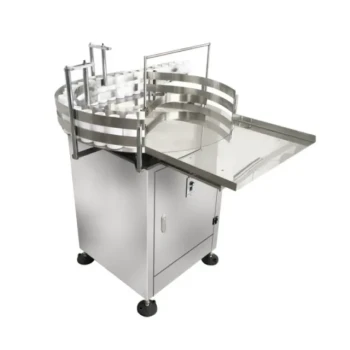
- Automated Rotary Bottle Unscrambler for Honey Production Line
- Professional Hive Top Bee Feeder for Beekeeping
- HONESTBEE Professional Hive Top Bee Feeder Feeding Solution
People Also Ask
- What can the round hive top feeder be used for? A Guide to Efficient, Safe Bee Feeding
- What types of hive boxes is the round hive top feeder compatible with? Universal Fit for 8 & 10-Frame Langstroth Hives
- What is the capacity of the round hive top feeder for syrup and pollen? A Guide to Targeted Apiary Support
- What types of feed can be used with the round hive top feeder? Versatile Feeding for Optimal Apiary Health
- What are the different types of top feeders for bees? Choosing the Best Feeder for Your Apiary