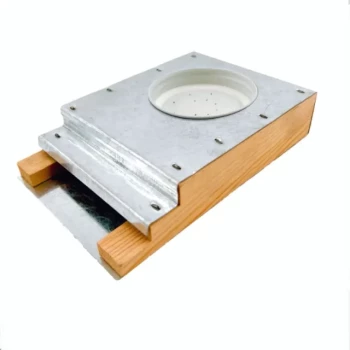
The top box feeder is the primary tool for rapid energy accumulation during the critical autumn management phase. By facilitating the delivery of high-concentration sugar solutions—typically at a 2:1 sucrose-to-water ratio—it allows honeybee colonies to build massive food stores before the first frost. This high-capacity equipment is essential for ensuring bees have the metabolic fuel required to generate heat and survive harsh winter climates.
The top box feeder acts as a high-efficiency nutrient delivery system that maximizes winter food storage while protecting the hive's thermal integrity. For distributors and wholesalers, this tool is a cornerstone of a professional overwintering product portfolio, directly impacting the survival rates of their clients' colonies.
Maximizing Energy Storage Efficiency
High-Volume Nutrient Loading
The primary function of a top box feeder is to provide a large-scale supply of carbohydrates in a short window of time. Because it sits directly above the colony, it allows for the rapid uptake of syrup without the frequent refills required by smaller, frame-based feeders.
Simulating Natural Nectar Flows
By providing a consistent, high-concentration source of sucrose, these feeders simulate a late-season nectar flow. This encourages the bees to store "winter honey" in the upper frames, creating a stable food dome that they can access as they move upward through the hive during the cold months.
Supporting Metabolic Heat Production
Survival in winter depends entirely on the colony's ability to maintain a cluster temperature. The energy provided via the top box feeder is converted into metabolic heat, ensuring the bees can maintain the core temperature necessary for survival during non-foraging periods.
Protecting the Hive Micro-Climate
Minimizing Thermal Disruption
Traditional feeding methods often require opening the hive body, which allows precious heat to escape. Top box feeders are designed to be accessed from the top, allowing beekeepers to replenish supplies without disturbing the brood nest or breaking the propolis seal that keeps the hive insulated.
Strategic Functional Zoning
Modern beekeeping relies on separating the reproductive area (the brood box) from the storage area. Utilizing a top feeder ensures that the brood-rearing activity remains concentrated in the lower levels while the upper levels are dedicated to the energy reserves needed for the winter.
Gut Microbiota and Physiological Stamina
Providing high-quality syrup through a top feeder 2–3 months before the first frost helps establish a stable internal environment for the bees' gut microbiota. This physiological preparation, often paired with pollen substitutes, ensures that the "winter bees" being reared have the protein and energy reserves to live for several months rather than weeks.
Understanding the Trade-offs
The Risk of Late-Season Humidity
While high-capacity feeding is beneficial, introducing large volumes of liquid feed too late in the season can increase internal hive humidity. If the bees do not have enough time to dehydrate the syrup before it turns cold, excess moisture can lead to mold or dysentery within the colony.
Physical Weight and Handling
Top box feeders, when full, add significant weight to the top of the hive stack. This requires sturdy hive stands and careful handling by the beekeeper to avoid tipping or structural stress on the hive components.
Cost vs. Efficiency
Compared to simple boardman feeders, top box feeders represent a higher initial investment for the beekeeper. However, the reduction in labor costs and the significant increase in colony survival rates typically provide a superior return on investment for professional operations.
Optimizing Your Inventory for Overwintering Success
As a distributor or wholesaler, your goal is to provide a comprehensive suite of tools that ensure your clients' success during the most challenging season of the year.
- If your primary focus is high-volume commercial operations: Stock high-capacity top box feeders that emphasize rapid filling and minimal hive disruption to reduce labor overhead.
- If your primary focus is technical beekeeping and research: Prioritize feeders that allow for the simultaneous delivery of both liquid sucrose and protein supplements to support precise nutritional trials.
- If your primary focus is supply chain reliability: Leverage our rapid response times and ultra-fast delivery to ensure your inventory is stocked well before the autumn feeding window begins.
The right feeding infrastructure is the difference between a thriving spring colony and a winter loss.
Summary Table:
| Feature | Function in Overwintering | Strategic Benefit |
|---|---|---|
| High-Volume Capacity | Rapid 2:1 sucrose loading | Builds massive energy stores before the first frost. |
| Top-Entry Design | Maintains thermal integrity | Minimizes heat loss during refills without disturbing the cluster. |
| Strategic Placement | Encourages "Food Dome" storage | Simulates natural nectar flow to keep stores accessible in upper frames. |
| Labor Efficiency | Reduced refill frequency | Lowers operational overhead for large-scale commercial apiaries. |
Scale Your Wholesale Success with HONESTBEE
Equip your clients with the industry's most reliable overwintering tools. HONESTBEE specializes in serving commercial apiaries and B2B distributors with a comprehensive, one-stop sourcing experience. From high-capacity top box feeders to advanced honey-filling machinery and essential consumables, our full-spectrum product portfolio is designed to maximize your profit margins and ensure supply chain reliability.
Why Partner with Us?
- Deep Industry Expertise: Professional-grade equipment tailored for commercial success.
- Rapid Response & Delivery: Ultra-fast order fulfillment to meet seasonal demands.
- Dedicated Support: Exceptional customer service focused on your growth.
Ready to elevate your inventory with premium beekeeping hardware and cultural merchandise? Contact our wholesale team today to receive a customized quote and experience the HONESTBEE advantage!
References
- Yi Zhu, Tiago H. Falk. MSPB: a longitudinal multi-sensor dataset with phenotypic trait measurements from honey bees. DOI: 10.1038/s41597-024-03695-1
This article is also based on technical information from HonestBee Knowledge Base .
Related Products
- HONESTBEE Professional Hive Top Bee Feeder Feeding Solution
- Professional Hive Top Bee Feeder for Beekeeping
- HONESTBEE Square Top Hive Bee Feeder Top Bee Feeder
- HONESTBEE Round Hive Top Bee Feeder for Syrup
- Rapid Bee Feeder White Plastic 2L Round Top Feeder for 8 or 10-Frame Bee Hives
People Also Ask
- How does a bee hive top feeder work? A Guide to Efficient, Protected Feeding
- What is a hive top feeder? A Guide to Efficient, Low-Stress Beekeeping
- Do I need an inner cover with a hive top feeder? Optimize Your Hive Setup for Healthy Bees
- What is a hive top feeder, and how does it work? A Complete Guide to Efficient In-Hive Feeding
- What are the characteristics, advantages, and disadvantages of hive top feeders? Optimize Your High-Volume Feeding