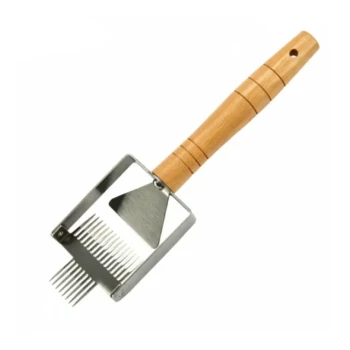
To maximize uncapping efficiency, prioritize a batch-processing workflow. By organizing frames into groups rather than handling them individually, you establish a consistent rhythm that significantly reduces downtime and maintains focus throughout the extraction process.
Core Takeaway Efficiency in uncapping relies less on speed and more on organization. Establishing a clutter-free "assembly line" for batch processing, paired with the correct tool selection, prevents bottlenecks and ensures both operator safety and product purity.
Optimizing Process Flow
The Power of Batch Processing
Do not uncap frames in isolation. Group your frames into batches before you begin cutting.
This approach creates a continuous workflow, allowing you to maintain a steady physical rhythm. Reducing the stop-and-start nature of the work minimizes fatigue and speeds up the overall timeline.
Workspace Organization
A clutter-free environment is essential for speed. Ensure your workspace is explicitly organized to support the flow of frames from the super, to the uncapping station, and into the extractor.
Keep tools in designated spots to prevent searching or fumbling. An organized station also facilitates quicker cleanup after extraction is complete.
Preventing Contamination
Hygiene must be integrated into the workflow. Use clean, dedicated containers to collect both the honey and the wax cappings immediately as they fall.
Wear protective gear, such as gloves and aprons, to keep the product pure. A chaotic workspace increases the risk of debris or dirt entering the honey.
Selecting the Right Tools for the Job
The Primary Cut
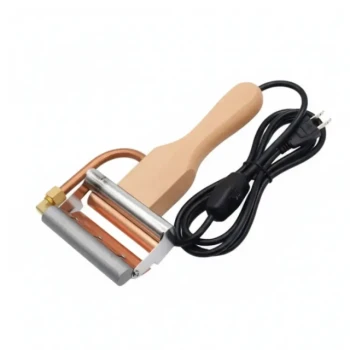
Electric uncapping knives generally offer the highest efficiency. They cut through wax caps quickly with minimal physical effort compared to cold knives.
For those prioritizing precision over raw speed, an uncapping plane with an adjustable blade allows for a controlled depth of cut.
Handling Missed Cells
No single pass is perfect. Uneven comb surfaces often mean a knife or plane will miss recessed areas.
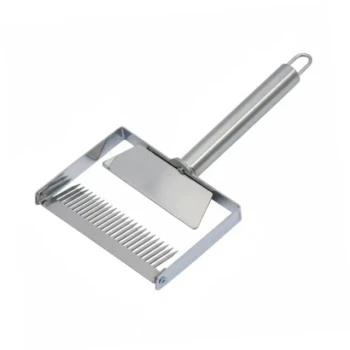
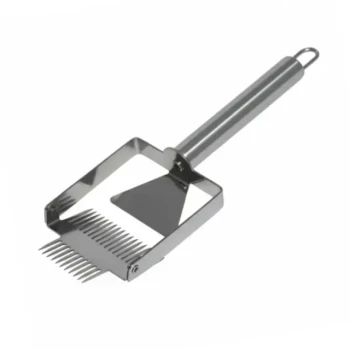
Keep a cap scratcher within arm's reach. This tool allows you to quickly open missed cells without disrupting the rhythm of the main cut.
Low-Impact Alternatives
Consider an uncapping roller for preservation. This tool uses small pins to pierce caps rather than slicing them off.
You must roll it over the frame several times in different directions. While this leaves more wax on the frame for the bees to reuse, it changes the workflow from a single slice to a multi-directional motion.
Understanding the Trade-offs
Speed vs. Wax Preservation
Knives are faster, but rollers are less invasive. An electric knife slices off the cappings rapidly, which is excellent for high-volume harvests, but it removes wax that bees must rebuild.
Rollers preserve the comb structure but typically require more time and passes to ensure every cell is pierced, potentially slowing the batch rhythm.
Heated vs. Cold Tools
Heated tools increase speed but add risk. Electric knives glide through wax easily, reducing wrist strain. However, they introduce hot surfaces and cords into a sticky environment, requiring strict safety discipline to prevent burns or electrical hazards.
Cold knives eliminate these risks but require significantly more physical force and may slow down as the wax accumulates.
Making the Right Choice for Your Goal
To select the best workflow for your specific apiary needs:
- If your primary focus is speed and volume: Use an electric uncapping knife within a strict batch-processing system to move frames quickly.
- If your primary focus is comb preservation: Utilize an uncapping roller to pierce cells without removing the wax caps, accepting a slightly slower pace.
- If your primary focus is maximum yield: Combine a knife for the bulk work with a scratcher to meticulously open every recessed cell the knife missed.
An organized workflow is the difference between a chaotic chore and a streamlined harvest.
Summary Table:
| Workflow Component | Best Tool / Method | Primary Benefit |
|---|---|---|
| High-Volume Speed | Electric Uncapping Knife | Rapid slicing with minimal physical effort |
| Comb Preservation | Uncapping Roller | Pierces cells so bees can reuse wax structure |
| Precision Cleanup | Cap Scratcher | Opens recessed cells missed by knives or planes |
| Processing Style | Batch Processing | Establishes rhythm and reduces downtime |
| Safety & Hygiene | Dedicated Stations | Prevents contamination and workspace fumbles |
Elevate Your Commercial Extraction Efficiency with HONESTBEE
Optimizing your uncapping workflow is only half the battle; having industrial-grade equipment is the other. HONESTBEE specializes in supporting commercial apiaries and distributors with a complete spectrum of professional beekeeping tools and machinery.
Whether you are looking to scale your operations with high-speed honey-filling machines, durable hive-making equipment, or essential industry consumables, we provide the wholesale solutions you need to grow. Partner with us to streamline your production and bring superior quality to your customers.
Ready to upgrade your apiary’s output? Contact us today to explore our wholesale catalog!
Related Products
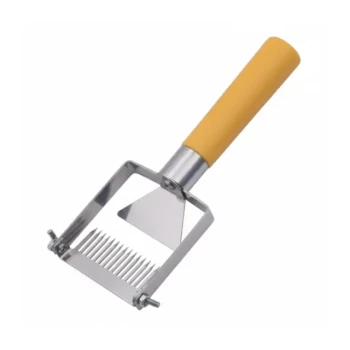
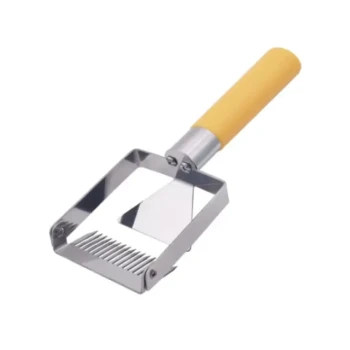
- All-Stainless Steel Pivoting Honey Uncapping Fork for Beekeeping
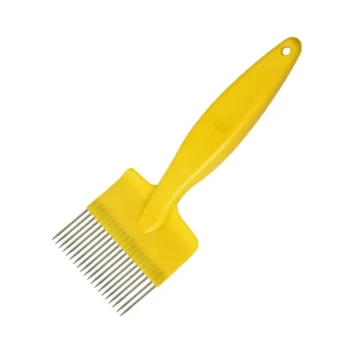
- Adjustable Stainless Steel Honey Uncapping Fork with Plastic Handle for Beekeeping
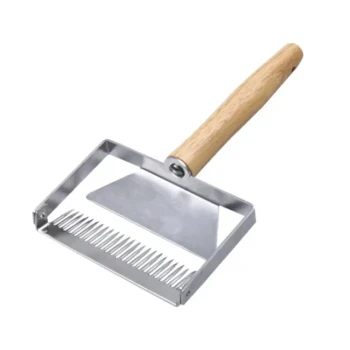
- Adjustable Stainless Steel Honey Uncapping Fork with Scraper for Beekeeping
- Wide Adjustable Stainless Steel Honey Uncapping Fork with Scraper
- Adjustable Stainless Steel Honey Uncapping Fork with Scraper Beekeeping Tool
People Also Ask
- How does a honey uncapping fork supplement the use of an uncapping knife? Boost Your Honey Yield and Extraction Efficiency
- What is the design purpose of honey uncapping forks and honey uncapping tanks? Maximize Your Harvest Efficiency
- What are the essential tools for uncapping honey frames? Choose the Right Tool for Your Apiary
- What is the primary function of specialized honey uncapping tools? Maximize Your Extraction Yield and Efficiency
- What tools are used for honey uncapping? Choose the Right Knife for Your Harvest