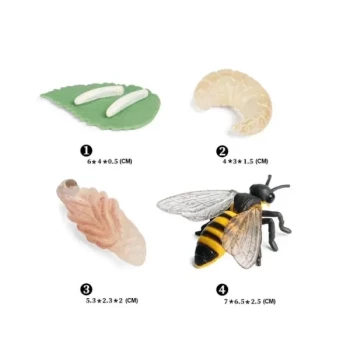
Sunken, perforated, or discolored brood cappings are specific clinical signs indicative of honey bee brood diseases. These visual abnormalities point directly to the presence of infections, most notably American foulbrood and chalkbrood.
While healthy brood cappings are typically convex and uniform in color, irregularities such as sinking or perforations signal underlying pathology. These symptoms are critical diagnostic markers used to identify bacterial or fungal infections threatening the developing larvae.
Interpreting Brood Abnormalities
The Visual Indicators of Disease
In a healthy colony, the cappings covering brood cells should be slightly convex and uniform in appearance.
When sunken, perforated, or discolored cappings appear, they serve as a clear alert that the larvae underneath are compromised.
These physical changes to the wax capping are often the first visible evidence of a serious infection spreading through the hive.
The Primary Culprits
American Foulbrood
The presence of irregular cappings is a strong indicator of American foulbrood.
This bacterial disease causes the larvae to die and decompose within the cell, often leading to the characteristic sinking of the capping.
Beekeepers observing these signs should treat the situation with high urgency, as this condition is highly contagious and destructive.
Chalkbrood
These specific capping abnormalities also suggest the presence of chalkbrood.
Unlike foulbrood, this is a fungal infection that transforms the larvae into hard, chalk-like mummies.
While the underlying pathogen differs from foulbrood, the external symptoms regarding the cappings can present similarly during inspection.
Diagnostic Challenges
Distinguishing Between Pathogens
A significant challenge in hive management is that sunken or perforated cappings are not unique to a single disease.
Because both American foulbrood and chalkbrood can manifest with these similar visual cues, the capping appearance alone confirms disease but not necessarily the specific type.
You must look beyond the capping to the condition of the larvae inside to confirm which specific pathogen is at work.
Assessing Your Hive's Health
To effectively manage these risks, you must move from visual observation to specific identification.
- If your primary focus is bacterial identification: Examine the cell contents closely, as American foulbrood is indicated when these capping symptoms accompany decomposing larvae.
- If your primary focus is fungal identification: Look for the hardening of larvae into "mummies," which confirms chalkbrood despite similar capping irregularities.
Regularly monitoring brood cappings for texture and color changes is the most effective proactive measure for maintaining colony health.
Summary Table:
| Symptom | Potential Disease | Physical Indicators of Larvae |
|---|---|---|
| Sunken/Perforated Capping | American Foulbrood (AFB) | Decomposing, brownish, ropey larvae |
| Discolored/Sinking Capping | Chalkbrood | Hard, white or black chalk-like mummies |
| Convex/Uniform Capping | Healthy Brood | Pearly white, curled, or upright larvae |
Protect Your Colony Health with HONESTBEE Professional Solutions
Identifying brood diseases like American Foulbrood and Chalkbrood is just the first step. At HONESTBEE, we specialize in supporting commercial apiaries and distributors with the tools needed to maintain healthy, productive hives. From high-precision hive-making machinery to essential beekeeping hardware and consumables, we provide a comprehensive wholesale offering designed for industry professionals.
Whether you are scaling your operations or supplying local beekeepers, our expert team is ready to provide the specialized equipment and honey-themed cultural merchandise you need to succeed. Don't let disease compromise your yield—contact us today to discover how HONESTBEE can empower your beekeeping business.
Related Products
- Langstroth Honey Bee Box Hive Boxes for Different Depths
- Honey Bee Lifecycle Model: A Detailed Honeycomb Display of Bee Development
- Professional Large-Format Hive Number Set for Beekeeping
- HONESTBEE Anatomy Bee Model Detailed Anatomical Display for Education and Study
- Honey Bee Life Cycle Model 4 Stage Educational Set for Kids Learning
People Also Ask
- What role do standardized Langstroth boxes play in commercial apiary management and honey bee research? | HONESTBEE Guide
- What are the primary advantages of using standardized Langstroth boxes? Scale Your Commercial Beekeeping Operation
- What are the differences between the three standard depths of Langstroth boxes? Choose the Best Size for Your Apiary
- What are the typical uses for the different box sizes in a Langstroth hive? Master Hive Management & Efficiency
- What features of Langstroth hive boxes contribute to expandability and honey yield? Maximize Your Apiary Production