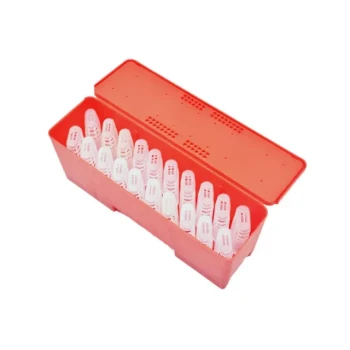
Cardboard nucleus boxes with specialized ventilation are critical engineering controls designed to ensure the survival of bee colonies during the high-risk process of transportation. These containers specifically address the lethal threats of overheating and suffocation by facilitating constant airflow while providing a stabilized physical environment for the bees.
Transporting bees creates a dense metabolic environment where heat and carbon dioxide can accumulate rapidly. The core value of these specialized boxes is their ability to balance precision ventilation with the physical protection of a shock-absorbing, moisture-regulating material.
The Critical Role of Airflow Dynamics
Preventing Carbon Dioxide Toxicity
When confined, a bee colony produces significant amounts of carbon dioxide. Without adequate gas exchange, this buildup can rapidly become fatal.
Precision-engineered ventilation holes ensure a continuous cycle of fresh air enters the container while expelling toxic gases. This mechanism is non-negotiable for keeping the colony alive during transit.
Dissipating Metabolic Heat
Bees generate excess heat when stressed or confined, creating a dangerous thermal spike within a small box.
The ventilation system allows this metabolic heat to escape rather than becoming trapped. This prevents the internal temperature from rising to levels that would kill the colony.
Material Physics and Colony Stress
Stabilizing the Microclimate
Beyond airflow, the material of the container plays an active role in environmental control.
Cardboard possesses natural moisture absorption properties. This helps regulate humidity levels within the box, preventing the dampness that can stress or harm the bees.
Physical Cushioning
Transport involves vibration and movement that can agitate the colony.
The inherent structure of the cardboard provides physical cushioning. This dampens external shocks, creating a calmer environment that minimizes stress on the bees during relocation.
Understanding the Trade-offs
The Consumable Nature of the Container
It is important to recognize that these boxes are designed as consumables, not permanent housing.
While the cardboard creates a "stabilized temporary microclimate," it is not designed for long-term weather resistance. The very feature that aids in moisture absorption can lead to structural weakness if the box is exposed to excessive rain or fluids for extended periods.
Making the Right Choice for Your Goal
To ensure the safe arrival of your colonies, apply these principles to your logistics planning:
- If your primary focus is preventing colony loss: Verify that your ventilation holes are free of obstruction to ensure heat and CO2 can actively dissipate.
- If your primary focus is minimizing colony agitation: Utilize the cardboard material's natural damping qualities to reduce the vibration transfer during vehicle movement.
Properly ventilated cardboard packaging turns a high-risk transport scenario into a manageable, stable environment.
Summary Table:
| Feature | Function | Primary Benefit |
|---|---|---|
| Precision Ventilation | Facilitates gas exchange & heat dissipation | Prevents suffocation and lethal thermal spikes |
| Moisture Absorption | Regulates internal humidity levels | Maintains a dry, stable environment for bees |
| Cardboard Material | Acts as a shock absorber | Minimizes colony stress from transport vibrations |
| Consumable Design | Temporary, lightweight housing | Cost-effective and efficient for one-way transport |
Secure Your Apiary Success with HONESTBEE
Transporting nucleus colonies is a high-stakes operation where the right equipment makes the difference between a thriving colony and total loss. At HONESTBEE, we specialize in supporting commercial apiaries and distributors with high-performance beekeeping tools and machinery.
Whether you need specialized transport solutions, industrial honey-filling machines, or a full spectrum of wholesale consumables, our expert team is here to scale your operations.
Ready to upgrade your beekeeping infrastructure? Contact HONESTBEE today for specialized wholesale solutions
References
- John Colman Wood. The Anthropology of Bees. DOI: 10.1111/anhu.12252
This article is also based on technical information from HonestBee Knowledge Base .
Related Products
- 5 Frame Langstroth Poly Nuc Corrugated Plastic Nuc Boxes
- Automatic Heat Preservation 6 Frame Pro Nuc Box for Honey Bee Queen Mating
- 5 Frame Wooden Nuc Box for Beekeeping
- 4 Frame Plastic Nuc Boxes for Beekeeping Bee Nuc Box
- Steel Round Disc Entrance Reducer for Flexzion Bee Hive Nuc Box Gate
People Also Ask
- How are nuc boxes used in queen rearing? The Essential Tool for Reliable Queen Mating
- What are the options for adding frames to a nuc after taking two frames from the parent colony?
- What are the primary advantages of using standardized Langstroth boxes? Scale Your Commercial Beekeeping Operation
- What are the differences between the three standard depths of Langstroth boxes? Choose the Best Size for Your Apiary
- What role do standardized Langstroth boxes play in commercial apiary management and honey bee research? | HONESTBEE Guide